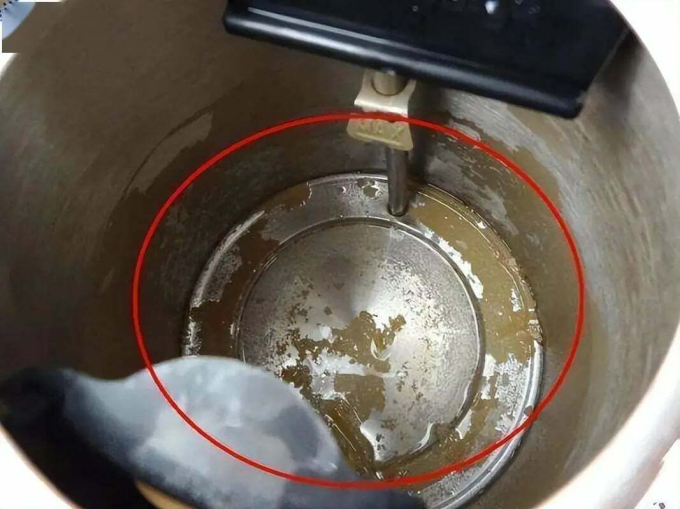
Electric kettles are among the most convenient appliances in modern kitchens. With just the press of a button, you can boil water for tea, coffee, instant noodles, oatmeal, or cooking in a matter of minutes. Because they are so simple to operate, many people assume there is little that can go wrong.
However, daily misuse - even small, seemingly harmless habits - can shorten the kettle’s lifespan, reduce efficiency, affect water quality, and in some cases create safety risks. If you use your electric kettle every day, it may be worth reviewing these four common mistakes.
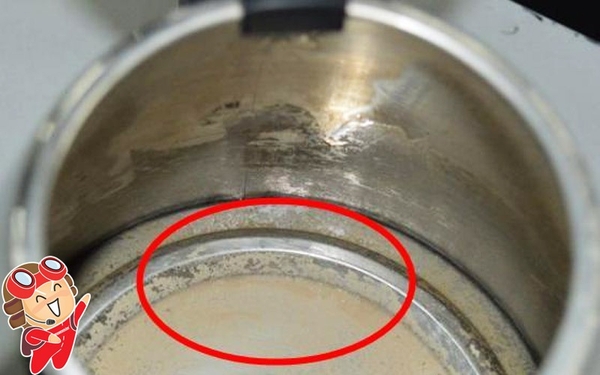
1. Boiling Too Little or Too Much Water
One of the most frequent mistakes is ignoring the minimum and maximum water level markings inside the kettle.
Boiling Too Little Water
When water levels fall below the minimum line, the heating element may become exposed. This can:
-
Overheat internal components
-
Trigger automatic shut-off repeatedly
-
Shorten the lifespan of the heating element
-
Create a potential safety hazard
Even though many modern kettles have dry-boil protection, relying on it frequently can stress the appliance.
Overfilling the Kettle
Filling above the maximum line can cause boiling water to splash out through the spout or lid. This may lead to:
-
Burns
-
Electrical damage
-
Water entering internal components
The solution is simple: always fill between the recommended minimum and maximum levels.
2. Leaving Water Sitting Inside for Long Periods
Many people boil water in the morning and leave the remaining water inside the kettle for hours — or even days — before reheating it.
While this may seem harmless, it can:
-
Increase mineral buildup (limescale)
-
Affect the taste of the water
-
Encourage bacterial growth if left for extended periods
Reboiling the same water repeatedly may also concentrate certain dissolved minerals, particularly in hard-water areas.
For best results:
-
Empty unused water after cooling
-
Refill with fresh water when needed
-
Avoid storing stagnant water inside the kettle
This habit improves both hygiene and taste.
3. Neglecting Regular Descaling
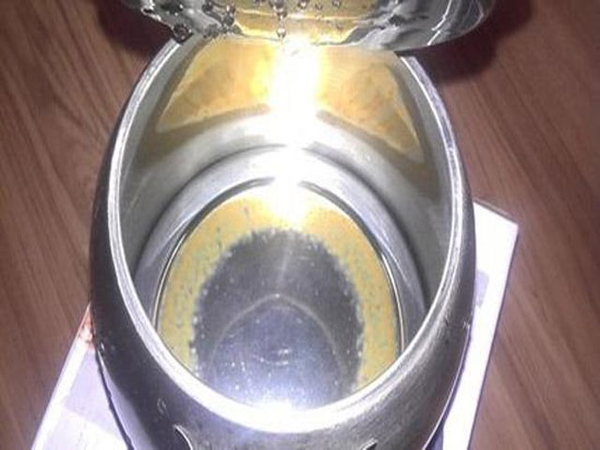
Over time, minerals in tap water — especially calcium and magnesium — accumulate inside the kettle. This white, chalky layer is known as limescale.
If left untreated, limescale can:
-
Reduce heating efficiency
-
Increase boiling time
-
Raise energy consumption
-
Damage the heating element
-
Alter the taste of water
In severe cases, scale buildup can lead to premature failure of the appliance.
How to Prevent It
Descale your kettle regularly, especially if you live in a hard-water area.
Simple method:
-
Fill the kettle halfway with equal parts white vinegar and water.
-
Let it sit for 30–60 minutes.
-
Boil once, then discard the solution.
-
Rinse thoroughly several times.
Alternatively, use a commercial descaling product designed for kettles.
Regular maintenance keeps your kettle running efficiently and safely.
4. Using the Kettle for Non-Water Liquids
Some users attempt to heat milk, soup, or other liquids directly in the kettle for convenience. This is strongly discouraged unless the appliance is specifically designed for such use.
Heating anything other than water can:
-
Leave residue on the heating element
-
Burn and create stubborn stains
-
Damage internal components
-
Produce unpleasant odors
-
Void the warranty
Electric kettles are designed for water only. Using them for other substances significantly increases cleaning difficulty and risk of malfunction.
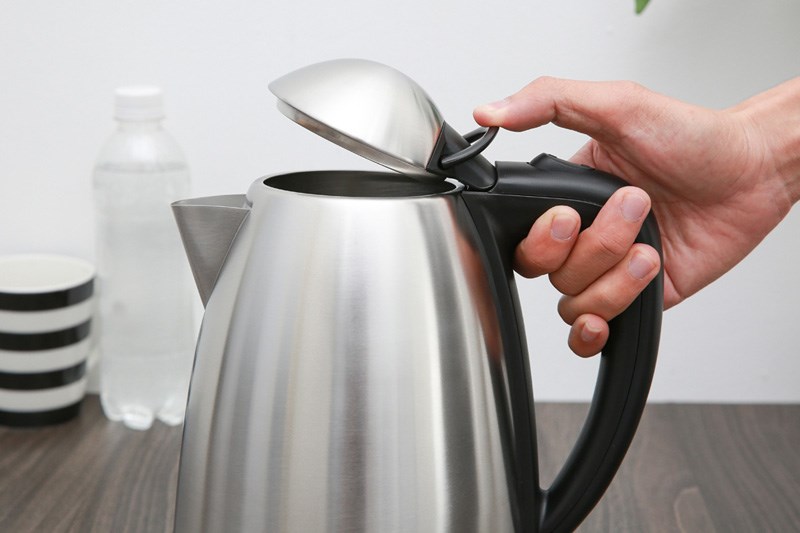
Bonus Mistake: Placing the Kettle on Wet Surfaces
Electric kettles contain heating elements and electrical connections at the base. Placing the kettle on wet countertops or near splashing sinks can increase electrical risk.
Always:
-
Keep the base dry
-
Avoid immersing the kettle in water
-
Wipe spills immediately
Safety should always be the priority.
Why These Mistakes Matter
Because electric kettles are small appliances, many people underestimate their importance. However, consistent misuse can lead to:
-
Reduced appliance lifespan
-
Increased electricity bills
-
Compromised water quality
-
Avoidable safety hazards
The good news is that all of these issues are preventable with small daily adjustments.
Best Practices for Long-Term Use
To ensure your electric kettle remains safe and efficient:
-
Fill within recommended limits
-
Use fresh water each time
-
Descale regularly
-
Keep the appliance dry
-
Use it only for boiling water
By following these habits, you protect both your appliance and your household safety.
Final Thoughts
An electric kettle may seem like one of the simplest appliances in your kitchen, but proper use and maintenance make a significant difference. Small daily mistakes — such as overfilling, neglecting cleaning, or reheating old water can gradually cause damage.
Taking a few moments to check your habits today could help extend the life of your kettle and ensure safe, clean boiling water every time you use it. Sometimes, small corrections prevent bigger problems down the line.