Fish is widely regarded as one of the healthiest sources of protein. Rich in omega-3 fatty acids, vitamins, and essential minerals, it plays an important role in a balanced diet. However, not all fish are created equal. While some varieties offer impressive nutritional benefits, others may pose potential health risks due to contamination, poor farming practices, or high toxin levels.
No matter how attractive the price tag may be, here are six types of fish you should think twice about buying.
1. Fish with Strong Ammonia Smell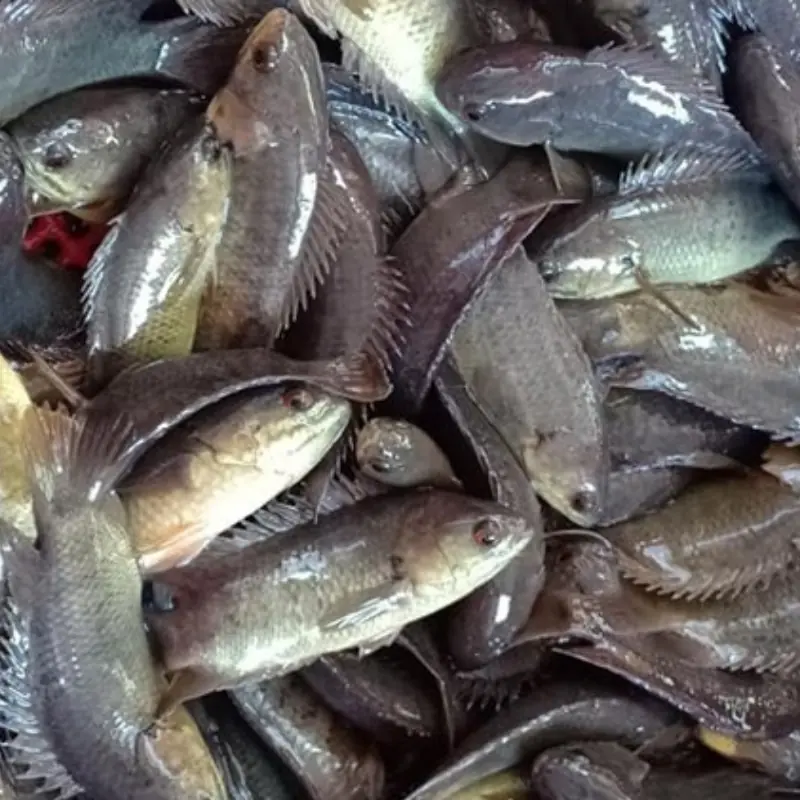
Fresh fish should smell mild and slightly briny, like the ocean. If you notice a strong, sour, or ammonia-like odor, it is a clear warning sign of spoilage. This smell indicates bacterial breakdown and improper storage.
Consuming spoiled fish can cause food poisoning, leading to nausea, vomiting, diarrhea, and abdominal pain. Cheap fish that smells unpleasant is never a bargain — it’s a health risk.
2. Fish with Cloudy Eyes and Dull Skin
When buying whole fish, appearance matters. Fresh fish should have clear, bright eyes and shiny, metallic skin. If the eyes appear cloudy or sunken and the scales look dull or dry, the fish is likely not fresh.
Old fish may contain higher levels of bacteria and degrade quickly. Always inspect visual signs carefully before purchasing.
3. Large Predatory Fish High in Mercury
Certain large fish, such as shark, swordfish, and king mackerel, are known to contain high levels of mercury. Mercury accumulates in larger, longer-living fish through the food chain.
High mercury intake can harm the nervous system, particularly in pregnant women and young children. Even if these fish are offered at a discount, frequent consumption is not advisable. Health experts often recommend choosing smaller fish like sardines or salmon instead.
4. Farmed Fish from Questionable Sources
Not all farmed fish are problematic, but some low-cost options may come from poorly regulated farms. In certain regions, fish farms use antibiotics, chemicals, or overcrowded conditions that can affect both the environment and product quality.
When possible, look for certified or responsibly farmed seafood. Extremely cheap farmed fish without clear sourcing information may not meet safety standards.
5. Fish with Excessive Ice Glaze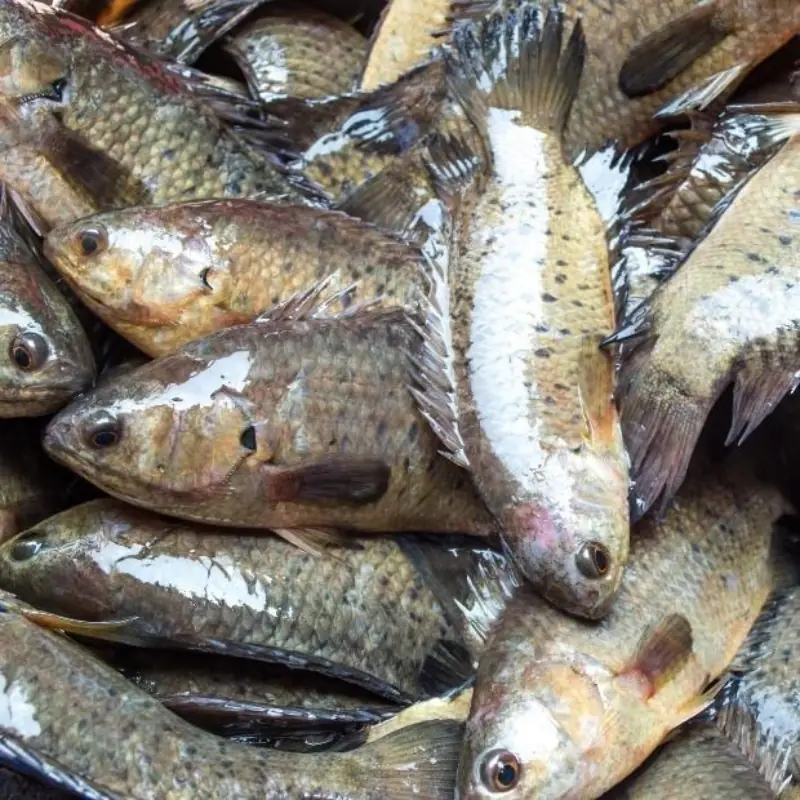
Frozen fish is often coated with a thin layer of ice to prevent freezer burn. However, if the fish is covered with a thick, heavy layer of ice, it may indicate poor quality or intentional weight inflation.
In such cases, you may be paying for ice instead of fish. Additionally, excessive ice can mask signs of freezer damage or prolonged storage.
6. Fish with Unnaturally Bright or Altered Color
Be cautious if fish fillets appear unnaturally bright, overly red, or unusually vibrant. In some cases, chemical treatments or artificial coloring may be used to enhance appearance.
Fresh fish should have natural, consistent coloration without patches, dryness, or discoloration. If the color seems too perfect or artificial, it’s worth asking questions.
Why Cheap Isn’t Always Better
It’s understandable to look for affordable food options, especially when budgets are tight. However, when it comes to seafood, price should not be the only deciding factor. Poor-quality fish can lead to foodborne illness, toxin exposure, and reduced nutritional value.
Medical professionals often emphasize the importance of food safety. Choosing fresh, properly stored, and responsibly sourced fish is far more important than saving a few dollars.
How to Choose Fish Safely
To protect your health, consider these tips:
-
Buy from reputable markets with high turnover.
-
Check for freshness indicators (smell, eyes, skin texture).
-
Ask about sourcing and farming practices.
-
Avoid fish that looks dried out or damaged.
-
Store seafood properly and cook it thoroughly.
By paying attention to these details, you can continue enjoying the benefits of fish without unnecessary risk.