Fatty liver disease is becoming increasingly common worldwide, largely due to changes in diet, sedentary lifestyles, and rising rates of obesity and metabolic disorders. Despite its prevalence, many people are unaware they have it because the condition often develops quietly without noticeable symptoms.
Fatty liver occurs when excess fat accumulates in liver cells. While a small amount of fat in the liver is normal, too much fat can interfere with liver function and potentially lead to inflammation, scarring, and more serious complications over time.
Understanding the risk factors, early symptoms, and available care options is essential for protecting long-term liver health.
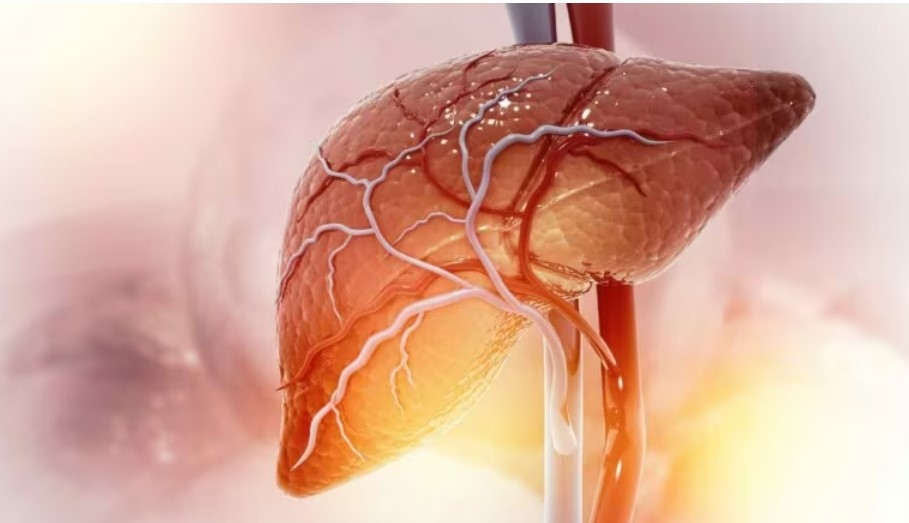
What Is Fatty Liver?
Fatty liver disease is generally divided into two main types:
-
Non-alcoholic fatty liver disease (NAFLD) – Fat buildup not caused by excessive alcohol consumption.
-
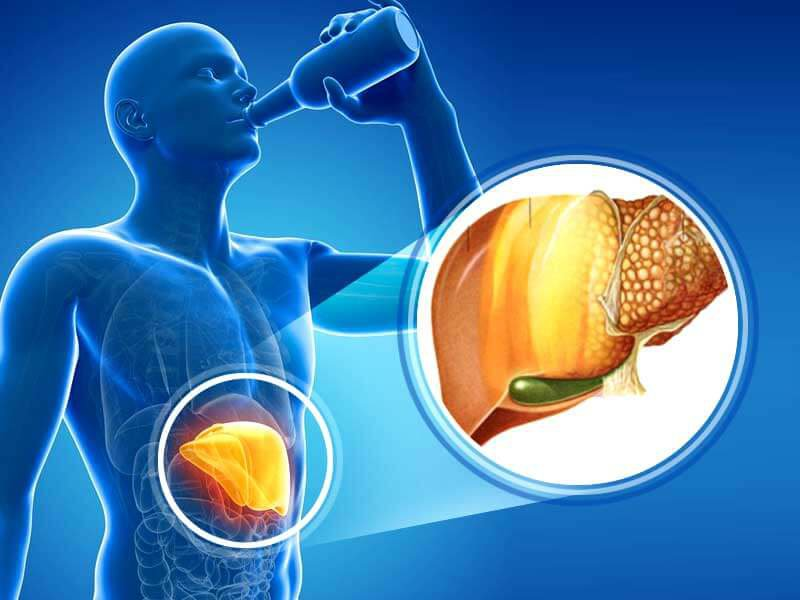
Alcohol-related fatty liver disease (AFLD) – Fat accumulation due to heavy alcohol use.
Non-alcoholic fatty liver disease is now one of the most common liver conditions globally and is strongly associated with metabolic health.
In its early stage, fatty liver may be reversible. However, if left untreated, it can progress to:
-
Non-alcoholic steatohepatitis (NASH)
-
Liver fibrosis
-
Cirrhosis
-
Liver failure
Early recognition and lifestyle changes can significantly reduce progression risk.
Risk Factors for Fatty Liver
Several factors increase the likelihood of developing fatty liver disease.
1. Obesity and Excess Body Weight
Carrying excess body fat — particularly around the abdomen — is one of the strongest risk factors. Visceral fat contributes to fat accumulation in the liver.
2. Insulin Resistance and Type 2 Diabetes
Insulin resistance plays a central role in fat metabolism. When the body becomes resistant to insulin, fat storage in the liver increases.
People with type 2 diabetes are at significantly higher risk of fatty liver disease.
3. High Cholesterol and Triglycerides
Elevated blood lipid levels contribute to fat deposition in liver tissue.
4. Sedentary Lifestyle
Lack of physical activity reduces the body’s ability to burn stored fat efficiently, increasing fat accumulation in the liver.
5. Poor Diet
Diets high in:
-
Processed foods
-
Refined carbohydrates
-
Sugary beverages
-
Saturated fats
increase fatty liver risk.
6. Excessive Alcohol Consumption
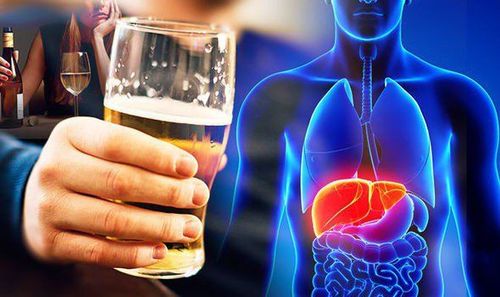
Heavy alcohol intake directly damages liver cells and promotes fat accumulation.
7. Rapid Weight Loss or Malnutrition
Extreme dieting or rapid weight reduction can stress the liver and worsen fat buildup.
Symptoms of Fatty Liver
Fatty liver is often called a “silent condition” because early stages rarely cause clear symptoms.
However, some individuals may experience:
1. Fatigue
Persistent tiredness without a clear cause can be an early sign.
2. Mild Discomfort in the Upper Right Abdomen
Some people report dull or mild pain beneath the right rib cage where the liver is located.
3. Unexplained Weakness
General low energy levels may occur due to metabolic changes.
4. Elevated Liver Enzymes
Often, fatty liver is first detected through routine blood tests showing elevated ALT or AST levels.
As the condition progresses, more serious symptoms may develop, including:
-
Jaundice (yellowing of skin and eyes)
-
Swelling in the abdomen
-
Easy bruising
-
Confusion in advanced cases
These indicate advanced liver damage and require urgent medical care.
How Fatty Liver Is Diagnosed
Diagnosis may involve:
-
Blood tests (liver function tests)
-
Ultrasound imaging
-
CT or MRI scans
-
FibroScan to measure liver stiffness
-
In some cases, liver biopsy
Many cases are discovered incidentally during routine medical exams.
Care and Management Options
There is currently no single medication that completely cures fatty liver disease. However, lifestyle changes are highly effective in early stages.
1. Weight Management
Losing 5–10% of body weight can significantly reduce liver fat and inflammation.
Gradual, sustainable weight loss is recommended over crash dieting.
2. Regular Exercise
Physical activity improves insulin sensitivity and helps burn stored fat.
Aim for at least:
-
150 minutes of moderate exercise per week
-
A combination of cardio and strength training
3. Healthy Diet
Focus on:
-
Vegetables and fruits
-
Whole grains
-
Lean protein sources
-
Healthy fats such as olive oil and nuts
Limit:
-
Sugary drinks
-
Refined carbohydrates
-
Fried and processed foods
-
Excess red meat
A Mediterranean-style diet is often recommended for liver health.
4. Reduce Alcohol Intake
For individuals with fatty liver, limiting or eliminating alcohol is critical.
5. Manage Blood Sugar and Lipids
Controlling diabetes, cholesterol, and triglyceride levels helps reduce liver fat accumulation.
6. Avoid Unnecessary Medications
Some medications can strain the liver. Always consult a healthcare provider before taking long-term medications or supplements.
Can Fatty Liver Be Reversed?
In early stages, fatty liver is often reversible with consistent lifestyle changes. The liver has a remarkable ability to regenerate when damage is mild.
However, once significant scarring (cirrhosis) develops, damage may become permanent.
This is why early detection and proactive management are so important.
Prevention Strategies
To reduce the risk of developing fatty liver:
-
Maintain a healthy body weight
-
Exercise regularly
-
Eat a balanced diet
-
Avoid excessive alcohol
-
Monitor blood sugar and cholesterol
-
Schedule regular health checkups
Small daily habits accumulate over time and significantly influence liver health.
Final Thoughts
Fatty liver disease is common but often preventable and manageable, especially in its early stages. Because symptoms may be subtle or absent, awareness of risk factors is essential.
Understanding how lifestyle influences liver health empowers individuals to make informed decisions. By maintaining a balanced diet, staying active, managing metabolic conditions, and seeking routine medical care, it is possible to protect the liver and prevent long-term complications.
Your liver works continuously to keep your body functioning properly — supporting it through healthy choices is one of the most important investments you can make in your overall well-being.