If You Don’t Unplug These 5 Devices, Your Electricity Bill May Quietly Increase
Many household appliances continue consuming electricity even when turned off. This phenomenon—often called phantom load or standby power consumption—can account for 5–10% of total household energy use.
While each device may use only a small amount individually, the combined effect over months significantly increases electricity bills.
Here are five common household devices that silently draw power when plugged in.

1. Television and Set-Top Boxes
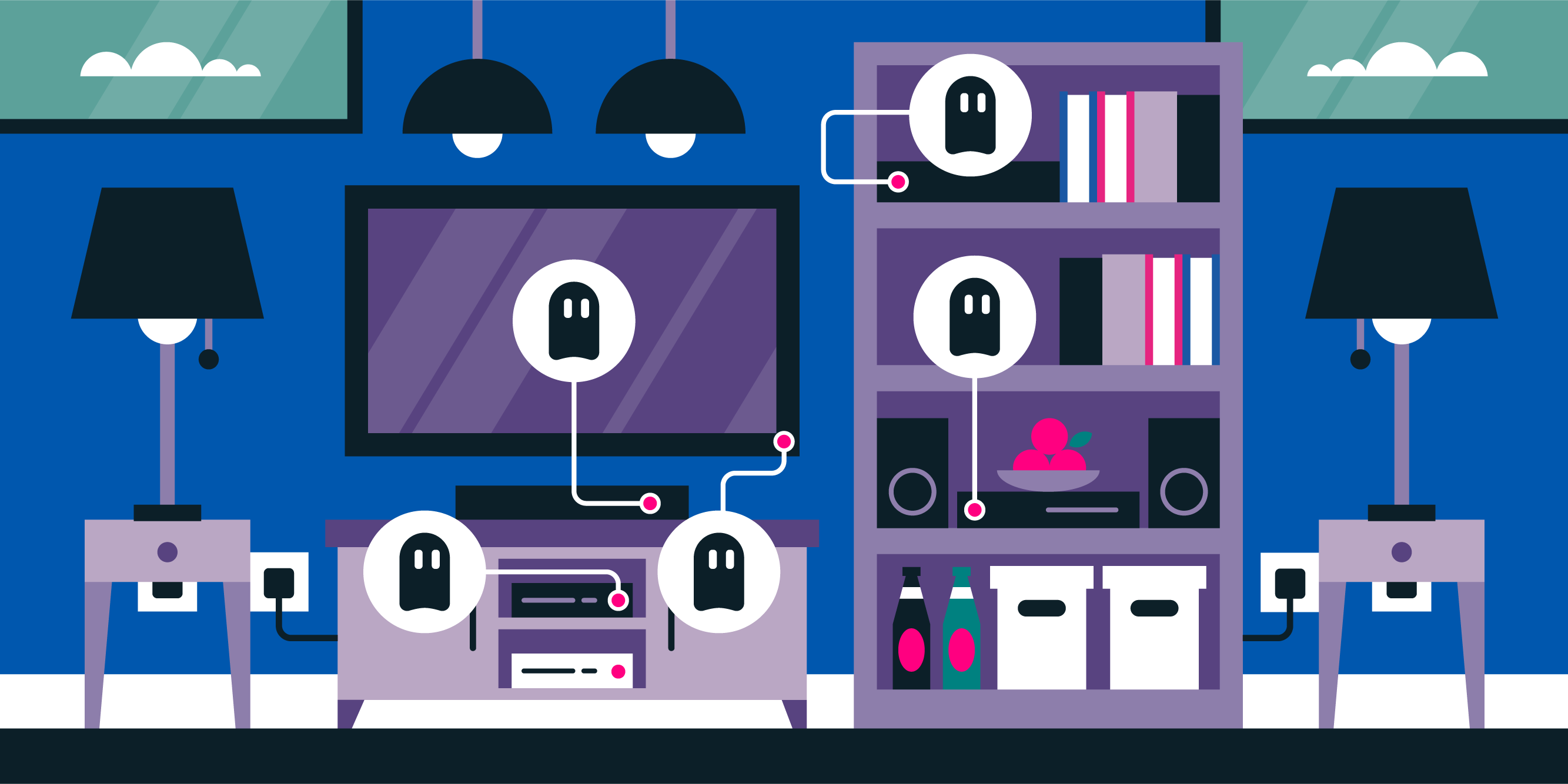
Even when turned off with a remote, televisions and cable boxes remain in standby mode.
They continue consuming energy to:
-
Maintain quick startup capability
-
Download updates
-
Power LED indicators
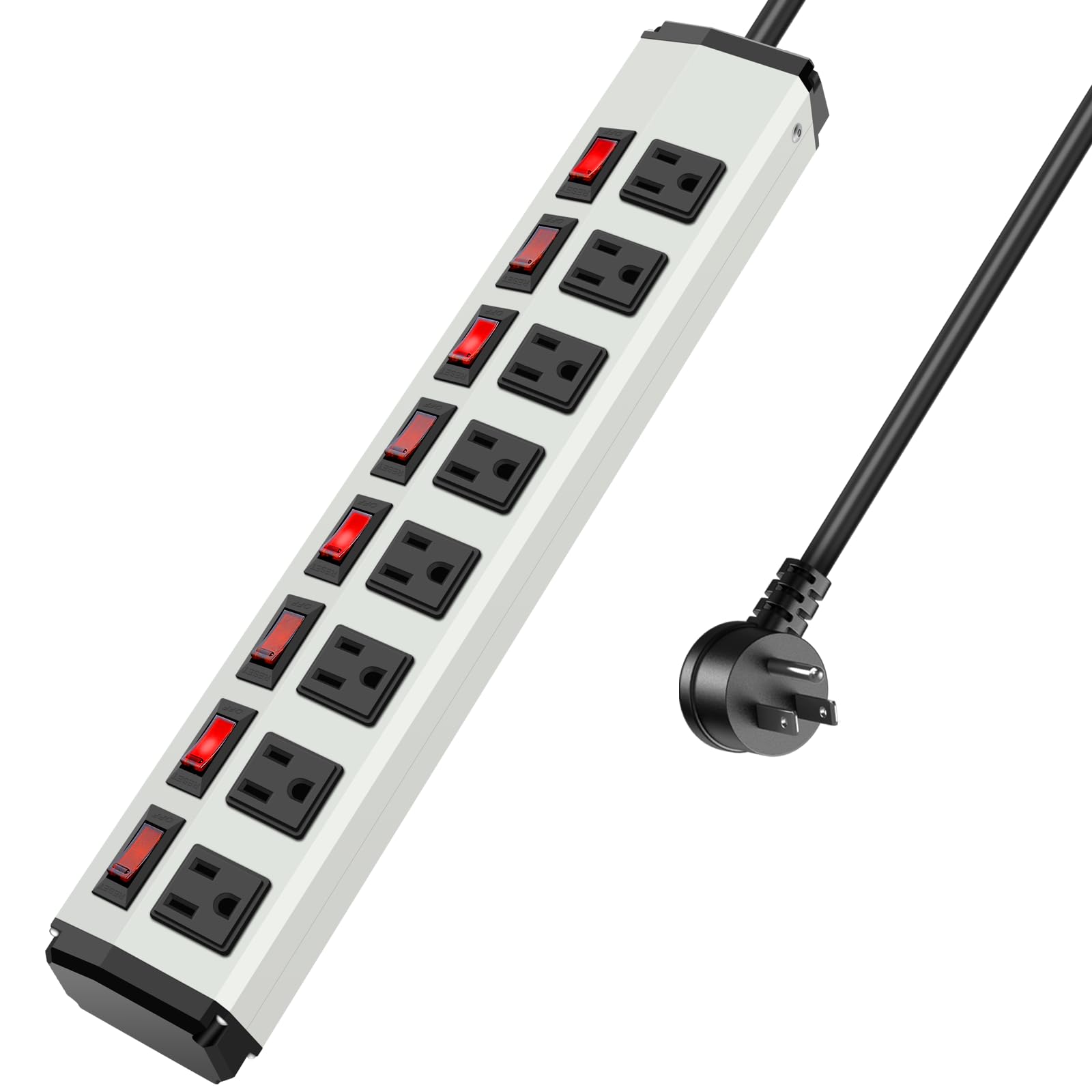
Older plasma TVs and certain cable boxes consume noticeable standby energy. Using a power strip and switching it off completely reduces this waste.
2. Microwave Oven
Microwaves with digital clocks draw continuous power to maintain:
-
The clock display
-
Memory settings
-
Sensor standby functions
While the consumption per hour is low, it operates 24/7. Over time, this adds up.
If unused for extended periods, unplugging or switching off at the socket can reduce energy usage.


3. Phone and Laptop Chargers
Chargers draw electricity even when not connected to devices.
If left plugged in continuously:
-
They generate small heat
-
Consume standby electricity
-
Gradually degrade over time
Unplugging chargers when not in use is a simple way to cut minor but constant consumption.
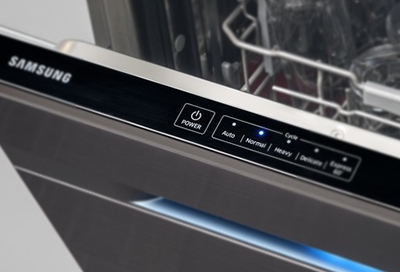
4. Washing Machine and Dishwasher
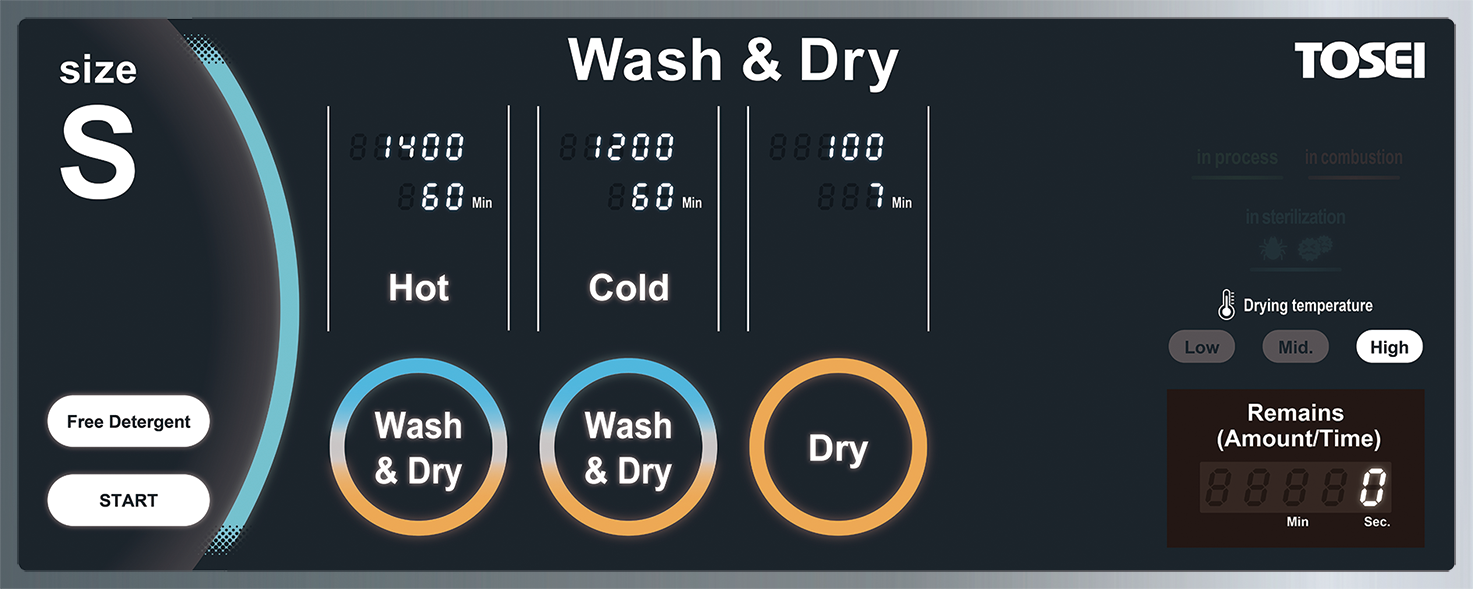
Modern appliances often remain in standby mode to power:
-
Digital displays
-
Touch panels
-
Wi-Fi connectivity
Although the consumption is modest, leaving multiple appliances in standby continuously contributes to unnecessary energy use.
Turning off at the main power source when not in use reduces this load.

5. Gaming Consoles and Computers
Gaming consoles, desktop computers, and routers frequently stay in low-power mode for updates and connectivity.
Certain consoles in standby mode can consume several watts continuously.
Using sleep mode wisely—or fully powering down when unused for long periods—can significantly reduce phantom energy drain.
How Much Can You Save?
Individually, standby devices may consume:
-
1–10 watts per device
-
Running 24 hours a day
-
365 days a year
Across multiple appliances, this may equal several hundred kilowatt-hours annually.
While it may not literally “double” the bill, phantom load can noticeably increase total costs over time.
Practical Solutions
To minimize standby energy use:
-
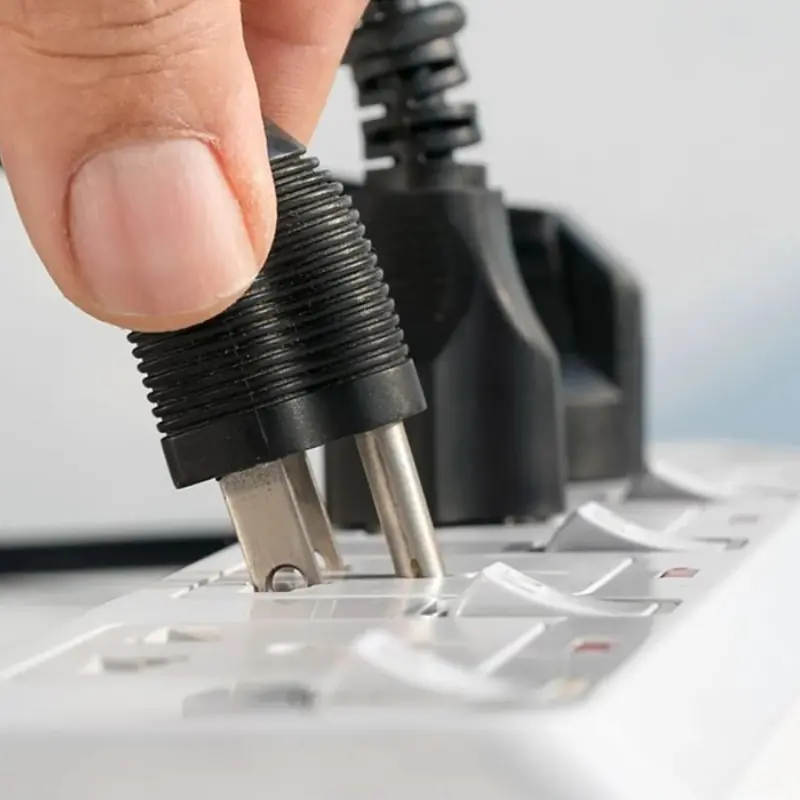
Use power strips with switches
-
Unplug rarely used appliances
-
Invest in smart plugs
-
Disable quick-start features when possible
-
Consolidate electronics to one switchable outlet
Small changes produce measurable savings over months.
Final Thoughts
Electricity waste is often invisible. Devices that appear “off” may still draw power silently.
The five most common culprits include:
-
Televisions and cable boxes
-
Microwaves
-
Chargers
-
Washing machines and dishwashers
-
Gaming consoles and computers
Reducing standby consumption lowers energy bills and extends appliance lifespan. A simple habit—switching off at the outlet—can make a noticeable difference over time.