Sleepwalking is so commonly portrayed in movies and television that it has become a trope buried in misinformation and myths. The Insomnia and Sleep Institute of Arizona diagnoses and treats all sleep disorders including somnambulism, the type of parasomnia commonly referred to as “sleepwalking.”
We are staffed exclusively by sleep specialists and offer unparalleled provider access in an outcome-driven environment. We believe that the best treatment begins with the right diagnosis, which is why your initial consultation, and every visit moving forward, is conducted only with a sleep expert.
Common Signs and Symptoms of Sleepwalking
Sleepwalking features fairly obvious symptoms. The most well-known is getting up and walking around while still asleep, but many patients exhibit other complex actions during these episodes as well
For example, a patient may sit up in bed and look around with their eyes open, often appearing confused. Others may suddenly get out of bed and run, sometimes behaving as if they are trying to escape a nightmare. Importantly, the “walking” component of sleepwalking is not always present and may be accompanied by a wide range of behaviors.
Sleepwalking Realities
Some individuals who sleepwalk might also talk, mumble, or yell during episodes (1). Many have their eyes open during these events, and display what is often described as a “glassy” stare. To observers, the sleepwalker may appear to be looking through them rather than at them.
Sleepwalkers may also attempt routine daily activities during these episodes, sometimes in inappropriate or unsafe ways. For instance, they may urinate in a trash can, attempt to climb out of a window, or engage in other behaviors that pose serious risk. In some cases, sleepwalking behaviors can become aggressive or violent, placing the individual and others in danger
Although rare, documented cases exist in which sleepwalkers have entered vehicles and attempted to drive. Episodes may also involve inappropriate or unwanted sexual behaviors, or eating during sleep.
If you live with a sleepwalker, you may notice how difficult it is to wake them up. When they do awaken, they are often confused and disoriented. They might recall snapshots of what happened, but oftentimes they don’t remember anything they did while sleepwalking.
Across many cultures, sleepwalking has historically been viewed as mysterious or supernatural. European historical records show that in medieval and early modern England, somnambulism was often attributed to divine or diabolical forces rather than involuntary neurological processes .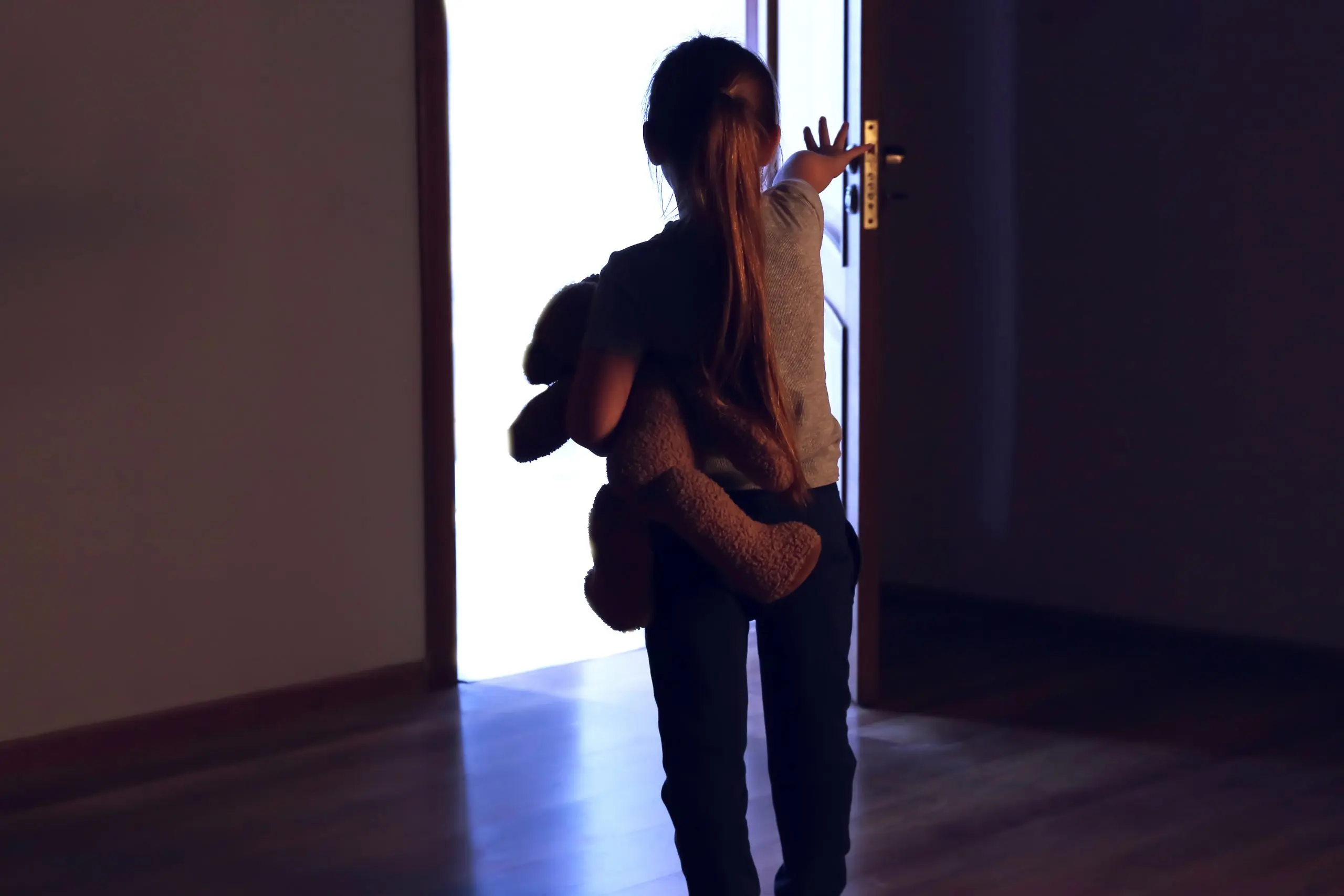
Why Sleepwalking Happens During Deep Sleep
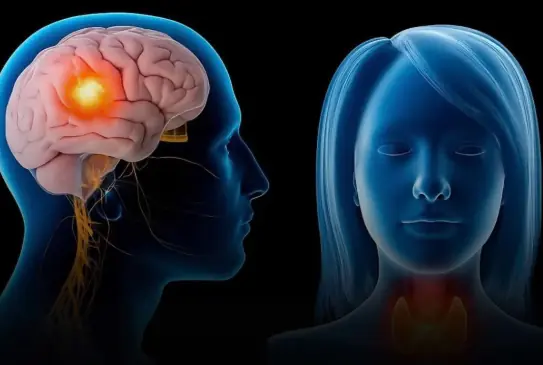
Sleepwalking typically occurs during slow-wave sleep, which is the deepest stage of non-REM sleep . This stage is responsible for physical restoration, memory consolidation, and immune system functioning.
When the brain partially awakens during this phase, the body may move while consciousness remains impaired. This disconnect explains why sleepwalking behaviors can appear purposeful even though the individual is not fully awake and typically has no memory of the event.
Because slow-wave sleep occurs most frequently in the first third of the night, sleepwalking episodes usually happen earlier in the sleep period rather than toward morning.
The Dangers of Sleepwalking
At a surface level, the dangers of sleepwalking may seem obvious, particularly when individuals become agitated or confused if awakened. However, it is important not to overlook the subtler risks of sleepwalking. Sleepwalking typically occurs in the first third of a night’s sleep, during the slow-wave cycle .
As a result, individuals who sleepwalk may not achieve the quality or continuity of sleep they need, even if they believe they slept through the night. Similar to insomnia, sleep apnea, and other sleep disorders, this disruption can lead to ongoing consequences.
Daytime fatigue, behavior problems in children, learning struggles, and a reducedquality of life may all be side effects of a sleep disorder like sleepwalking . Chronic poor sleep has also been linked to a number of co-morbidities such as strokes and heart disease
Public figures from Jennifer Aniston to Jimmy Kimmel have spoken openly about their struggles with sleep-related issues, helping to strip away the stigma and show that anyone, regardless of success, can be affected by the brain’s “nightly glitches.”
When Sleepwalking Becomes a Safety Concern
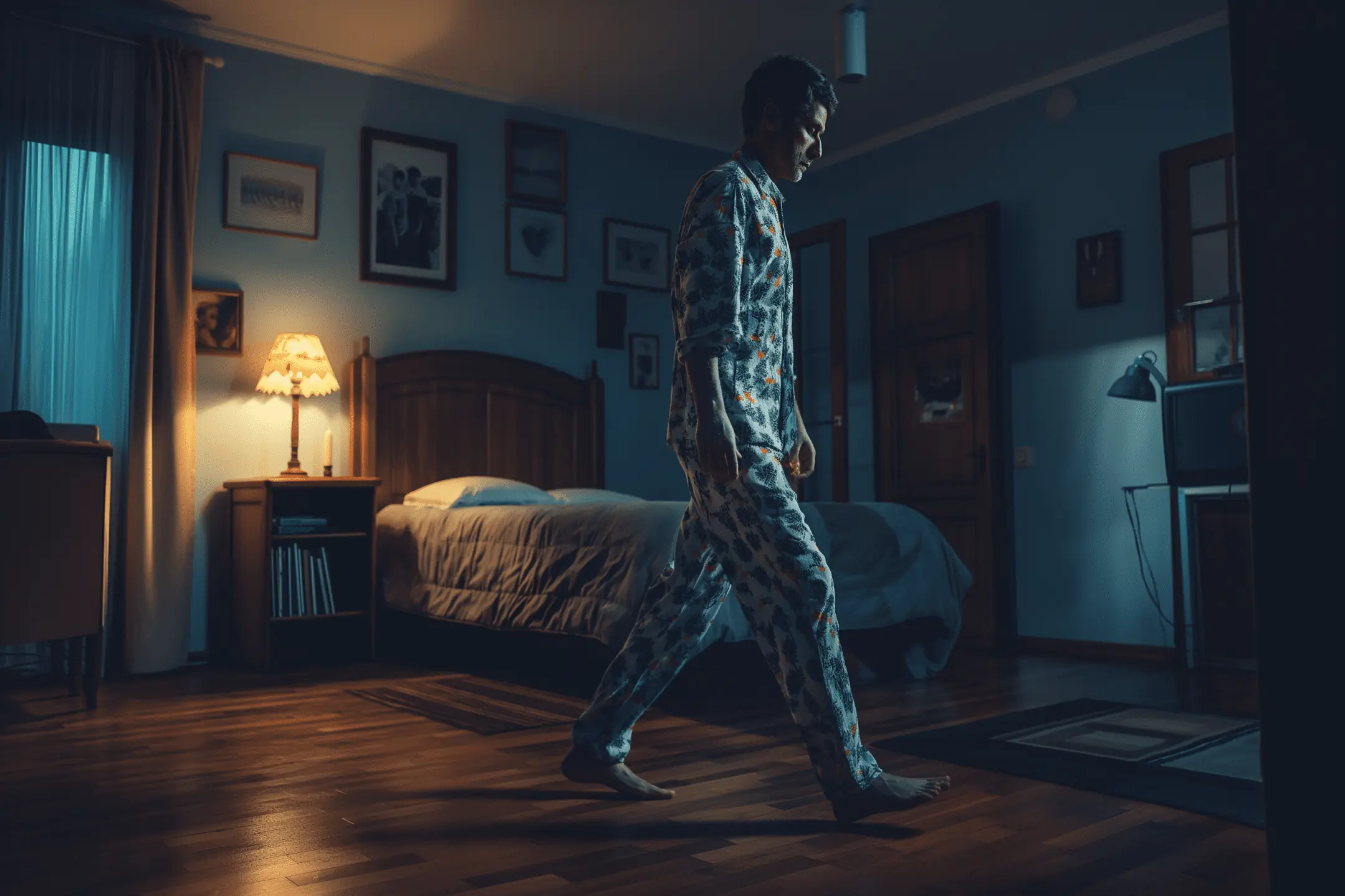
Sleepwalking becomes especially concerning when episodes involve stairs, doors, windows, sharp objects, or attempts to leave the home. Individuals may unknowingly place themselves in dangerous situations without the ability to react appropriately.
For children, frequent sleepwalking may interfere with emotional development, academic performance, and daytime behavior. In adults, untreated episodes can impair work performance, strain relationships, and negatively effect overall health.
The Role of Genetics in Sleepwalking
Research indicates that sleepwalking often runs in families . Individuals with a parent or sibling who has experienced sleepwalking are more likely to experience it themselves.
Genetics may influence how the brain transitions between sleep stages, particularly slow-wave sleep, where sleepwalking occurs. While genetics alone do not cause sleepwalking, they may increase susceptibility when combined with triggers such as sleep deprivation, stress, or illness.

Factors That Can Trigger or Worsen Sleepwalking
Several internal and external factors may increase the frequency or intensity of sleepwalking episodes , including:
- Sleep deprivation or irregular sleep schedules
- Emotional stress or anxiety
- Fever or illness, especially in children
- Certain medications, including sedatives or antidepressants
- Alcohol use
- Disrupted sleep environments
Identifying and managing these triggers can significantly reduce episodes for many individuals.
Treatment for Sleepwalking
Accurate diagnosis is the first step, and treatment(s) for any parasomnia event will be customized to the patient . It’s a common misconception that sleepwalking is a harmless or “normal” part of childhood.While some children do outgrow it, this does not reduce the immediate safety risks or address sleep disruption during critical developmental periods.
Adults who sleepwalk are also a risk to themselves and others. Cognitive behavioral therapy for insomnia (CBT-I), a change in sleep hygiene practices, and addressing any potential underlying issues are all key approaches that may be taken to help with sleepwalking . No two treatment plans are identical because addressing sleepwalking or any sleep disorder should be individualized to each patient.
When to Seek Professional Evaluation
You should consider a professional sleep evaluation if sleepwalking:
- Occurs frequently or worsens over time
- Leads to injury or unsafe behavior
- Causes daytime fatigue or cognitive changes
- Persists into adolescence or adulthood
- Occurs alongside snoring, breathing pauses, or other sleep disruptions
Early diagnosis can prevent complications and improve long-term sleep health.
Expert Sleep Care at The Insomnia and Sleep Institute of Arizona
At The Insomnia and Sleep Institute of Arizona, we evaluate and treat patients as young as two years old for parasomnias and all other sleep disorders. Our expert team is committed to providing accurate diagnoses and individualized treatment plans.Call us today at (480) 745-3547 to schedule your consultation or connect with us by completing the online form.
Frequently Asked Questions About Sleepwalking
Is it dangerous to wake someone who is sleepwalking?
Waking a sleepwalker can cause confusion or agitation, but it is not dangerous. However, gently guiding them back to bed is often the safest approach
Can stress cause sleepwalking?
Yes. Stress can increase sleep fragmentation, making sleepwalking episodes more likely
Is sleepwalking linked to other sleep disorders?
Yes. Sleepwalking may coexist with other sleep conditions
References
- phenomenon of combined sleep and wakefulness. (2003, June 19). Wikipedia.org; Wikimedia Foundation, Inc. https://en.wikipedia.org/wiki/Sleepwalking
- Chan, N. Y., Au, C. T., Li, S. X., & Wing, Y. K. (2022). Sleep Complaints Among School Children. Sleep Medicine Clinics, 17(1), 53–65. https://doi.org/10.1016/j.jsmc.2021.10.003
- Fariba, K. A., & Prasanna Tadi. (2023, July 17). Parasomnias in Adults. Nih.gov; StatPearls Publishing. https://www.ncbi.nlm.nih.gov/books/NBK560524/
- Kingshott, R. (2013, February 28). Sleepwalking Causes & the Dangers of Sleepwalking in Adults. American Academy of Sleep Medicine – Association for Sleep Clinicians and Researchers. https://aasm.org/adult-sleepwalking-is-serious-condition-that-impacts-health-related-quality-of-life/
- Hosokawa, R., Tomozawa, R., Fujimoto, M., Anzai, S., Sato, M., Tazoe, H., & Katsura, T. (2022). Association between sleep habits and behavioral problems in early adolescence: a descriptive study. BMC Psychology, 10(1). https://doi.org/10.1186/s40359-022-00958-7
- Jaspan, V. N., Greenberg, G. S., Parihar, S., Park, C. M., Somers, V. K., Shapiro, M. D., Lavie, C. J., Virani, S. S., & Slipczuk, L. (2024). The Role of Sleep in Cardiovascular Disease. Current Atherosclerosis Reports, 26(7), 249–262. https://doi.org/10.1007/s11883-024-01207-5
- Cele|bitchy | Jennifer Aniston discusses her decades-long struggles with insomnia & sleep anxiety. (2022). Celebitchy.com. https://www.celebitchy.com/762848/jennifer_aniston_discusses_her_decades-long_struggles_with_insomnia_sleep_anxiety
- Share, C. (2024, November 14). Our Mental Health. Our Mental Health. https://www.ourmental.health/stars-struggles/10-celebrities-whove-battled-insomnia-sleepless-nights-revealed
- Chiba, Y., Phillips, O. R., Shinichi Takenoshita, Ollila, H. M., Hallmayer, J. F., Nishino, S., & Singh, M. K. (2021). Genetic and demographic predisposing factors associated with pediatric sleepwalking in the Philadelphia Neurodevelopmental Cohort. Journal of the Neurological Sciences, 430, 119997–119997. https://doi.org/10.1016/j.jns.2021.119997
- Pressman, M. R. (2007). Factors that predispose, prime and precipitate NREM parasomnias in adults: Clinical and forensic implications. Sleep Medicine Reviews, 11(1), 5–30. https://doi.org/10.1016/j.smrv.2006.06.003
- Fariba, K. A., & Prasanna Tadi. (2023, July 17). Parasomnias in Adults. Nih.gov; StatPearls Publishing. https://www.ncbi.nlm.nih.gov/books/NBK560524/
- Rossman, J. (2019). Cognitive-Behavioral Therapy for Insomnia: An Effective and Underutilized Treatment for Insomnia. American Journal of Lifestyle Medicine, 13(6), 544–547. https://doi.org/10.1177/1559827619867677
- Meurling, I. J., Leschziner, G., & Drakatos, P. (2022). What respiratory physicians should know about parasomnias. Breathe, 18(3), 220067. https://doi.org/10.1183/20734735.0067-2022
- MD, A. (2025, July). Sleepwalking: Background, Etiology, Pathophysiology. Medscape.com; Medscape. https://emedicine.medscape.com/article/1188854-overview
- Zergham, A. S., & Chauhan, Z. (2023, January 9). Somnambulism. Nih.gov; StatPearls Publishing. https://www.ncbi.nlm.nih.gov/books/NBK559001/