Bone health is often associated with calcium supplements, milk consumption, and weight-bearing exercise. Yet what many people overlook is that certain everyday beverages — consumed casually and consistently — may gradually influence bone strength over time.
These drinks are not “poison” in the dramatic sense. They are legal, widely available, and commonly enjoyed. However, when consumed excessively and without nutritional balance, some beverages may interfere with calcium absorption, bone remodeling, and overall skeletal integrity.
Understanding how this happens can help you make informed, balanced choices.

Why Bone Health Matters More Than You Think
Bones are living tissues. They constantly undergo a process called remodeling, where old bone is broken down and new bone is formed. This balance depends on:
-
Adequate calcium intake
-
Vitamin D levels
-
Hormonal regulation
-
Physical activity
-
Nutritional quality
When the balance shifts — due to nutrient deficiencies or harmful lifestyle habits — bones may gradually lose density. Over time, this increases the risk of fractures and osteoporosis.
Now let’s examine beverages that may influence this process.
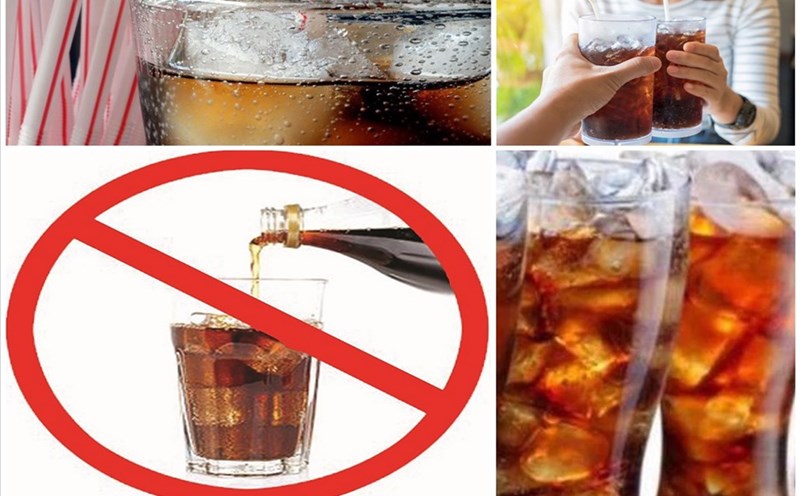
1. Cola and Carbonated Soft Drinks
Cola-based soft drinks have been frequently discussed in relation to bone health.
Why?
Cola contains:
-
Phosphoric acid
-
Caffeine (in many formulations)
-
High amounts of added sugar
Excessive phosphoric acid may disrupt the calcium-phosphorus balance in the body. When phosphorus intake is disproportionately high compared to calcium, the body may draw calcium from bones to restore balance.
Additionally, frequent soda consumption may displace healthier drinks such as milk or fortified alternatives, leading to lower calcium intake overall.
Research Observations
Some observational studies have linked high cola consumption with lower bone mineral density, particularly in women. However, the mechanism appears to be related more to dietary imbalance and displacement of calcium-rich beverages rather than carbonation itself.
Sparkling water without phosphoric acid does not appear to have the same effect.
2. Excessive Caffeinated Drinks
Coffee and tea are widely consumed and, in moderate amounts, generally safe. However, excessive caffeine intake may:
-
Increase calcium excretion through urine
-
Slightly reduce calcium absorption
The effect is modest and typically not harmful if calcium intake is adequate. Problems arise when high caffeine consumption combines with low dietary calcium.
For most adults, moderate coffee consumption (1–3 cups daily) does not significantly impact bone health when nutritional intake is balanced.
3. Alcohol
Alcohol has a clearer and more direct effect on bone health when consumed excessively.
Chronic heavy drinking may:
-
Interfere with vitamin D metabolism
-
Reduce calcium absorption
-
Impair bone-forming cells (osteoblasts)
-
Increase fracture risk
Moderate alcohol intake may not cause significant harm, but long-term heavy consumption is associated with decreased bone density.

4. Sugary Beverages
High-sugar drinks — including sweetened teas, flavored juices, and energy drinks — may indirectly affect bone health.
Excess sugar intake is associated with:
-
Increased inflammation
-
Reduced nutrient density in the overall diet
-
Potential metabolic disturbances
When sugary beverages replace nutrient-rich foods and drinks, overall calcium and vitamin D intake may decline.
The issue is often not the drink alone, but the dietary pattern it encourages.
What Actually Damages Bones?
It is important to avoid oversimplification. Bone weakening typically results from:
-
Chronic calcium deficiency
-
Vitamin D insufficiency
-
Sedentary lifestyle
-
Hormonal changes (especially menopause)
-
Smoking
-
Excessive alcohol use
Beverages contribute primarily when they are consumed in excess and replace healthier nutritional choices.

How to Protect Your Bones While Still Enjoying Your Favorite Drinks
Complete elimination is rarely necessary. Balance is key.
Practical Tips:
-
Ensure adequate daily calcium intake (1,000–1,200 mg for most adults)
-
Maintain sufficient vitamin D levels
-
Limit excessive soda and energy drinks
-
Moderate caffeine intake
-
Avoid heavy alcohol use
-
Engage in weight-bearing exercise
Hydration from water, milk, fortified plant-based beverages, and balanced diets helps support bone remodeling.
The Bigger Picture
No single beverage “destroys” bones overnight. The effects are gradual and cumulative. The real risk lies in long-term imbalance — excessive intake combined with inadequate nutrition and physical inactivity.
Bone health is built over decades. Small daily habits matter.
Being mindful of beverage choices is not about fear — it is about awareness.
Final Thoughts
Certain widely consumed beverages may influence bone health when consumed excessively, particularly if they contribute to poor dietary balance. Cola drinks with phosphoric acid, high caffeine intake, heavy alcohol use, and sugary beverages are the primary concerns.
However, moderation, adequate calcium intake, and regular exercise significantly reduce potential risk.
Your bones are living structures that respond to how you nourish and move your body. Protecting them does not require drastic restriction — just consistent, informed choices.