
What changes will occur in the body if you eat instant noodles continuously for a month?
Eating Instant Noodles Every Day for a Month — A Wake-Up Call for Your Health
Wild violets are often dismissed as delicate little flowers that quietly bloom in meadows, gardens, and forest edges. Their soft purple petals and heart-shaped leaves make them easy to admire — but rarely do people recognize their deeper value. For centuries, wild violets have been used in traditional herbal medicine and seasonal diets, valued not only for their beauty but also for their nutritional and therapeutic properties.
Today, as interest in natural wellness continues to grow, wild violets are being rediscovered as a gentle yet surprisingly powerful plant. Though small and understated, they contain compounds that may support immune health, skin vitality, respiratory comfort, and overall well-being.
Let’s take a closer look at why wild violets deserve more attention.

Wild violets (commonly from the Viola genus, such as Viola odorata or Viola sororia) are low-growing perennial plants found across Europe, North America, and parts of Asia. They typically bloom in early spring and thrive in partially shaded areas.
Both the flowers and leaves are edible when properly identified and harvested from pesticide-free areas. Historically, herbalists used wild violets in teas, syrups, poultices, and infusions.
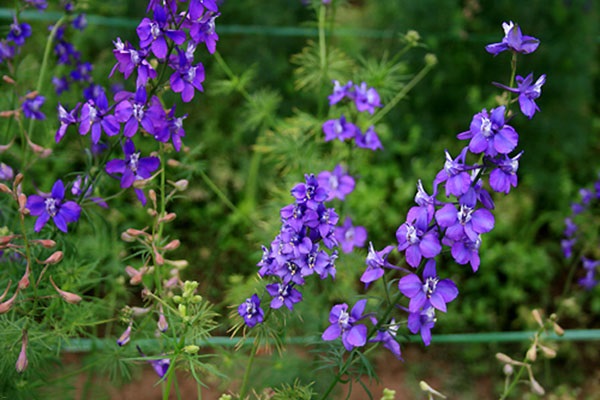
One of the most notable features of wild violets is their antioxidant content. The deep purple color of the petals comes from anthocyanins — plant pigments known for their protective properties.
Antioxidants help:
Neutralize free radicals
Reduce oxidative stress
Support cellular health
Protect tissues from environmental damage
Regular intake of antioxidant-rich plants may contribute to long-term wellness by supporting healthy aging processes.
Wild violet leaves are a surprisingly good source of vitamin C, an essential nutrient involved in:
Immune function
Collagen production
Wound healing
Skin health
Iron absorption
In early spring, when fresh vegetables were historically scarce, wild violets provided an important nutritional boost after winter.
Traditional herbal practices have long used wild violets for their mild anti-inflammatory effects. The plant contains salicylic acid compounds — related to the active component found in aspirin — which may help soothe minor discomfort.
While wild violets are not a substitute for medication, they have historically been used to:
Ease mild joint discomfort
Calm irritated skin
Support overall inflammatory balance
Their effects are considered gentle rather than aggressive.
In traditional herbal medicine, violet syrup was often used to soothe coughs and throat irritation. The plant’s mucilage content — a gel-like substance — may coat and calm irritated mucous membranes.
Potential respiratory benefits include:
Soothing dry coughs
Easing mild throat irritation
Supporting comfortable breathing
Violet preparations were commonly used during seasonal transitions when respiratory discomfort was more common.
Wild violets have also been applied topically. Their cooling and soothing qualities made them popular in herbal salves and compresses.
When used externally, they may:
Soothe minor skin irritations
Calm redness
Support healing of small wounds
The presence of flavonoids and mild anti-inflammatory compounds contributes to these effects.
Some traditional herbal systems consider wild violets to be supportive of the lymphatic system — the body’s network responsible for fluid balance and immune defense.
Though modern research is still limited in this area, herbalists historically used violet preparations to promote healthy fluid movement and reduce mild swelling.
Again, these effects are supportive and subtle, not dramatic.
If properly identified and harvested from safe areas, wild violets can be incorporated in several ways:
Steep fresh or dried leaves and flowers in hot water for 10–15 minutes. This creates a mild, earthy tea.
Flowers can be infused in hot water and combined with honey to create a traditional soothing syrup.
Young leaves and petals can be added fresh to salads for color and mild flavor.
Leaves and flowers can be infused into oil for topical use.
Proper plant identification is essential before consumption.
![Ý Nghĩa - Đặc Điểm - Truyền Thuyết về Hoa Violet [CHI TIẾT]](https://cafebiz.cafebizcdn.vn/162123310254002176/2024/2/9/dac-diem-hoa-violet-1707189105046-1707189105170518420371-1707485686990-1707485687372481114025.jpg)
Wild violets are generally considered safe when properly identified. However:
Avoid harvesting from roadsides or chemically treated lawns.
Ensure accurate identification, as some plants may resemble violets.
Introduce gradually to monitor tolerance.
Consult a healthcare professional if pregnant, breastfeeding, or managing medical conditions.
Natural does not always mean risk-free, and moderation remains important.
In a world filled with expensive supplements and exotic superfoods, wild violets remind us that valuable plants often grow quietly at our feet. Their nutritional density, antioxidant content, and gentle therapeutic qualities highlight the richness of traditional botanical knowledge.
They are not miracle cures. They do not replace medical care. But as part of a balanced lifestyle, wild violets offer a connection to seasonal eating, herbal tradition, and simple nourishment.
Wild violets may appear delicate and decorative, but they carry centuries of traditional use and meaningful nutritional value. From antioxidant protection and immune support to skin soothing and respiratory comfort, this modest plant offers subtle yet valuable benefits.
Sometimes, the most powerful natural allies are not the loudest or most advertised — but the ones quietly blooming in the background.
Eating Instant Noodles Every Day for a Month — A Wake-Up Call for Your Health

New findings point to a possible developmental pathway related to au.tism

What Really Happens When You Eat a Banana Before Bed According to Doctors

One Key Tip for Choosing Cabbage: Guaranteed Crunchy and Sweet Flavor

From Root to Table: The Health Benefits of Cassava and How to Prepare It Safely

asil is one of the most beloved and versatile aromatic herbs in the natural world — and beyond its distinctive flavor, its leaves hide remarkable medicinal power 🌸.

Boiled eggs have been a dietary staple for centuries, valued for their simplicity, affordability, and impressive nutritional profile.

A common daily drink that may negatively affect your bone health

The Importance of Beans in Controlling Diabetes.
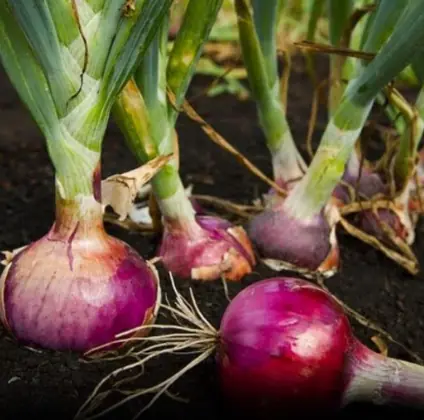
Onions are among the most widely consumed vegetables in the world and appear in countless cuisines across cultures.

Your Guide to Head & Neck Canc3r: What Raises Your Risk, What Symptoms to Watch For, and How to Stay Safe

The process of salivation is controlled by the autonomic nervous system, so the process of salivation is involuntary, like the heartbeat.

The best times of day to eat sweet potatoes for maximum nutritional impact

5 Silent Night Symptoms That May Indicate Kidney Dam:age
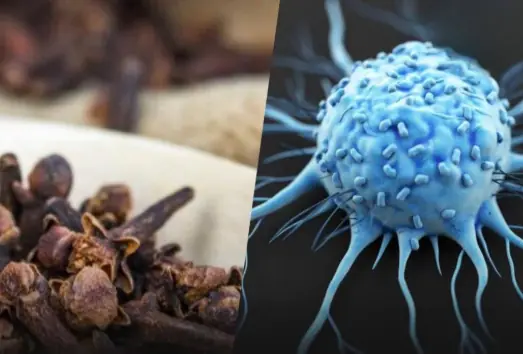
Clove (Syzygium aromaticum) is a widely used spice known for its rich aroma and medicinal properties.

If you can hear your heartbeat when resting, doctors advise paying attention to it
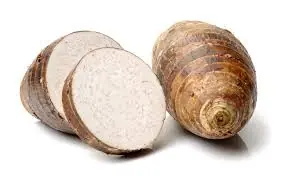
7 Reasons Taro Root Is a Powerful Addition to Your Diet
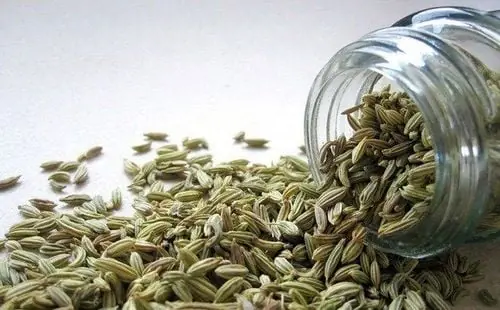
Dill Seeds: A Traditional Remedy for Gut Comfort, Hormone Support, and Restful Nights

Allergies and Ear Pain: Causes, Symptoms, and How to Find Relief
Eating Instant Noodles Every Day for a Month — A Wake-Up Call for Your Health
New findings point to a possible developmental pathway related to au.tism
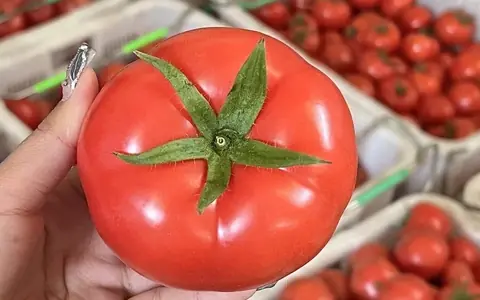
A Guide to Picking the Best-Tasting Tomatoes
What Really Happens When You Eat a Banana Before Bed According to Doctors
One Key Tip for Choosing Cabbage: Guaranteed Crunchy and Sweet Flavor
From Root to Table: The Health Benefits of Cassava and How to Prepare It Safely
asil is one of the most beloved and versatile aromatic herbs in the natural world — and beyond its distinctive flavor, its leaves hide remarkable medicinal power 🌸.
Boiled eggs have been a dietary staple for centuries, valued for their simplicity, affordability, and impressive nutritional profile.
A common daily drink that may negatively affect your bone health
The Importance of Beans in Controlling Diabetes.
Onions are among the most widely consumed vegetables in the world and appear in countless cuisines across cultures.
Your Guide to Head & Neck Canc3r: What Raises Your Risk, What Symptoms to Watch For, and How to Stay Safe

The Truth about Sleepwalking

The surprising reasons why your cat loves sleeping in your bed
The process of salivation is controlled by the autonomic nervous system, so the process of salivation is involuntary, like the heartbeat.
The best times of day to eat sweet potatoes for maximum nutritional impact
5 Silent Night Symptoms That May Indicate Kidney Dam:age
Clove (Syzygium aromaticum) is a widely used spice known for its rich aroma and medicinal properties.
If you can hear your heartbeat when resting, doctors advise paying attention to it