Kidney damage doesn’t always announce itself with obvious pain or dramatic symptoms. In fact, early or moderate kidney problems often show up in subtle, unexpected ways — and many of them become more noticeable at night, when the body is at rest and distractions are gone.
Because the kidneys work continuously to filter blood, regulate fluids, and balance electrolytes, changes in kidney function can affect sleep, circulation, and nerve signals after dark. These nighttime symptoms are easy to dismiss as stress, aging, or poor sleep habits, but when they persist, they may deserve closer attention.
Here are five unusual nighttime symptoms that may be linked to kidney damage.
1. Frequent Urination at Night (Nocturia)
Waking up once in a while to use the bathroom is normal. However, frequently waking multiple times each night to urinate can be an early sign that the kidneys are not concentrating urine effectively.
Healthy kidneys reduce urine production at night. When kidney function declines, this regulation weakens, leading to increased nighttime urine output.
Warning signs include:
-
Waking up two or more times every night to urinate
-
Producing large amounts of pale urine at night
-
Feeling unrested despite adequate sleep time
This symptom is often mistaken for aging, but persistent nocturia should not be ignored.

2. Restless Legs or Leg Discomfort at Night
Many people experience uncomfortable sensations in the legs at night — tingling, aching, crawling feelings, or an uncontrollable urge to move them. This is sometimes linked to electrolyte imbalances caused by impaired kidney function.
When kidneys struggle to balance minerals like calcium, phosphorus, and potassium, nerve signaling can become disrupted, especially during rest.
Signs to watch for:
-
Symptoms worsen when lying down
-
Temporary relief with movement
-
Difficulty falling or staying asleep
While restless legs syndrome has many causes, kidney-related imbalance is one that often goes overlooked.
3. Nighttime Itching Without a Rash
Persistent itching that becomes worse at night — especially without visible skin irritation — can be associated with kidney damage. As kidney function declines, waste products may build up in the bloodstream, irritating nerve endings in the skin.
This type of itching:
-
Feels deep and difficult to relieve
-
Often affects the back, arms, or legs
-
Does not improve much with moisturizers
-
Disrupts sleep
Nighttime itching is commonly blamed on dry skin or allergies, but when it’s persistent and unexplained, kidney health should be considered.


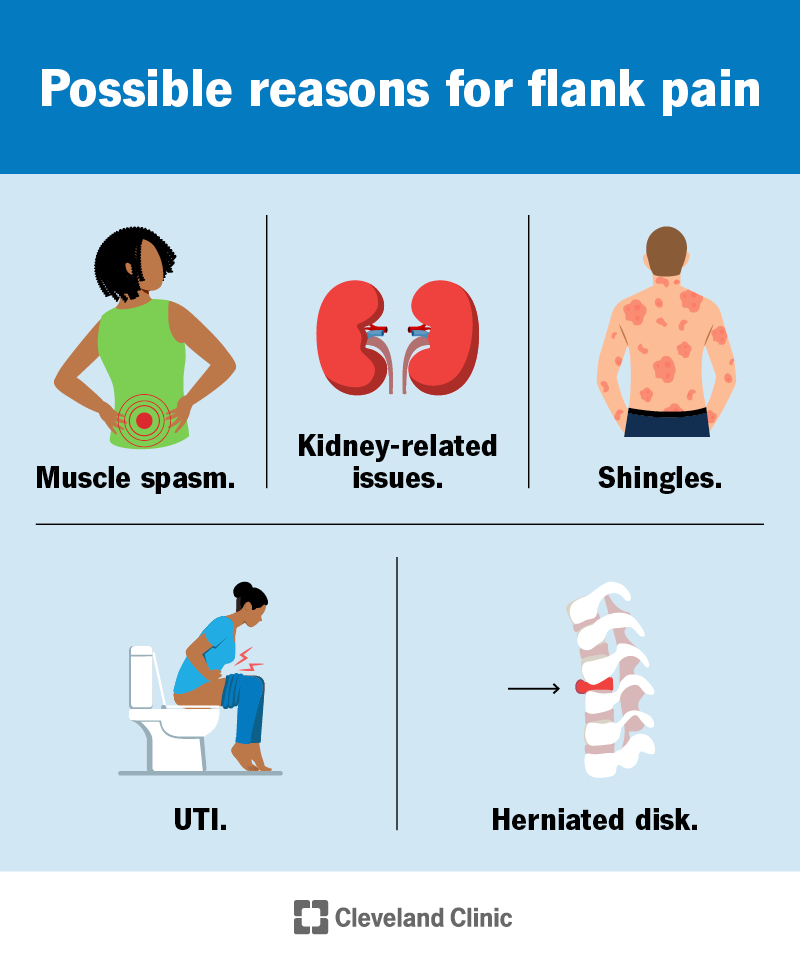
4. Lower Back or Flank Pain That Worsens at Night
Dull, aching pain in the lower back or sides (flank area) that becomes more noticeable at night may be linked to kidney inflammation, infection, or obstruction. Unlike muscle pain, kidney-related discomfort often feels deep and internal rather than surface-level.
Clues that pain may be kidney-related:
-
Pain is not triggered by movement
-
Discomfort persists while lying still
-
Pain may radiate toward the abdomen or groin
This symptom should never be ignored, especially if accompanied by fever, changes in urination, or nausea.
5. Unusual Fatigue or Brain Fog in the Evening
Kidney damage can reduce the production of erythropoietin, a hormone involved in red blood cell production. This may lead to anemia, which often causes fatigue that becomes more noticeable in the evening or at night.
People may experience:
-
Sudden exhaustion after sunset
-
Difficulty concentrating
-
Headaches or lightheadedness
-
Feeling mentally “foggy”
While fatigue has many causes, consistent evening exhaustion without a clear reason may point to reduced kidney efficiency.
Why Nighttime Symptoms Matter
At night, the body shifts into recovery mode. Hormone levels change, fluid balance adjusts, and the nervous system slows down. When kidneys aren’t functioning well, these transitions can highlight imbalances that stay hidden during the day.
Nighttime symptoms are not diagnostic on their own — but patterns matter. Symptoms that are persistent, progressive, or clustered together deserve medical evaluation.
What These Symptoms Do Not Mean
It’s important to be clear:
-
These signs do not automatically mean kidney disease
-
Many conditions can cause similar nighttime symptoms
-
Only blood tests, urine tests, and imaging can assess kidney function
Online information should guide awareness, not self-diagnosis.
When to See a Doctor
Seek medical advice if nighttime symptoms:
-
Persist for more than a few weeks
-
Disrupt sleep regularly
-
Are accompanied by swelling, high blood pressure, or changes in urine
-
Occur alongside diabetes or heart disease
Early evaluation can slow progression and protect long-term kidney health.
Final Thoughts
Kidney damage doesn’t always hurt — and it doesn’t always show itself during the day. Nighttime symptoms are often the body’s quiet way of signaling imbalance.
Paying attention isn’t about fear. It’s about prevention.
When your body whispers at night, it’s worth listening.