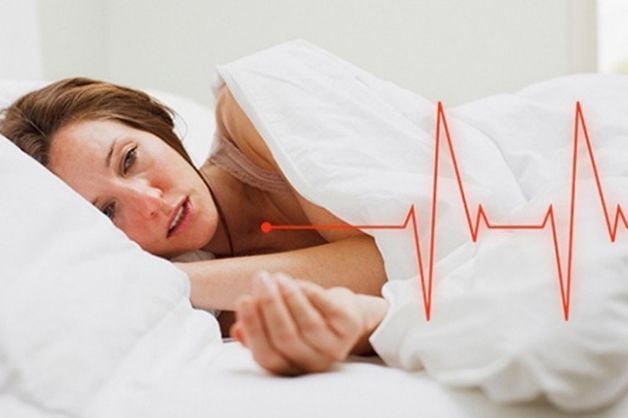
Most people rarely pay attention to their heartbeat. Under normal circumstances, the heart works quietly in the background, pumping blood efficiently without drawing awareness. However, some individuals notice that when they lie down — especially in a quiet room at night — they can suddenly hear or feel their heartbeat more clearly.
In many cases, this experience is harmless. But medical professionals advise that persistent or unusual awareness of your heartbeat while lying down may sometimes indicate an underlying condition that deserves evaluation.
Understanding when this sensation is normal and when it may require attention is key.
What Does It Mean to “Hear” or Feel Your Heartbeat?
The medical term for being unusually aware of your heartbeat is palpitations. This does not necessarily mean the heart is beating abnormally. It simply means the heartbeat becomes noticeable.
People may describe the sensation as:
-
Hearing a rhythmic “thumping” in the ears
-
Feeling a pounding sensation in the chest
-
Noticing stronger beats when resting
-
Feeling the pulse in the neck or head
When lying down, especially on one side, the chest wall is closer to the mattress and there is less environmental noise. This can naturally amplify the perception of heartbeat.

When It Is Likely Normal
In many healthy individuals, hearing or feeling the heartbeat while lying down can occur due to:
1. Body Position
Lying on the left side may bring the heart closer to the chest wall, making the beat more noticeable.
2. Quiet Environment
At night, when external sounds decrease, internal bodily sensations become more apparent.
3. Increased Awareness
Anxiety or stress can heighten awareness of normal bodily functions.
4. After Exercise
Following physical activity, the heart may still be beating more forcefully.
If the sensation is occasional, brief, and not accompanied by other symptoms, it is often harmless.
When It May Signal a Health Concern
Doctors suggest seeking medical evaluation if noticing your heartbeat while lying down is:
-
Frequent
-
Persistent
-
Associated with discomfort
-
Accompanied by additional symptoms
Here are possible underlying causes.

1. Anxiety and Stress Disorders
Anxiety increases adrenaline levels, which can:
-
Raise heart rate
-
Strengthen heart contractions
-
Heighten bodily awareness
This can create a stronger perception of heartbeat, especially during quiet moments.
2. High Blood Pressure
Elevated blood pressure can increase the force of blood flow against artery walls. In some individuals, this may produce a pounding sensation, particularly when lying down.
Hypertension is often silent, making routine monitoring important.
3. Heart Rhythm Disturbances (Arrhythmias)
Irregular heart rhythms may cause:
-
Skipped beats
-
Fluttering sensations
-
Racing heartbeat
-
Sudden pounding episodes
Common arrhythmias include:
-
Atrial fibrillation
-
Premature ventricular contractions (PVCs)
-
Supraventricular tachycardia (SVT)
If palpitations are irregular or accompanied by dizziness or shortness of breath, medical attention is recommended.
4. Anemia
Low red blood cell levels reduce oxygen delivery. To compensate, the heart may pump more forcefully or rapidly.
Symptoms may include:
-
Fatigue
-
Pale skin
-
Shortness of breath
-
Noticeable heartbeat
5. Thyroid Disorders
An overactive thyroid (hyperthyroidism) increases metabolic activity and may cause:
-
Rapid heartbeat
-
Palpitations
-
Heat intolerance
-
Weight loss
Thyroid testing can help rule out this possibility.
6. Structural Heart Conditions
In rare cases, stronger-than-normal heartbeats may relate to:
-
Valve disorders
-
Cardiomyopathy
-
Congenital heart abnormalities
These are less common but require evaluation if symptoms are persistent.
Warning Signs That Require Immediate Medical Care
Seek urgent medical help if noticing your heartbeat is accompanied by:
-
Chest pain
-
Severe shortness of breath
-
Fainting or near-fainting
-
Sudden weakness
-
Irregular or extremely rapid heart rhythm
These symptoms may indicate serious cardiac issues.
How Doctors Evaluate the Condition
Medical assessment may include:
-
Physical examination
-
Blood pressure measurement
-
Blood tests (thyroid, anemia markers)
-
Electrocardiogram (ECG)
-
Holter monitor (24-hour heart rhythm tracking)
-
Echocardiogram
Most cases turn out to be benign, but testing helps rule out more serious causes.
Lifestyle Factors That Can Increase Awareness of Heartbeat
Certain habits may intensify palpitations:
-
High caffeine intake
-
Nicotine use
-
Alcohol consumption
-
Dehydration
-
Poor sleep
-
Chronic stress
Adjusting these factors often reduces symptoms.
Practical Steps to Reduce the Sensation
If medical evaluation rules out serious conditions, doctors may recommend:
-
Practicing relaxation techniques
-
Limiting caffeine and stimulants
-
Staying hydrated
-
Maintaining regular sleep patterns
-
Monitoring blood pressure
-
Engaging in moderate exercise
Mindfulness and breathing exercises can also reduce heightened body awareness.
Final Thoughts
Noticing your heartbeat while lying down is often harmless, especially in quiet settings or after physical activity. However, persistent, irregular, or symptom-associated palpitations may signal an underlying health concern.
The heart is a powerful and responsive organ. Sometimes increased awareness is simply a reflection of position, stress, or environment. But when in doubt, evaluation provides reassurance and ensures early detection of potential issues.
Listening to your body is wise — but interpreting its signals with medical guidance is even wiser.