:max_bytes(150000):strip_icc()/Health-GettyImages-957318582-912a67b1c2d04991ad37a13ff08cf9c2.jpg)
If You Often Drool While Sleeping, It Could Be a Sign of These 6 Health Conditions
Many people occasionally drool in their sleep — especially after a big meal or when extremely tired. Usually, this isn’t a concern. However, when drooling while sleeping becomes frequent or excessive, it may indicate an underlying health issue that deserves attention.
Here are six possible health conditions linked to frequent sleep drooling, what they are, and why this symptom might occur.
1. Sleep Apnea and Breathing Problems
Sleep apnea is a common sleep disorder in which breathing repeatedly stops and starts during the night. When the airway narrows, the body may shift to breathing through the mouth. Mouth breathing can cause saliva to pool and leak out during sleep.
Other symptoms of sleep apnea may include:
-
Loud snoring
-
Gasping or choking during sleep
-
Daytime fatigue
If drooling at night comes with breathing issues, a sleep study may be recommended.
2. Nasal Congestion or Sinus Issues
Allergies, colds, or sinus infections can block the nasal passages. When the nose is congested, you automatically switch to mouth breathing — and mouth breathing increases the likelihood of drooling.
Treating the underlying nasal congestion often reduces nighttime drooling.
3. Acid Reflux or Gastroesophageal Reflux Disease (GERD)
Acid reflux occurs when stomach acid flows backward into the esophagus. This can irritate the throat and cause increased saliva production, especially at night.
Common signs of reflux include:
-
Heartburn or burning sensation
-
Sour taste in the mouth
-
Sore throat upon waking
Managing acid reflux through diet or medication may help reduce nighttime drooling.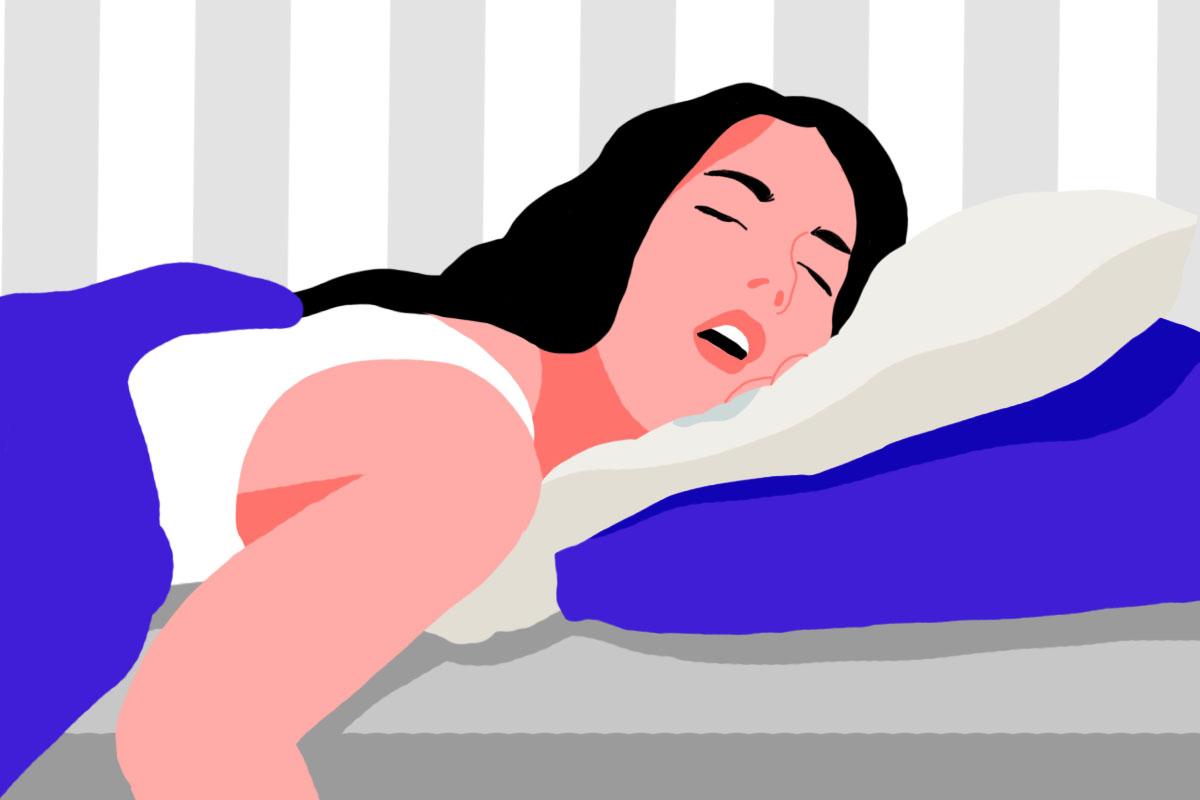
4. Neurological Disorders
Certain neurological conditions can affect muscle control around the mouth and throat, making it harder to swallow normally during sleep. These may include:
-
Parkinson’s disease
-
Stroke
-
Cerebral palsy
Impaired muscle coordination may lead to saliva escaping from the mouth more easily.
5. Dental or Oral Issues
Dental problems such as misaligned teeth, poorly fitting dentures, or jaw abnormalities can make it difficult to keep the mouth sealed comfortably during sleep. Poor oral posture while at rest often contributes to drooling.
Dental evaluation and appropriate treatment can help improve nighttime mouth control.
6. Medication Side Effects
Some medications — especially those that affect the nervous system — may increase saliva production or interfere with swallowing reflexes. Common culprits can include:
-
Certain antidepressants
-
Antipsychotic medications
-
Muscle relaxants
If you suspect a medication is causing excessive drooling, talk to your doctor before making any changes.
When to See a Doctor
Occasional drooling during sleep is normal. But medical evaluation is recommended if you notice:
-
Frequent or worsening drooling
-
Other symptoms such as snoring, gasping, or daytime fatigue
-
Changes in speech, swallowing, or muscle control
-
Persistent nasal congestion
A healthcare provider can help determine the cause and recommend appropriate treatment or lifestyle changes.
Simple Tips to Reduce Nighttime Drooling
While addressing the underlying cause is most important, these tips may help:
✔ Sleep on your back to reduce mouth opening
✔ Treat allergies or nasal congestion
✔ Avoid eating large meals right before bed
✔ Practice good oral hygiene
✔ Consult a dentist or sleep specialist if needed
Final Thought
Drooling while sleeping is common and often harmless, but when it becomes frequent or severe, it can be a clue that your body is trying to communicate an underlying issue. Paying attention to accompanying symptoms and consulting a professional early can lead to better sleep and overall health.