Say Goodbye to Flies, Mosquitoes and Cockroaches by Boiling These Leaves
Unwanted insects like flies, mosquitoes and cockroaches aren’t just annoying — they can carry bacteria and cause discomfort in your home. Many people reach for chemical sprays or traps, but there is a simple, natural alternative using common leaves that can help repel these pests without harmful toxins.
By boiling specific leaves in water and using the steam or leftover liquid, you can create a natural insect-repelling solution that is safe, eco-friendly and effective.
Here’s how it works and which leaves to use.
Why Boiling Leaves Helps Repel Insects
Many plants produce natural oils and compounds that insects find unpleasant. When these leaves are boiled, the steam and extract released into the water contain aromatic compounds that:
-
Mask the scents that attract pests
-
Create an environment insects avoid
-
Disrupt insect breathing or navigation
This method is gentle, chemical-free and can be used indoors or outdoors without risk to pets or children when used properly.
1. Basil Leaves
Basil is one of the most effective natural repellents for flies and mosquitoes. The strong smell of basil contains essential oils that insects dislike.
How to Use:
-
Take a handful of fresh basil leaves.
-
Boil them in a pot of water for 10–15 minutes.
-
Let it cool slightly, then strain the liquid.
-
Pour into a spray bottle and mist around doors, windows, and other entry points.
You can also keep basil plants near windows or outdoor seating areas for continuous protection.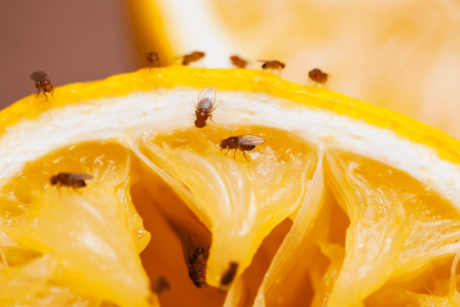
2. Neem Leaves
Neem has long been used in traditional remedies and pest control. Its compounds are known to repel mosquitoes and cockroaches effectively.
How to Use:
-
Boil neem leaves in water until the color darkens.
-
Allow the liquid to cool.
-
Spray around kitchens, trash areas, patios, and corners where insects gather.
Neem water can also be used to wipe surfaces.
3. Lemon or Citrus Leaves
Citrus-scented leaves, such as lemon or lime, are disliked by many flying insects. Their fresh aroma can help keep flies and mosquitoes at bay.
How to Use:
-
Simmer a pot of lemon or lime leaves in water for 10 minutes.
-
Strain and spray the liquid around rooms and outdoor spaces.
-
Repeat daily for best results.
Alternatively, citrus peels can be used in the same way.
4. Mint Leaves
Mint has a refreshing scent for humans but is unpleasant to insects. Mosquitoes and cockroaches tend to avoid mint strongly.
How to Use:
-
Boil a handful of fresh mint leaves in a pot.
-
Let it steep for 10–15 minutes.
-
Strain and spray around affected areas.
You can also plant mint near outdoor seating or doorway entrances for continuous benefit.
Tips for Best Results
✔ Use fresh leaves when possible — dried leaves work but may be less potent.
✔ Always allow the mixture to cool before spraying; hot liquid can damage surfaces.
✔ Reapply every day or after rain if using outdoors.
✔ Close doors and windows briefly after spraying to allow the scent to circulate.
Bonus: Combine for Extra Power
You can mix two or more leaf infusions — such as basil and neem — to create a stronger repellent. Combining scents increases complexity and makes the atmosphere even less appealing to insects.
Why This Is a Great Natural Option
-
✔ Safe for families and pets
-
✔ No harsh chemicals or toxic fumes
-
✔ Inexpensive and easy to prepare
-
✔ Uses everyday kitchen herbs and leaves
This method won’t kill insects instantly like insecticides, but it creates an environment that pests prefer to avoid — helping you enjoy a more comfortable, insect-free home naturally.