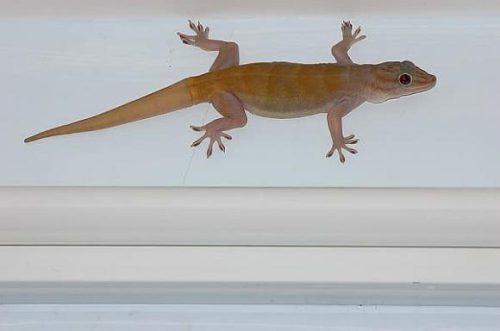
Geckos are small reptiles commonly found in warm and tropical climates. In many regions, especially across Asia, they are a familiar presence in households. While geckos are generally harmless and even beneficial because they feed on insects, their repeated appearance indoors can make some people uncomfortable.
If geckos keep returning to your home, it usually means your living environment provides what they need: food, shelter, warmth, or moisture. The key to preventing their return is not aggressive extermination, but eliminating the conditions that attract them in the first place.
Below are practical, safe, and effective measures that may help reduce gecko activity inside your home.

1. Reduce Insect Populations
Geckos primarily enter homes in search of food. Their diet consists of:
-
Mosquitoes
-
Flies
-
Ants
-
Moths
-
Cockroaches
-
Small spiders
If insects are abundant, geckos will follow.
To reduce their food source:
-
Keep food tightly sealed
-
Clean crumbs and spills promptly
-
Wash dishes immediately after meals
-
Use covered trash bins
-
Install insect screens on windows
-
Turn off unnecessary outdoor lights at night (lights attract insects, which attract geckos)
The fewer insects available, the less incentive geckos have to remain indoors.
2. Seal Entry Points
Geckos can squeeze through surprisingly small openings. Even tiny gaps around doors, windows, and vents can serve as entry points.
Inspect your home for:
-
Cracks in walls
-
Gaps around window frames
-
Spaces under doors
-
Open ventilation holes
-
Broken screens
Seal cracks with silicone caulk. Install door sweeps to block gaps beneath doors. Repair or replace damaged window screens.
Prevention at the structural level is one of the most effective long-term strategies.
3. Control Indoor Lighting at Night
Bright indoor and outdoor lights attract insects. Since geckos feed on insects, they often gather near light sources.
To reduce attraction:
-
Use warm-colored LED lights instead of bright white lights
-
Keep curtains closed at night
-
Avoid leaving porch lights on unnecessarily
-
Position outdoor lighting away from doorways
Limiting insect attraction indirectly reduces gecko activity.
4. Remove Hiding Spots
Geckos prefer dark, undisturbed spaces during the day. Common hiding areas include:
-
Behind curtains
-
Inside cabinets
-
Under appliances
-
Behind wall décor
-
In cluttered storage areas
Keeping your home organized and decluttered reduces safe hiding spots.
Regular cleaning behind furniture and appliances can also discourage nesting.
5. Manage Moisture and Humidity
Geckos are drawn to humid environments. Bathrooms, kitchens, and laundry areas are common hotspots.
To reduce humidity:
-
Use exhaust fans
-
Repair leaking pipes
-
Wipe down wet surfaces
-
Improve ventilation
-
Consider a dehumidifier in damp rooms
A dry environment is less appealing for both insects and geckos.
6. Natural Deterrents
Some homeowners use natural repellents as mild deterrents. While scientific evidence is limited, certain strong scents may discourage geckos.
Commonly suggested options include:
-
Garlic cloves placed near entry points
-
Onion slices
-
Essential oils such as peppermint or eucalyptus (diluted and sprayed carefully)
These methods are not guaranteed solutions, but they may complement other prevention strategies.
Avoid harmful chemicals or toxic substances that could endanger children, pets, or other wildlife.
7. Avoid Using Toxic Chemicals Indoors
While chemical pesticides may kill insects, overuse indoors can pose health risks. Additionally, removing insects without addressing structural gaps may not solve the problem permanently.
If gecko presence becomes severe, consider consulting professional pest control services that use targeted and safe methods.
8. Understand That Some Presence Is Normal
In many tropical regions, occasional geckos are part of the natural ecosystem. They do not spread major diseases and rarely pose danger to humans.
In fact, they help control insect populations.
The goal is not necessarily complete elimination, but minimizing frequent intrusion into living spaces.
When to Seek Professional Help
If you notice:
-
Large numbers of geckos
-
Signs of nesting
-
Persistent droppings
-
Structural infestations
it may be time to contact pest control professionals for assessment.
Final Thoughts
Recurring geckos in your home usually signal underlying conditions — mainly available food sources, moisture, and accessible entry points. By addressing these factors through cleaning, sealing, decluttering, and humidity control, you can significantly reduce the likelihood of their return.
Simple environmental adjustments are often more effective than reactive measures. With consistent maintenance and prevention, your home can become less attractive to geckos while remaining safe and comfortable for everyone inside.