For many home cooks, boiling chicken seems simple: place the bird in a pot, cover it with water, add salt, and let it cook. While this method is common, it often produces disappointing results. The meat can turn tough, bland, and sometimes even carry a slightly fishy odor that makes the dish less appealing.
If you want beautifully golden skin, naturally sweet flavor, and tender, juicy meat, it’s time to rethink the way you boil chicken.
Why Salt and Water Aren’t Enough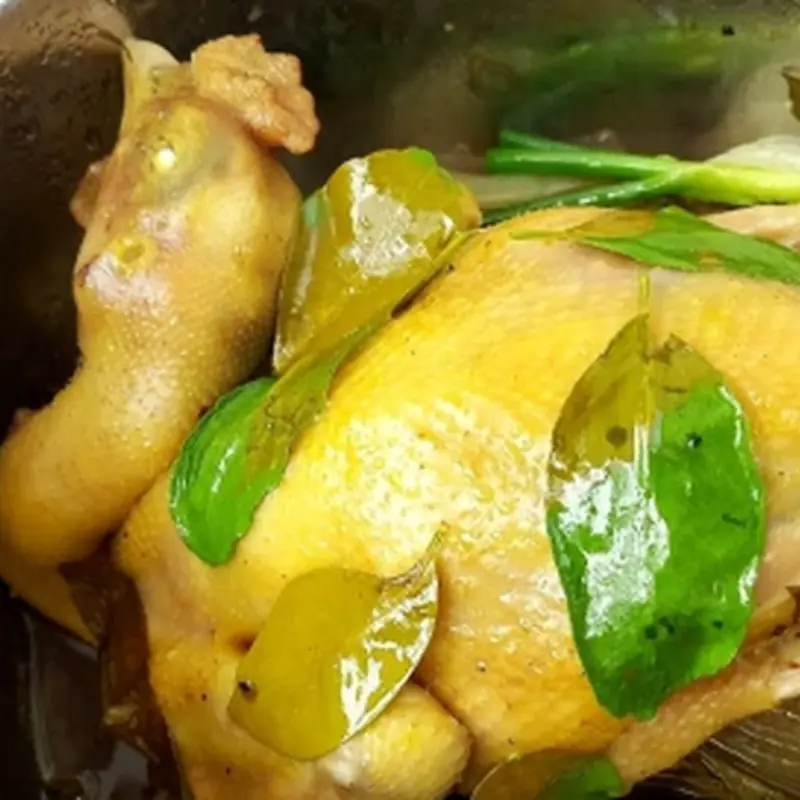
When chicken is boiled in plain water with only salt, the flavor compounds in the meat easily leach out into the cooking liquid. Instead of sealing in flavor, the process strips it away. The result? Meat that tastes flat and lacks depth.
Another issue is texture. If the heat is too high or the cooking time is too long, the protein fibers in the chicken tighten excessively. This causes the meat to become firm and dry rather than succulent. Even worse, plain boiling does little to neutralize the natural odors that sometimes develop during cooking, which can lead to that faint “fishy” smell many people dislike.
The good news is that small adjustments can completely transform your boiled chicken.
The Secret to Golden, Fragrant Chicken
The key lies in building flavor into the cooking water and controlling the heat carefully.
Instead of using only water and salt, try adding aromatics such as fresh ginger slices, smashed garlic cloves, scallions, and a few citrus leaves or a splash of rice wine. These ingredients serve multiple purposes:
-
They neutralize unwanted odors.
-
They infuse the meat with subtle fragrance.
-
They enhance the chicken’s natural sweetness.
Ginger and scallions, in particular, are highly effective at removing any unpleasant smell while adding a clean, fresh aroma. Citrus leaves or a squeeze of lemon brighten the broth and give the skin a gentle sheen.
Control the Heat for Perfect Texture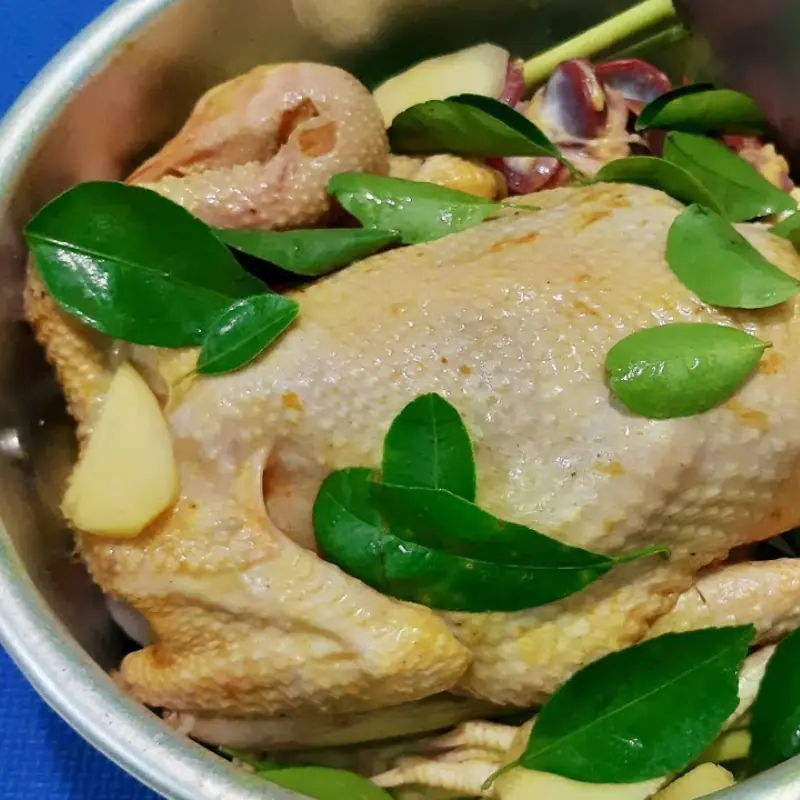
Equally important is how you manage the heat. Rather than vigorously boiling the chicken, bring the pot to a gentle boil and then immediately reduce it to a low simmer. Aggressive boiling causes the meat to tighten and toughen.
Some experienced cooks even turn off the heat once the water reaches a boil, cover the pot, and allow the chicken to cook gently in the residual heat. This method helps maintain moisture and keeps the meat tender.
The difference in texture is remarkable. Instead of dry fibers that require effort to chew, the meat becomes soft, juicy, and easy to slice.
Achieving That Beautiful Golden Skin
A common complaint about boiled chicken is pale, dull-looking skin. To achieve a more appetizing golden hue, consider these simple techniques:
-
Rub the chicken lightly with salt before cooking to clean the skin and tighten its surface.
-
Add a small piece of turmeric or a few drops of cooking oil to the water for a subtle golden tint.
-
Once cooked, briefly dip the chicken in cold water to tighten the skin and create a smooth, glossy finish.
This quick cold bath also helps stop the cooking process, preventing overcooking and keeping the meat juicy inside.
Let It Rest Before Cutting
Patience matters. After removing the chicken from the pot, allow it to rest for 10–15 minutes before chopping. Resting helps the juices redistribute throughout the meat instead of spilling out onto the cutting board.
When you finally slice into it, you’ll notice the difference immediately: moist flesh, fragrant steam, and a naturally sweet flavor that doesn’t require heavy dipping sauces to compensate.
The Broth Is a Bonus
Another advantage of using aromatics is that your cooking liquid becomes a light, flavorful broth rather than bland water. Strain it, adjust the seasoning, and you have the base for soup or a comforting bowl of noodles.
Nothing goes to waste, and every element of the dish tastes intentional.
Small Changes, Big Results
Boiling chicken may seem like one of the simplest cooking methods, but simplicity doesn’t have to mean sacrificing flavor. By adding a few carefully chosen aromatics and managing heat properly, you can transform an ordinary boiled chicken into a centerpiece that looks inviting and tastes exceptional.