Japanese honeysuckle is a fast-growing flowering vine recognized for its sweet fragrance and delicate tubular blossoms. Native to East Asia, it has long been used in traditional herbal systems for its cooling, cleansing, and soothing properties. Beyond its ornamental appeal in gardens, this plant has been valued in folk practices for supporting general wellness and for practical household uses.
While modern science continues to study its active compounds, traditional applications offer insight into why this plant has remained culturally significant for centuries.
Botanical Overview
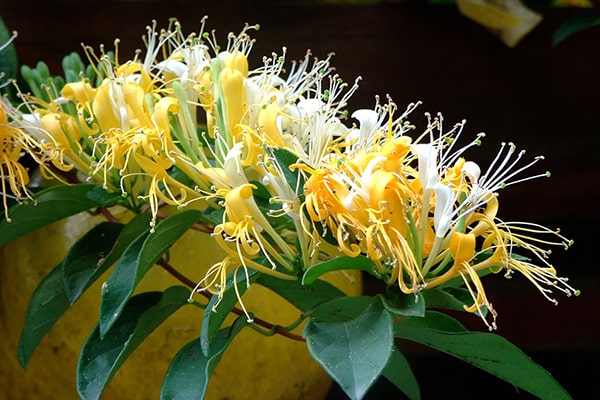
Japanese honeysuckle belongs to the Caprifoliaceae family. It produces white flowers that gradually turn yellow as they mature. The flowers are the primary part used in herbal preparations, although stems and leaves have also been utilized in certain traditions.
The plant contains several bioactive compounds, including:
-
Flavonoids
-
Saponins
-
Chlorogenic acid
-
Luteolin
-
Essential oils
These compounds are associated with antioxidant, anti-inflammatory, and antimicrobial properties.
Traditional Wellness Benefits
1. Cooling and Detoxifying Properties
In traditional East Asian herbal systems, Japanese honeysuckle is considered a “cooling” herb. It has historically been used to help reduce internal heat conditions, which were associated with symptoms such as sore throat, fever, and skin inflammation.
Infusions made from dried honeysuckle flowers are commonly consumed as herbal tea to promote overall balance during seasonal changes.
It is important to note that while laboratory studies suggest antimicrobial and anti-inflammatory potential, herbal teas should not replace medical treatment for infections or fever.
2. Immune System Support
Japanese honeysuckle has been traditionally used during cold and flu seasons. Some of its compounds, such as chlorogenic acid, have shown antioxidant activity in scientific research. Antioxidants help neutralize free radicals and support immune resilience.
In many herbal formulas, honeysuckle is combined with other botanicals to support respiratory comfort and general immune health.

3. Skin Soothing Applications
Due to its antimicrobial and anti-inflammatory properties, honeysuckle extracts have been used in traditional topical applications.
Common uses include:
-
Soothing minor skin irritation
-
Supporting acne-prone skin
-
Compresses for mild inflammation
-
Herbal washes for skin cleansing
Modern skincare products sometimes incorporate honeysuckle extract for its preservative-like properties and natural antibacterial activity.
However, individuals with sensitive skin should perform a patch test before applying any herbal preparation.
4. Digestive Comfort
In traditional herbal practices, honeysuckle has occasionally been used to support digestive balance, particularly in cases associated with heat-related discomfort.
While evidence is limited, its mild anti-inflammatory activity may contribute to digestive support when used appropriately in tea form.
Traditional Home Applications
Beyond wellness, Japanese honeysuckle has been used in various household contexts.
1. Herbal Tea Preparation
One of the most common home uses is brewing dried honeysuckle flowers into tea.
Basic preparation method:
-
Steep 1–2 teaspoons of dried flowers in hot water for 5–10 minutes
-
Strain and consume warm
The tea has a light floral taste and is often consumed during warmer months for its refreshing quality.
2. Natural Air Freshener
Fresh honeysuckle flowers have a naturally sweet fragrance. In some traditional homes, flowers were placed in small bowls to gently scent indoor spaces.
Unlike synthetic air fresheners, fresh blossoms provide a subtle and temporary aroma without artificial chemicals.

3. Herbal Bath Additive
Dried honeysuckle flowers may be added to bathwater. This practice is traditionally associated with soothing the skin and promoting relaxation.
The warm water helps release the plant’s aromatic compounds, creating a calming sensory experience.
4. Garden and Landscaping Use
Japanese honeysuckle is widely planted as a decorative vine. It grows quickly, making it useful for:
-
Covering fences
-
Creating natural privacy screens
-
Preventing soil erosion
However, in some regions it is considered invasive due to its aggressive growth habit. Gardeners should manage it carefully to prevent overgrowth.
Scientific Perspective
Modern research has identified several promising biological activities in Japanese honeysuckle extracts, including:
-
Antioxidant activity
-
Anti-inflammatory effects
-
Antimicrobial properties
-
Potential antiviral activity in laboratory settings
However, most studies are conducted in vitro (in laboratory environments) or on animals. Human clinical research remains limited. Therefore, while traditional use is widespread, strong medical claims should be approached cautiously.
Safety Considerations
Although generally considered safe in moderate amounts, precautions include:
-
Avoiding excessive consumption
-
Consulting a healthcare provider if pregnant or breastfeeding
-
Being cautious if allergic to flowering plants
-
Ensuring proper plant identification (misidentification can be dangerous)
Additionally, because Japanese honeysuckle can spread aggressively in certain ecosystems, responsible cultivation is important.

Final Thoughts
Japanese honeysuckle represents a plant that bridges beauty and tradition. Its fragrant blossoms have adorned gardens for generations, while its flowers have been valued in herbal preparations for supporting immune comfort, soothing skin, and promoting balance.
Although it should not replace professional medical treatment, Japanese honeysuckle remains a respected botanical in traditional wellness practices. When used thoughtfully and responsibly, it can serve both aesthetic and practical roles in the home.
As with many herbal remedies, balance and informed use are key. Tradition provides guidance, but modern understanding encourages careful, evidence-based application.