6 Foods That May Affect Calcium Balance — And What That Really Means for Your Bones
The image claims that certain foods “silently drain calcium from the body” and weaken bones. That sounds alarming — but the science behind bone health is more nuanced.
Bones are living tissue. They constantly remodel through a balance of calcium deposition and resorption. Bone strength depends on:
-
Calcium intake
-
Vitamin D status
-
Hormonal balance
-
Physical activity
-
Overall diet quality
No single food instantly “drains” calcium. However, some dietary patterns may influence calcium balance when consumed excessively.
Let’s break it down accurately.
How Calcium Regulation Works


The body tightly regulates blood calcium levels. If dietary calcium is low, the body may draw from bone stores. But this process depends on:
-
Parathyroid hormone
-
Vitamin D
-
Kidney function
-
Dietary sodium and protein
Now, here are the foods often mentioned in headlines.
1. Excessive Salt (High Sodium Foods)
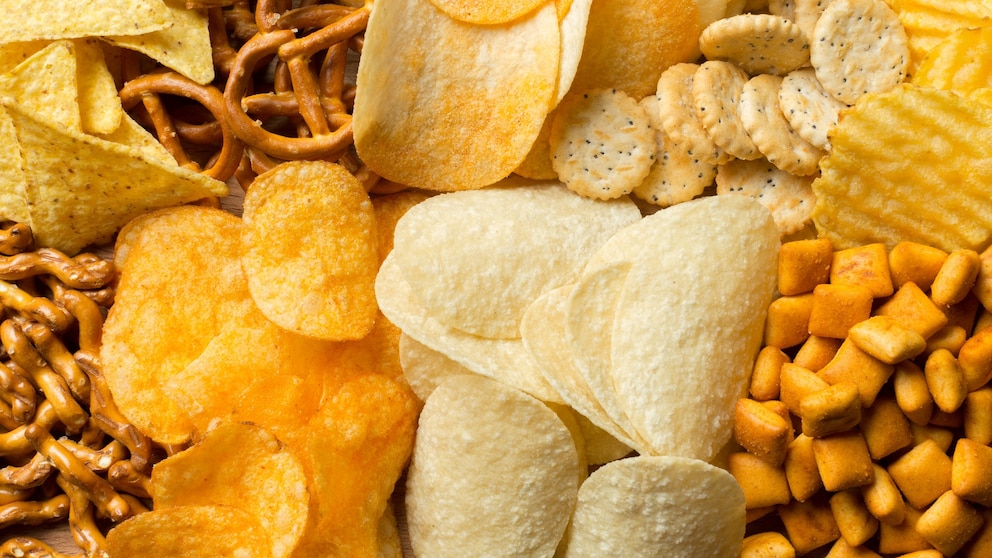
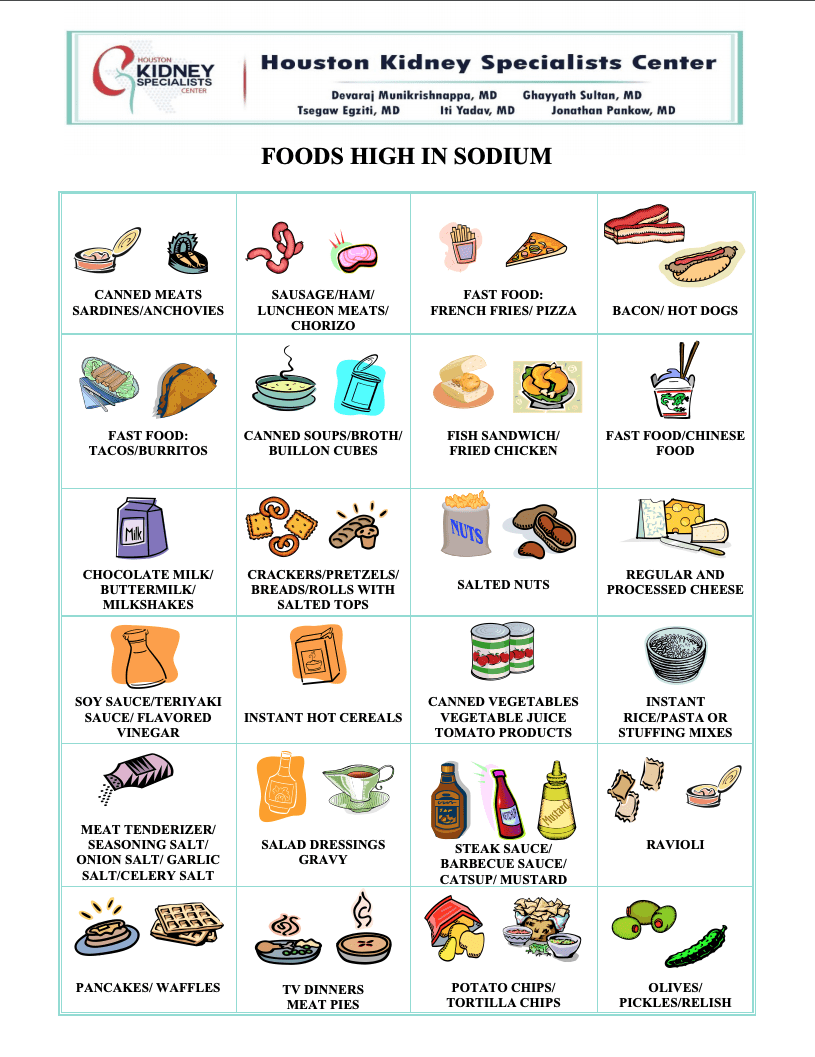
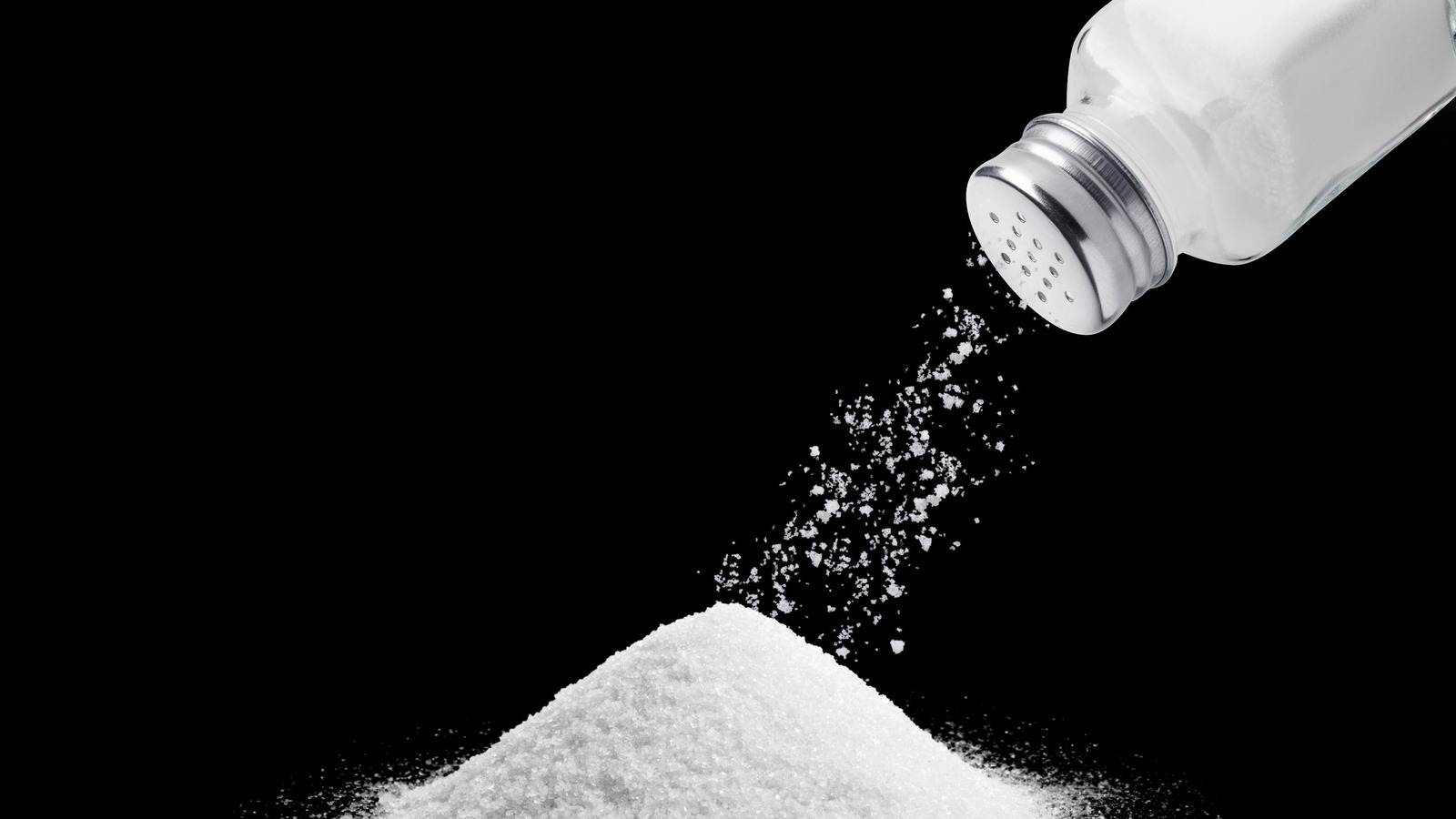
High sodium intake increases calcium excretion in urine.
This means:
More sodium → more calcium lost through kidneys.
However:
This effect becomes significant mainly when sodium intake is very high and calcium intake is low.
Balanced diets with adequate calcium can offset this effect.
2. Sugary Soft Drinks (Especially Cola)

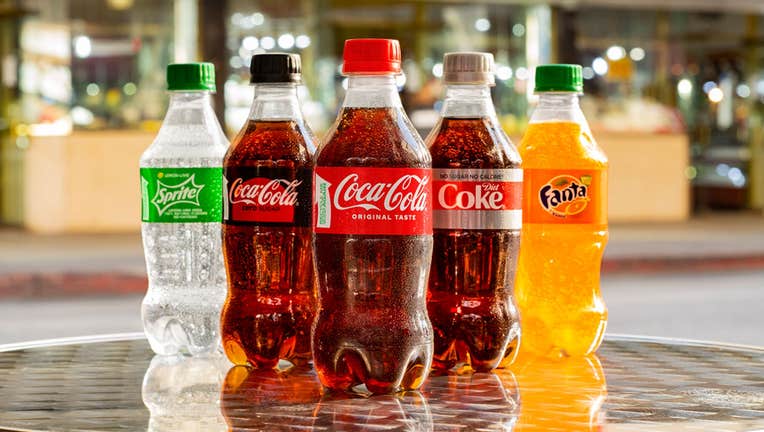

Cola beverages contain phosphoric acid. Excessive phosphorus intake relative to calcium may affect bone metabolism.
The issue is not an occasional soda.
The concern is:
High soda intake replacing milk or nutrient-rich beverages.
Poor overall diet quality — not soda alone — drives bone weakness.
3. Excess Caffeine



Caffeine slightly increases calcium excretion.
But research shows:
Moderate coffee intake (2–3 cups/day) has minimal impact if calcium intake is adequate.
The effect becomes more relevant in:
-
Older adults
-
People with low calcium intake
-
Excessive caffeine consumers
Moderation matters.
4. Highly Processed Foods



Ultra-processed foods tend to be:
-
High in sodium
-
Low in calcium
-
Low in magnesium
-
Low in vitamin K
They do not “drain” calcium directly.
They displace nutrient-dense foods.
Long-term dietary imbalance contributes to poor bone health.
5. Excess Alcohol



Chronic heavy alcohol use can:
-
Impair calcium absorption
-
Reduce vitamin D activation
-
Suppress bone-forming cells (osteoblasts)
Occasional moderate consumption does not automatically weaken bones.
The risk lies in chronic overuse.
6. Very High Protein Diets (Without Balance)


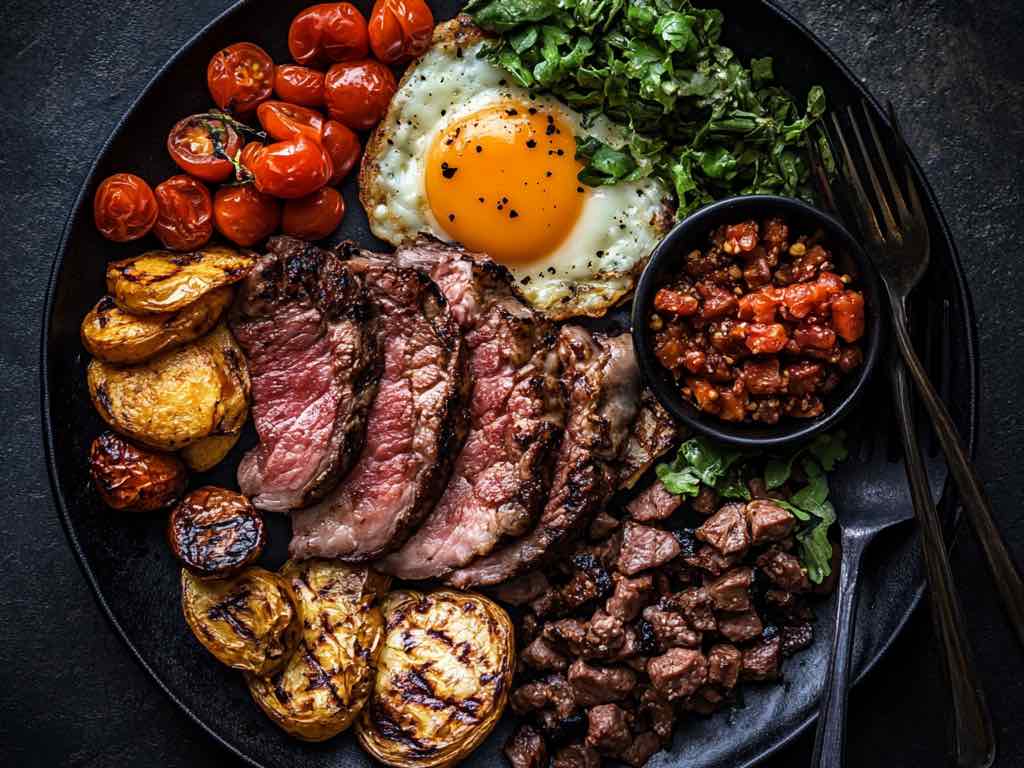
Older research suggested high protein increases calcium loss in urine.
However, newer studies show:
Adequate protein actually supports bone health — especially in older adults — when calcium intake is sufficient.
Protein deficiency may be more harmful than moderate protein intake.
The issue is imbalance, not protein itself.
What the Headline Gets Wrong
The phrase “silently drain calcium” oversimplifies bone physiology.
Bones weaken primarily due to:
-
Chronic calcium deficiency
-
Vitamin D deficiency
-
Sedentary lifestyle
-
Hormonal changes (especially menopause)
-
Aging
-
Certain medications (e.g., steroids)
No single food automatically weakens bones in a well-balanced diet.
What Actually Protects Bone Health
Strong bones require:
-
1000–1200 mg calcium per day (depending on age)
-
Adequate vitamin D
-
Weight-bearing exercise
-
Adequate protein
-
Limited excessive sodium and alcohol
-
Avoidance of smoking
Bone density declines gradually — not overnight.
A Balanced Perspective
The real risk is not one food.
It is:
-
Long-term dietary imbalance
-
Nutrient deficiencies
-
Lack of physical activity
Fear-based messaging about “calcium-draining foods” often distracts from the bigger picture.
Bone health is cumulative and multifactorial.
Final Takeaway
Yes — excessive sodium, caffeine, alcohol, and poor diet quality can influence calcium balance over time.
But:
Moderation + adequate calcium + vitamin D + exercise = strong bones.
No food alone determines bone strength.
Sustainable habits matter more than dramatic headlines.