A Health-Conscious Couple Diagnosed With Cancer: Can One Drinking Habit Really Be the Cause?
The image presents a dramatic claim: a health-conscious couple was diagnosed with cancer, and doctors allegedly traced it back to one common drinking habit. A circle highlights large water containers, suggesting that the water source may be implicated.
Headlines like this spread fast. But when discussing cancer, correlation must never be confused with causation. Let’s unpack this carefully and scientifically.
The Claim: A “Common Drinking Habit”


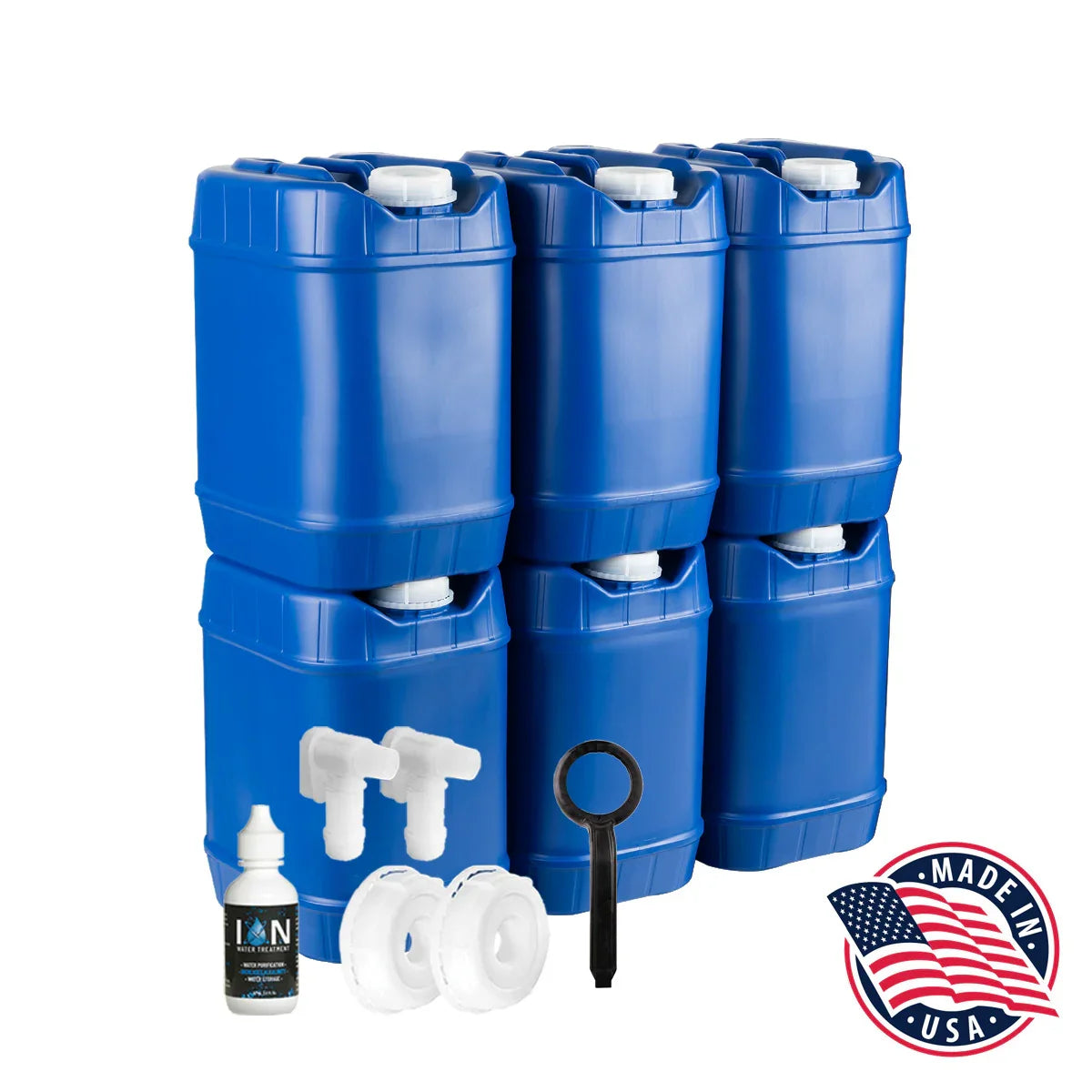
The image suggests that storing or consuming water from large plastic containers might have contributed to cancer. This implication usually revolves around concerns such as:
-
Chemical leaching from plastic
-
Poor sanitation of refillable containers
-
Contaminated water sources
-
Long-term exposure to certain toxins
Before jumping to conclusions, it is important to understand what science actually says.
Does Plastic Water Storage Cause Cancer?
1. BPA and Chemical Leaching
Certain plastics historically contained Bisphenol A (BPA), a chemical studied for its endocrine-disrupting properties. BPA exposure at high levels has raised concerns in laboratory studies.
However:
-
Most modern food-grade water containers are labeled BPA-free.
-
Regulatory agencies set strict safety limits for chemical migration.
-
Normal usage under safe conditions does not automatically imply high-risk exposure.
The risk increases only if:
-
Containers are exposed to high heat.
-
They are reused beyond intended lifespan.
-
They are visibly degraded or scratched.
Even then, cancer risk is influenced by cumulative exposure over years — not a single behavior.
Could Contaminated Water Be a Factor?

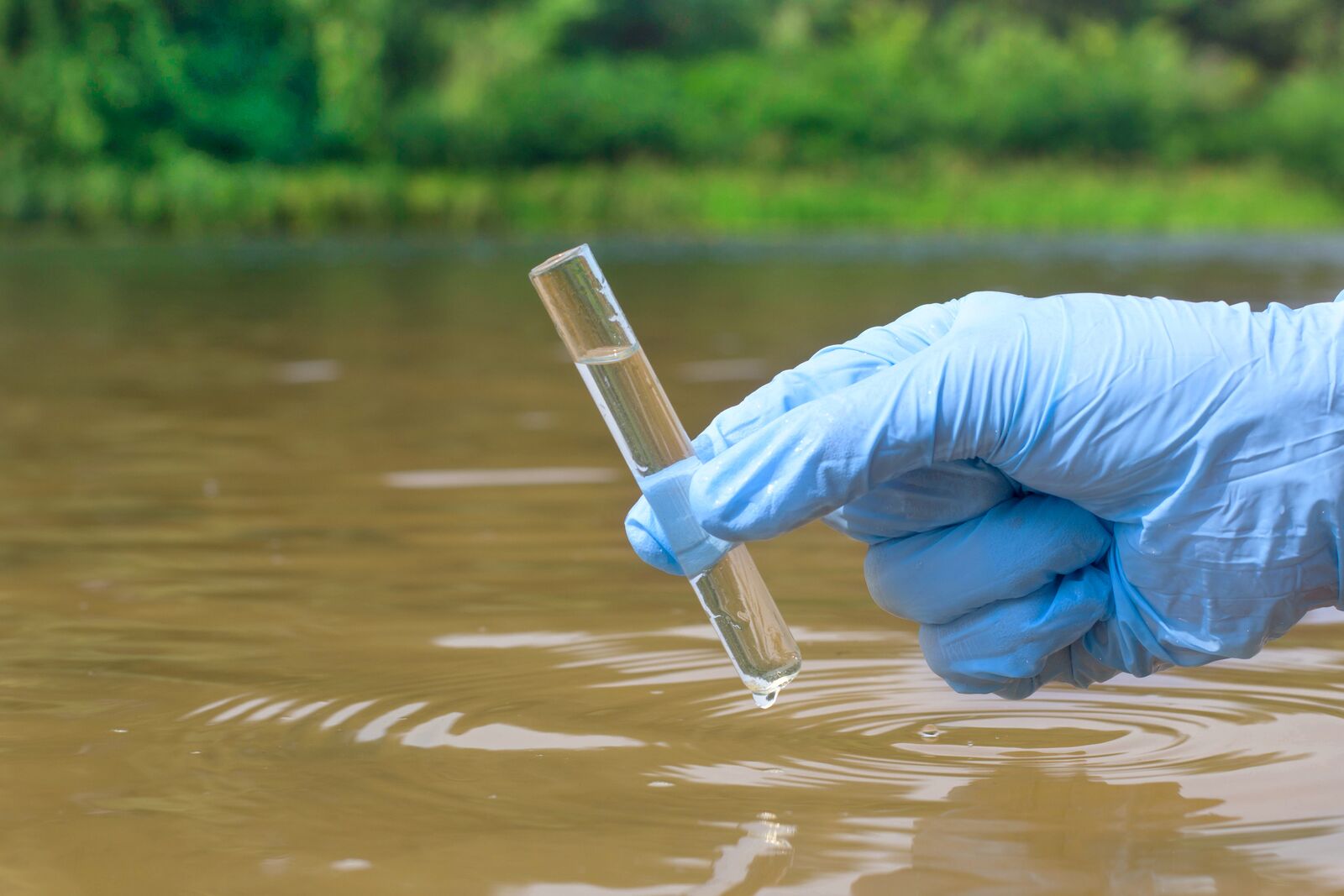
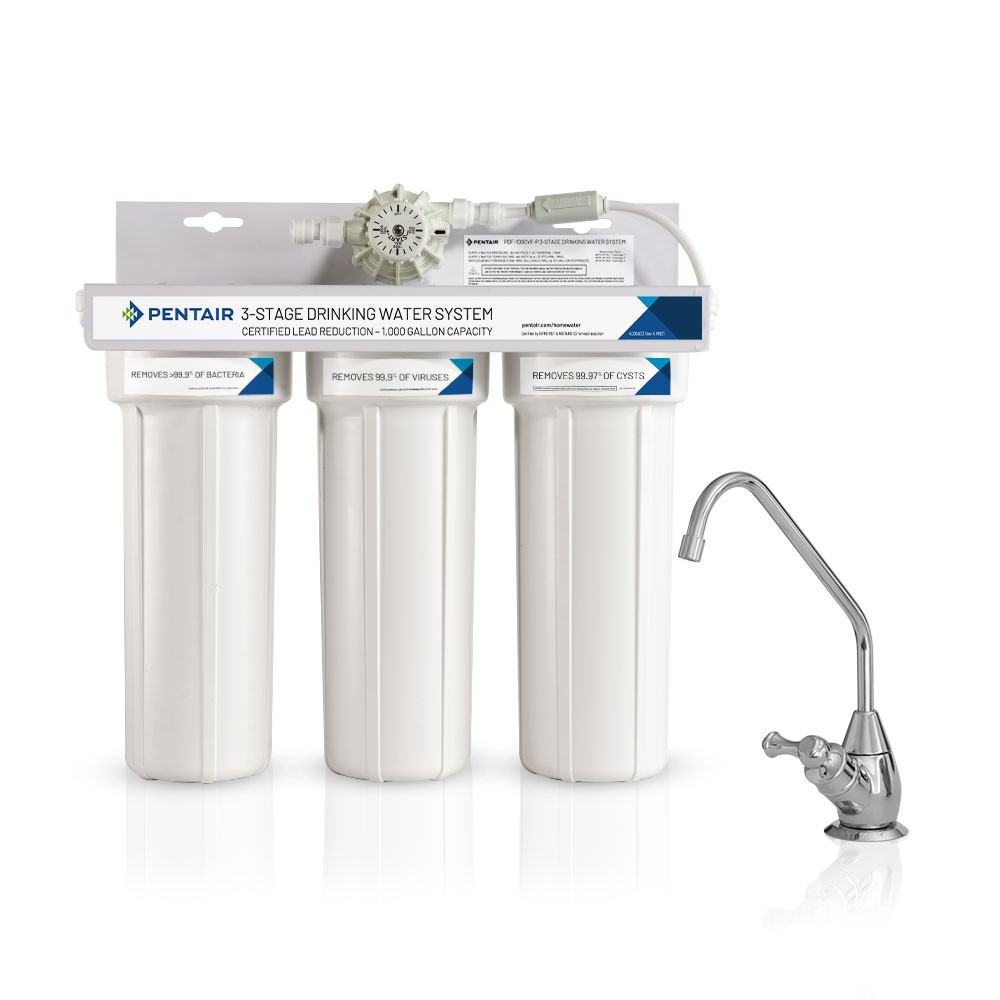
Unsafe drinking water is a legitimate global health issue. Long-term exposure to contaminated water containing:
-
Arsenic
-
Nitrates
-
Heavy metals
-
Certain industrial chemicals
has been linked in research to increased cancer risk.
However, this depends entirely on:
-
Geographic region
-
Water source regulation
-
Testing and treatment standards
Without laboratory confirmation, it is impossible to attribute cancer to water storage alone.
The Complexity of Cancer Development
Cancer does not arise from a single factor in most cases. It is typically the result of:
-
Genetic predisposition
-
Environmental exposure
-
Lifestyle factors
-
Viral infections
-
Aging-related cellular mutations
Even when two people in the same household develop cancer, shared lifestyle or environmental exposure must be carefully investigated — but coincidence is also statistically possible, especially as people age.
Anecdotal stories do not establish medical causation.
Other Possible Shared Risk Factors


When couples are both diagnosed, investigators may examine:
-
Indoor air quality
-
Cooking fumes
-
Mold exposure
-
Radon gas
-
Secondhand smoke
-
Occupational hazards
Water containers may simply be a visual focus in a viral story — not necessarily the verified cause.
What the Headline Gets Wrong
The wording “Doctors point to one common drinking habit” implies certainty. In real clinical practice:
-
Doctors rarely assign cancer to one isolated daily behavior.
-
Establishing causation requires epidemiological evidence.
-
Individual cases cannot redefine population-level risk.
Health misinformation often uses emotionally compelling narratives paired with common household items to create fear.
Scientific conclusions require controlled studies, not isolated case stories.
When Should You Be Concerned About Drinking Water?
It is reasonable to ensure safe hydration habits:
-
Use certified food-grade containers.
-
Avoid exposing plastic containers to direct sunlight or heat.
-
Replace old or damaged bottles.
-
Consider periodic water quality testing if using private wells.
-
Follow local public health guidelines.
These are preventive steps — not panic-driven reactions.
Evidence-Based Perspective
According to global cancer research:
The strongest modifiable cancer risk factors include:
-
Smoking
-
Excessive alcohol consumption
-
Obesity
-
Poor diet
-
Chronic infections
-
Prolonged UV exposure
Water storage in compliant, regulated containers is not recognized as a major standalone cancer cause under normal conditions.
Psychological Impact of Fear-Based Health Headlines
Dramatic headlines can:
-
Increase anxiety
-
Promote distrust of everyday products
-
Spread misinformation
-
Distract from proven risk factors
Balanced health communication focuses on verified evidence, not viral speculation.
Final Thoughts
The image raises an important principle: environmental exposures matter. But cancer is rarely the result of one simple habit.
If concerned about water safety:
-
Review the source.
-
Check local water reports.
-
Use certified containers.
-
Consult healthcare professionals for personalized risk assessment.
Fear spreads faster than facts. But long-term health protection is built on evidence, moderation, and informed decisions — not dramatic headlines.
Stay informed. Stay critical. And prioritize scientifically grounded prevention over viral claims.