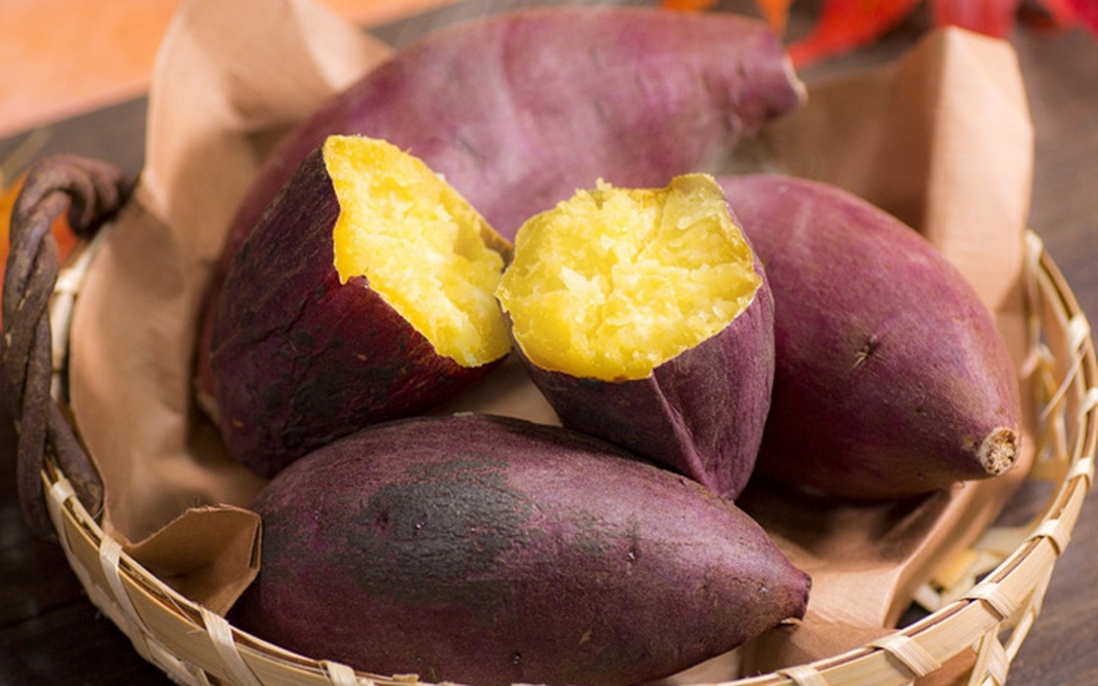
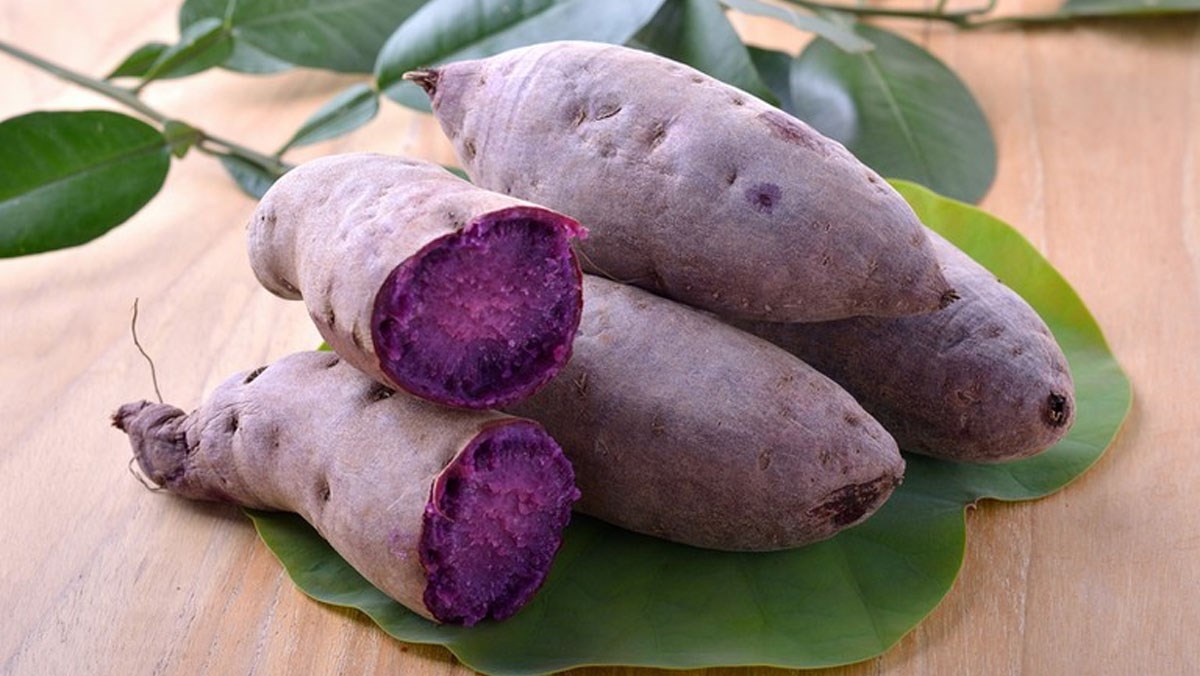
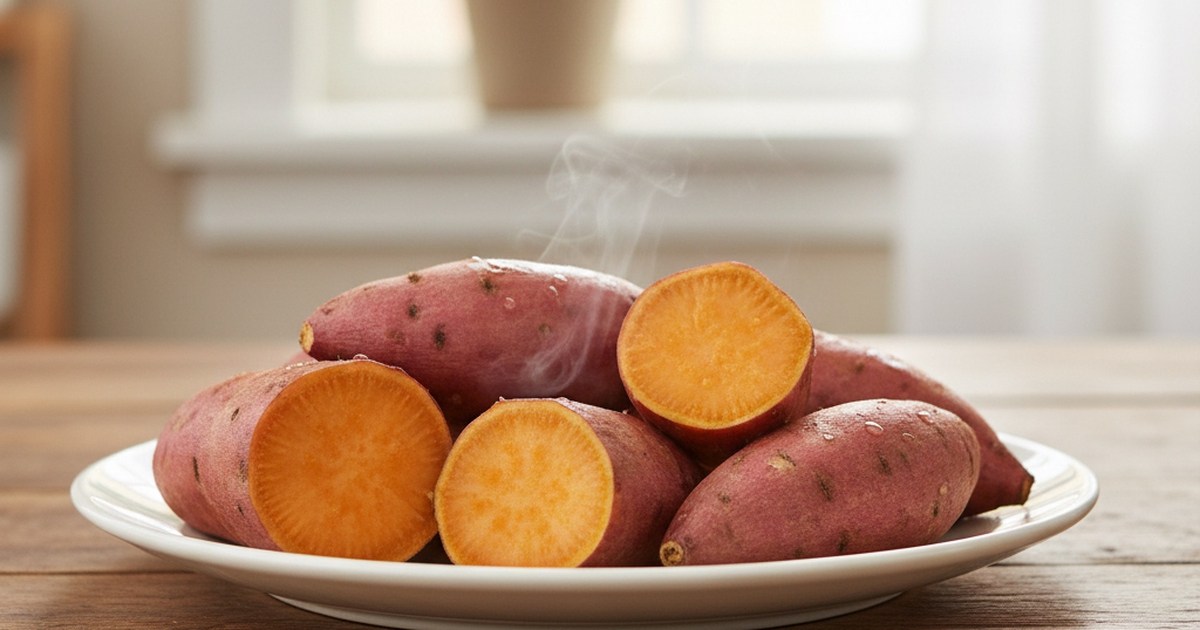
Sweet potatoes are widely recognized as a nutrient-dense food. They are rich in fiber, beta-carotene, vitamin A, potassium, and complex carbohydrates. Their natural sweetness and versatility make them a staple in many cuisines.
However, while sweet potatoes are generally healthy, certain food combinations may cause digestive discomfort in some individuals—especially those with sensitive stomachs, irritable bowel syndrome (IBS), acid reflux, or slow digestion.
It is important to clarify that no food combination is universally “forbidden.” The effects depend on individual digestive tolerance, portion size, and overall diet quality. That said, here are five types of foods that may not combine well with sweet potatoes for certain people.
1. High-Fat Fried Foods
Examples:
-
Deep-fried chicken
-
Fried pork
-
Heavy creamy sauces
-
Fast-food items
Sweet potatoes are rich in complex carbohydrates and fiber, which require time to digest. When paired with high-fat fried foods, digestion can slow significantly.
Why this matters:
-
Fat delays gastric emptying.
-
Fiber slows digestion.
-
The combination may lead to bloating, heaviness, or indigestion.
In people prone to acid reflux or sluggish digestion, this pairing may increase discomfort after meals.
Better approach:
If combining with protein, choose lean grilled or baked options rather than deep-fried foods.
2. Sugary Desserts or Sweetened Beverages
Examples:
-
Soda
-
Sweet pastries
-
Ice cream
-
Sweetened milk tea
Sweet potatoes already contain natural sugars (primarily maltose after cooking). Pairing them with refined sugar-heavy foods can create a high glycemic load meal.
Potential effects:
-
Rapid blood sugar spikes
-
Increased insulin response
-
Energy crash afterward
For individuals with insulin resistance or diabetes, combining multiple carbohydrate-dense foods may strain blood glucose control.
Better approach:
If using sweet potatoes in a dessert, reduce added sugars and balance the meal with protein or healthy fats.
3. Large Amounts of Gas-Producing Foods
Examples:
-
Beans
-
Lentils
-
Cabbage
-
Broccoli
-
Onions
Sweet potatoes contain fermentable carbohydrates (FODMAPs in moderate amounts). When combined with other gas-producing foods, some individuals may experience:
-
Bloating
-
Abdominal discomfort
-
Excess gas
This is particularly relevant for people with IBS or sensitive digestion.
Better approach:
If sensitive, avoid combining multiple high-fiber fermentable foods in one meal. Spread them throughout the day instead.
4. Highly Processed Meats
Examples:
-
Sausages
-
Bacon
-
Processed deli meats
Processed meats are high in sodium, preservatives, and saturated fat. While pairing sweet potatoes with protein is generally beneficial, heavily processed meats may reduce the overall nutritional balance of the meal.
Potential concerns:
-
Increased sodium load
-
Slower digestion
-
Higher inflammatory response (when consumed regularly)
This combination is not dangerous occasionally, but frequent intake may counteract some of the metabolic benefits of sweet potatoes.
Better approach:
Pair sweet potatoes with fresh, lean protein such as chicken breast, fish, tofu, or legumes (if tolerated).
5. Very Acidic Foods in Large Quantities
Examples:
-
Large amounts of citrus
-
Vinegar-heavy dishes
-
Tomato-based sauces (in excess)
Sweet potatoes are slightly alkaline-forming after digestion. Extremely acidic pairings may increase the likelihood of acid reflux in sensitive individuals, particularly when consumed in large portions.
Additionally:
Sweet potatoes can produce mild gas during digestion. Combined with acidic foods, this may contribute to stomach discomfort in people prone to gastritis.
Better approach:
Moderation matters. Balanced meals are generally well tolerated.
Why Sweet Potato Combinations Matter
Sweet potatoes are high in:
-
Fiber
-
Resistant starch (especially when cooled)
-
Complex carbohydrates
These characteristics make them excellent for:
-
Gut health
-
Blood sugar stability
-
Satiety
However, they also slow digestion. When combined with very heavy, fatty, or fermentable foods, digestive load increases.
This does not mean the combination is harmful for everyone. It simply means some individuals may experience temporary digestive discomfort.
Who Should Be More Careful?
You may need to pay closer attention to food combinations if you have:
-
Irritable bowel syndrome (IBS)
-
Acid reflux (GERD)
-
Diabetes
-
Slow gastric emptying
-
Chronic bloating
For healthy individuals with balanced diets, sweet potatoes can be combined with most foods without issue.
Best Pairings for Sweet Potatoes
If you want optimal digestion and balanced nutrition, consider pairing sweet potatoes with:
-
Lean protein (grilled chicken, fish, tofu)
-
Healthy fats (olive oil, avocado, nuts)
-
Non-gassy vegetables (zucchini, spinach, carrots)
-
Herbs and mild spices
This creates a balanced macronutrient profile and reduces digestive strain.
Final Thoughts
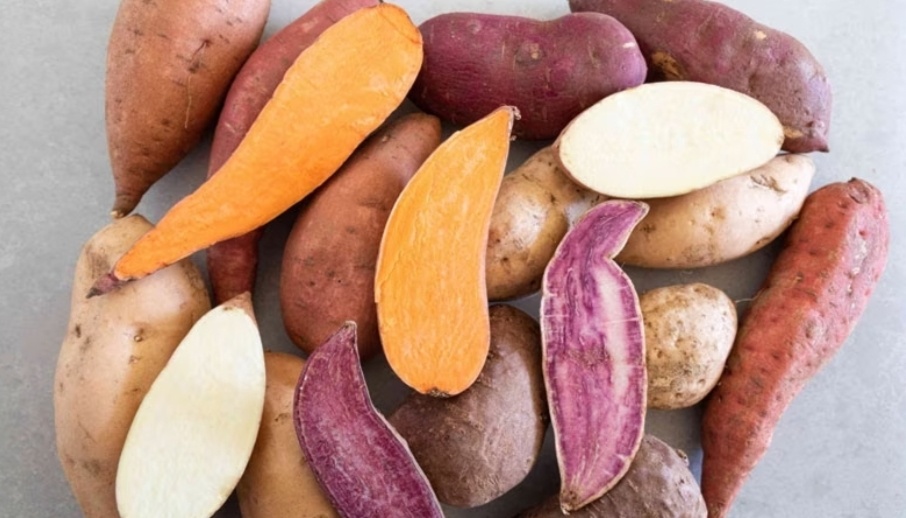
There are no absolute “never eat” rules when it comes to sweet potatoes. However, combining them with heavy fried foods, excessive sugars, large amounts of gas-producing vegetables, highly processed meats, or very acidic dishes may cause digestive discomfort for some individuals.
Nutrition is highly individual. The key is observing how your body responds and adjusting accordingly.
Sweet potatoes remain a nutritious, fiber-rich food with many health benefits. The goal is not restriction — but mindful pairing for better digestion and metabolic balance.