Papaya fruit is widely appreciated for its sweet taste and high vitamin content. However, far less attention is given to another part of the plant: the leaves. For generations, papaya leaves have been used in traditional medicine systems across Asia, Africa, and parts of South America. Today, scientific research is beginning to explore the compounds within these leaves and their potential physiological effects.
While papaya leaves are not a cure-all and should never replace medical treatment, they contain bioactive substances that may support certain aspects of health. Understanding what they can — and cannot — do is essential.
What Makes Papaya Leaves Biologically Active?
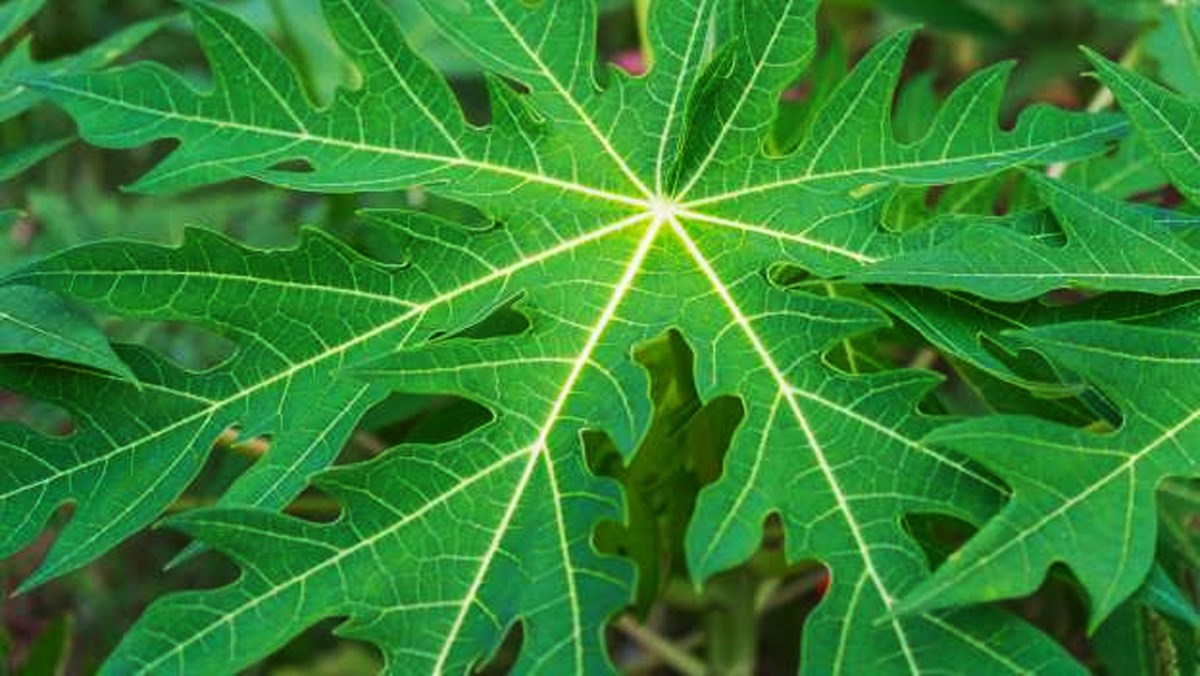
Papaya leaves contain several important compounds, including:
-
Papain and chymopapain (proteolytic enzymes)
-
Flavonoids
-
Alkaloids such as carpaine
-
Phenolic compounds
-
Vitamins A, C, and E
-
Calcium and magnesium (in modest amounts)
These components contribute to antioxidant, anti-inflammatory, and enzyme-supporting properties.
1. Potential Support for Platelet Count
One of the most widely discussed uses of papaya leaf extract is in supporting platelet levels, particularly in cases of viral infections such as dengue fever.
Some small clinical studies have suggested that papaya leaf extract may help increase platelet count in certain patients. Researchers believe flavonoids and other phytochemicals may influence bone marrow activity or reduce platelet destruction.
However:
-
Evidence is still limited.
-
It is not a substitute for hospital care.
-
Severe infections require immediate medical treatment.
Papaya leaf preparations should only be used under medical supervision in serious conditions.
2. Antioxidant Properties
Papaya leaves contain antioxidants that help neutralize free radicals. Oxidative stress is associated with cellular damage and chronic disease development.
Antioxidants in papaya leaves may:
-
Support immune function
-
Protect cells from oxidative stress
-
Reduce inflammation markers
While these effects are promising in laboratory settings, human research is still evolving.
3. Digestive Enzyme Support
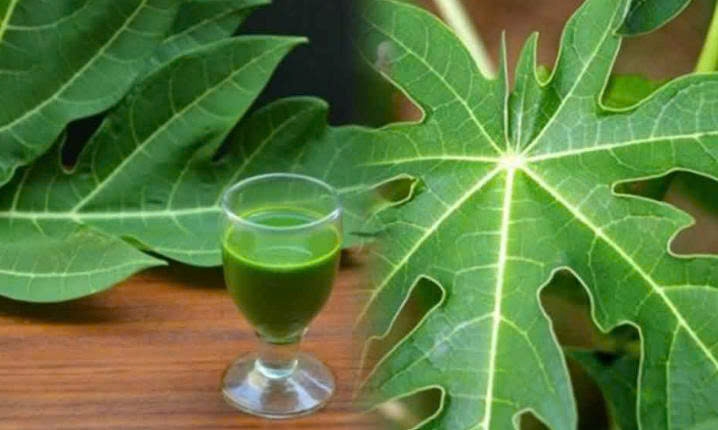
The enzymes papain and chymopapain assist in breaking down proteins. These enzymes are often extracted and used in digestive supplements.
In traditional practices, papaya leaf tea has been used to:
-
Support digestion
-
Reduce bloating
-
Improve appetite
However, concentrated extracts may be irritating to sensitive stomachs if consumed in large amounts.
4. Anti-Inflammatory Potential
Certain compounds in papaya leaves demonstrate anti-inflammatory effects in laboratory studies.
Chronic inflammation plays a role in conditions such as:
-
Cardiovascular disease
-
Metabolic disorders
-
Joint problems
While papaya leaf extract shows potential in reducing inflammatory markers in experimental settings, clinical evidence in humans remains limited.
5. Possible Blood Sugar Regulation Effects
Preliminary animal studies suggest papaya leaf extracts may influence glucose metabolism.
Some research indicates potential improvements in insulin sensitivity or blood sugar control. However:
-
These findings are not yet definitive.
-
Human trials are limited.
-
Individuals with diabetes should not replace prescribed medication with herbal remedies.
Blood sugar management requires professional medical oversight.
6. Immune System Modulation
Traditional medicine often describes papaya leaves as “immune strengthening.”
Modern research suggests certain phytochemicals may modulate immune cell activity. This does not mean papaya leaves prevent illness, but they may contribute to overall immune resilience when combined with balanced nutrition.
7. Antimicrobial Activity
Laboratory studies show papaya leaf extracts may have mild antimicrobial properties against certain bacteria.
It is important to note:
-
Lab results do not equal clinical treatment.
-
Papaya leaf should not replace antibiotics.
-
Infections require proper diagnosis and treatment.
Safety and Side Effects
Despite potential benefits, papaya leaves are not risk-free.
Possible concerns include:
-
Gastrointestinal irritation
-
Allergic reactions
-
Interaction with blood-thinning medications
-
Effects on blood sugar levels
Pregnant women should avoid papaya leaf preparations unless advised by a healthcare professional, as certain compounds may stimulate uterine activity.
High doses of concentrated extracts are not recommended without supervision.
Forms of Consumption
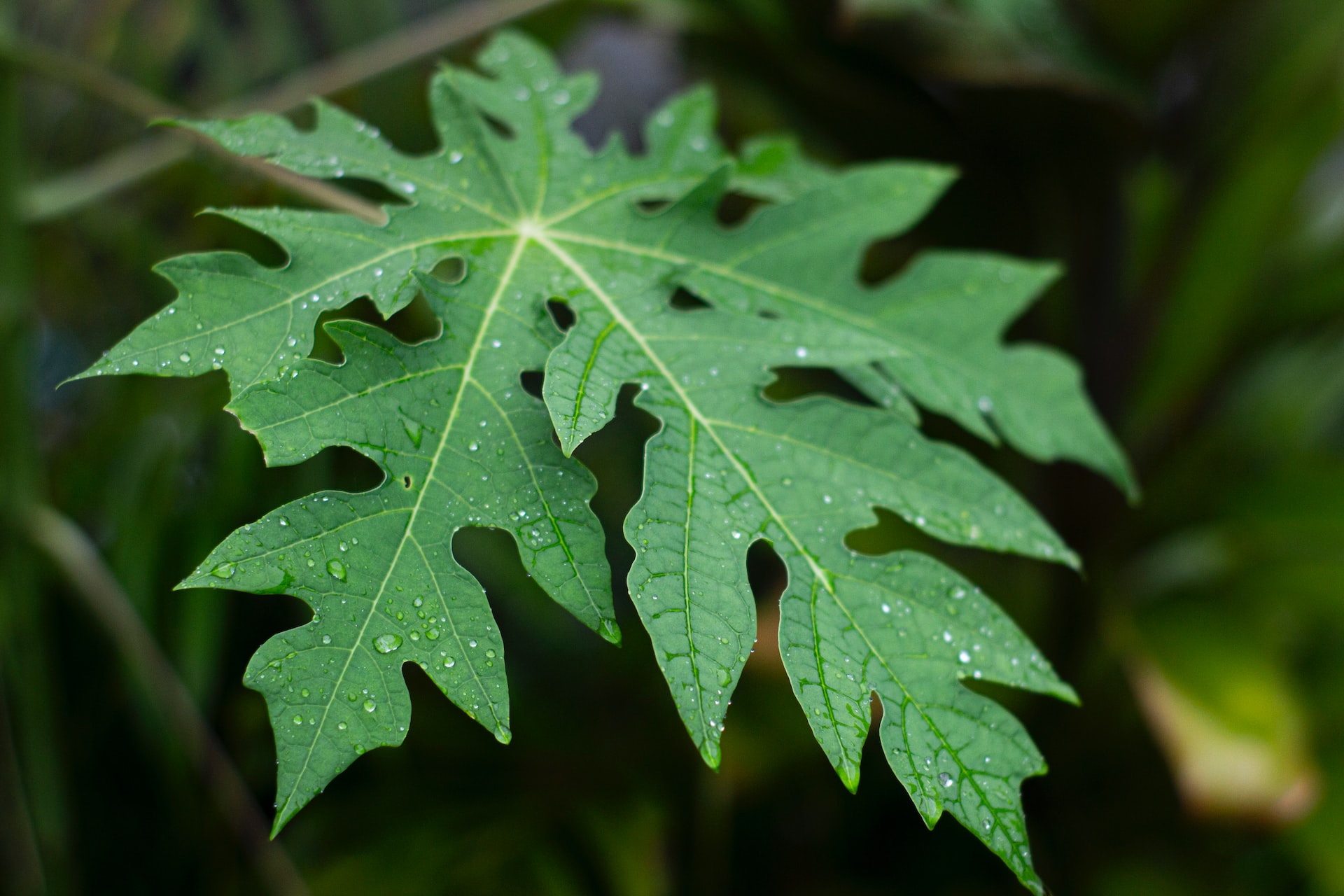
Papaya leaves are commonly consumed as:
-
Herbal tea (boiled leaves)
-
Fresh juice (very bitter in taste)
-
Capsule or extract supplements
If consumed as tea:
-
Use moderate amounts.
-
Avoid long-term daily use without medical advice.
-
Monitor for adverse effects.
What Papaya Leaves Are Not
It is important to correct common misconceptions.
Papaya leaves do not:
-
Cure cancer
-
Replace chemotherapy
-
Detoxify the body in a medical sense
-
Instantly boost immunity
While they contain beneficial compounds, they function as supportive dietary components — not miracle remedies.
The Bigger Picture
The “hidden healing power” of papaya leaves lies not in dramatic claims, but in their phytochemical richness.
They represent:
-
A traditional remedy now being scientifically explored
-
A plant-based source of antioxidants and enzymes
-
A potential complementary support under professional guidance
True healing rarely comes from a single plant. It results from:
-
Balanced nutrition
-
Regular medical care
-
Physical activity
-
Stress management
-
Adequate sleep
Papaya leaves may play a small supportive role within that broader framework.
Final Thoughts
Papaya leaves are a fascinating example of how traditional knowledge and modern science intersect. While early research highlights promising properties — particularly in antioxidant and platelet-related areas — evidence remains limited, and responsible use is essential.
If considering papaya leaf supplements or extracts, consult a qualified healthcare provider, especially if managing chronic conditions.
Nature offers many valuable plants. The key is understanding their limits as well as their potential.
If desired, I can also provide a more SEO-optimized version or a shorter social-media-ready format.