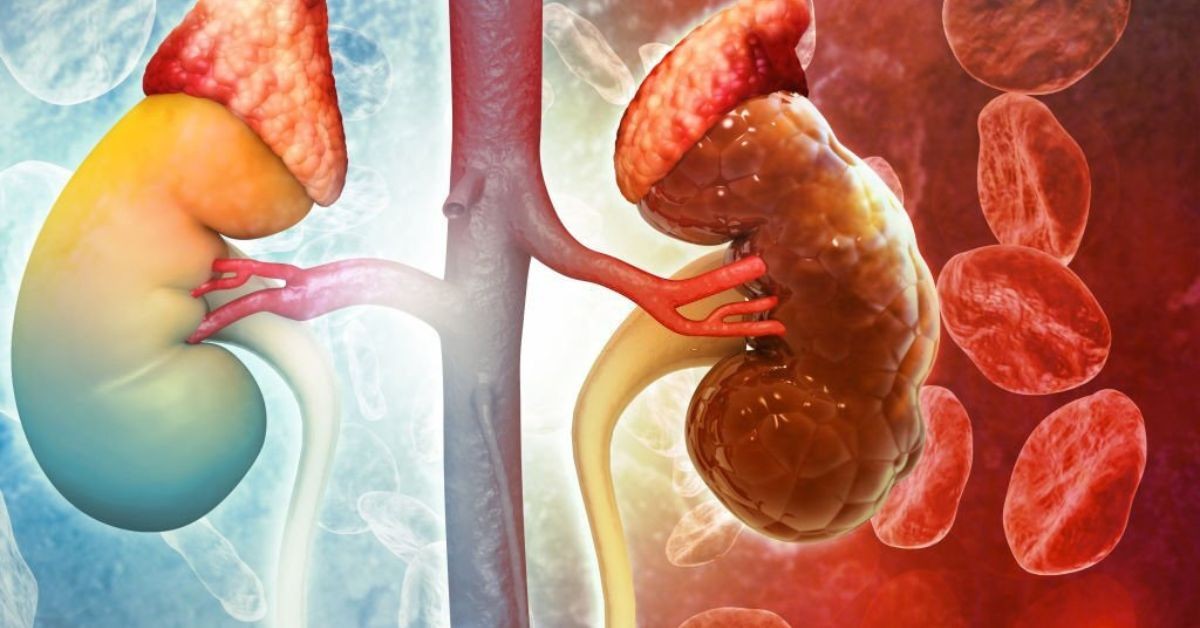
The kidneys are two bean-shaped organs located in the lower back. Their primary function is to filter waste products, excess fluids, and toxins from the blood. They also regulate blood pressure, balance electrolytes, produce hormones that stimulate red blood cell production, and help maintain bone health.
Because the kidneys compensate well in early stages of dysfunction, symptoms may not appear until significant damage has occurred. This is why chronic kidney disease (CKD) is sometimes called a “silent condition.”
Recognizing early warning signals can make a significant difference. Timely medical intervention may slow progression and prevent complications.
Below are 8 warning signs that could indicate serious kidney problems.
1. Persistent Fatigue and Weakness
When kidneys are not functioning properly, waste products accumulate in the blood — a condition known as uremia. This buildup can lead to:
-
Constant fatigue
-
Reduced energy
-
Difficulty concentrating
-
Generalized weakness
Additionally, impaired kidney function reduces the production of erythropoietin, a hormone that stimulates red blood cell production. This can lead to anemia, further contributing to exhaustion.
Persistent fatigue without clear cause warrants medical testing.
2. Swelling in the Feet, Ankles, or Face
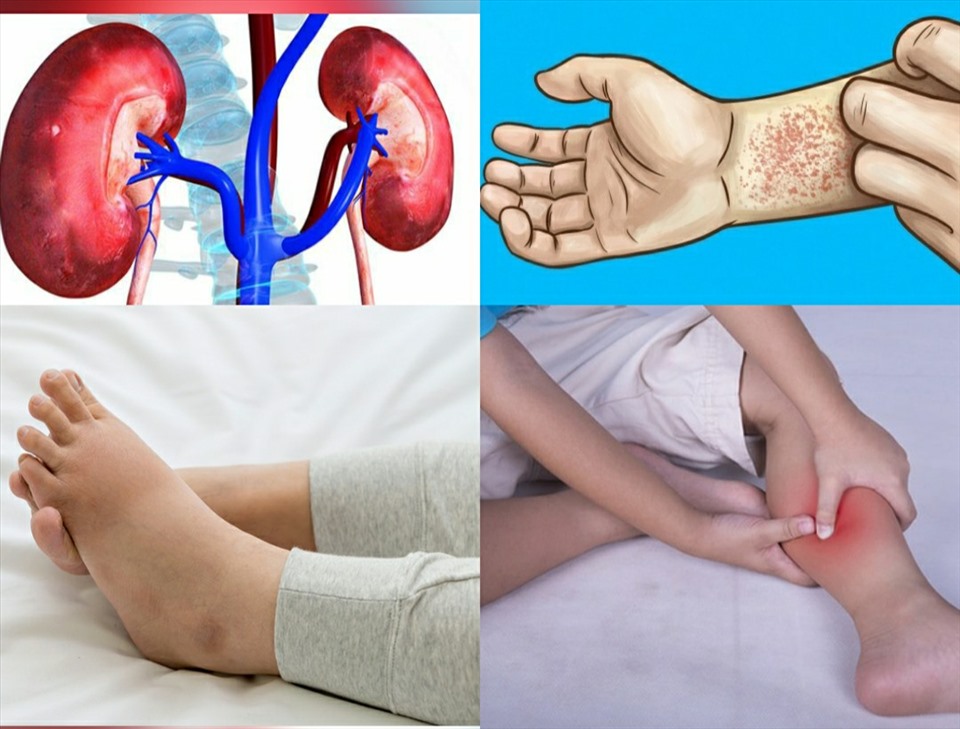
Healthy kidneys regulate fluid balance. When filtration declines, excess sodium and fluid remain in the body, leading to edema.
Common areas affected:
-
Feet
-
Ankles
-
Lower legs
-
Eyelids
Swelling that is persistent, worsening, or accompanied by shortness of breath may indicate kidney or cardiovascular dysfunction.

3. Changes in Urination Patterns
Urine is one of the earliest indicators of kidney health.
Warning signs include:
-
Increased urination at night
-
Reduced urine output
-
Foamy or bubbly urine
-
Dark, cloudy, or blood-tinged urine
-
Pain during urination
Foamy urine may suggest protein leakage (proteinuria), a key marker of kidney damage.
Blood in the urine (hematuria) should always be evaluated.
4. Persistent Lower Back Pain
Pain located near the lower ribs or one side of the back may signal kidney involvement.
Possible causes include:
-
Kidney infection
-
Kidney stones
-
Polycystic kidney disease
Unlike muscular back pain, kidney-related pain may be deep and persistent, sometimes accompanied by fever or urinary symptoms.
5. Nausea, Vomiting, and Loss of Appetite
As toxins accumulate in the bloodstream, digestive symptoms may develop.
These include:
-
Nausea
-
Vomiting
-
Metallic taste in the mouth
-
Reduced appetite
-
Unexplained weight loss
Advanced kidney dysfunction can alter metabolism and digestive function.
6. Persistent Itching (Pruritus)
Chronic itching without visible rash may be linked to kidney disease.
Impaired kidney function can lead to imbalances in:
-
Phosphorus
-
Calcium
-
Waste products
These imbalances may irritate nerve endings in the skin, causing persistent itching.
When itching occurs alongside other kidney-related symptoms, evaluation is recommended.
7. Shortness of Breath
Kidney dysfunction can contribute to shortness of breath in two ways:
-
Fluid accumulation in the lungs (pulmonary edema)
-
Anemia due to reduced erythropoietin production
Difficulty breathing, especially when lying down, requires immediate medical attention.
8. High Blood Pressure That Is Difficult to Control
The kidneys play a central role in blood pressure regulation through fluid balance and hormone signaling.
Chronic high blood pressure can both cause and result from kidney damage.
If hypertension remains uncontrolled despite treatment, kidney function should be assessed.
Who Is at Higher Risk?
Certain groups are more vulnerable to kidney disease:
-
Individuals with diabetes
-
People with hypertension
-
Those with a family history of kidney disease
-
Adults over 60
-
Individuals with cardiovascular disease
Regular screening is particularly important for high-risk populations.
Why Early Detection Matters
Kidney damage often progresses gradually. Early stages may show minimal symptoms but can be detected through:
-
Blood tests (creatinine, eGFR)
-
Urine tests (protein levels)
-
Blood pressure monitoring
When identified early, lifestyle changes and medical management may significantly slow disease progression.
When to Seek Medical Attention
Immediate medical care is necessary if symptoms include:
-
Severe swelling
-
Blood in urine
-
Sudden reduction in urination
-
Severe shortness of breath
-
Confusion
Routine evaluation is recommended if symptoms persist for several weeks.
Final Thoughts
The kidneys perform essential functions quietly and efficiently. When they begin to fail, the body sends signals — but these signals are often subtle and easily dismissed.
Persistent fatigue, swelling, changes in urination, itching, nausea, and high blood pressure are not symptoms to ignore.
Having one symptom does not mean kidney failure is present. However, patterns and persistence matter.
Regular health check-ups, blood pressure control, proper hydration, balanced nutrition, and managing underlying conditions such as diabetes are key to protecting kidney health.
Early awareness leads to early action — and early action protects long-term health.