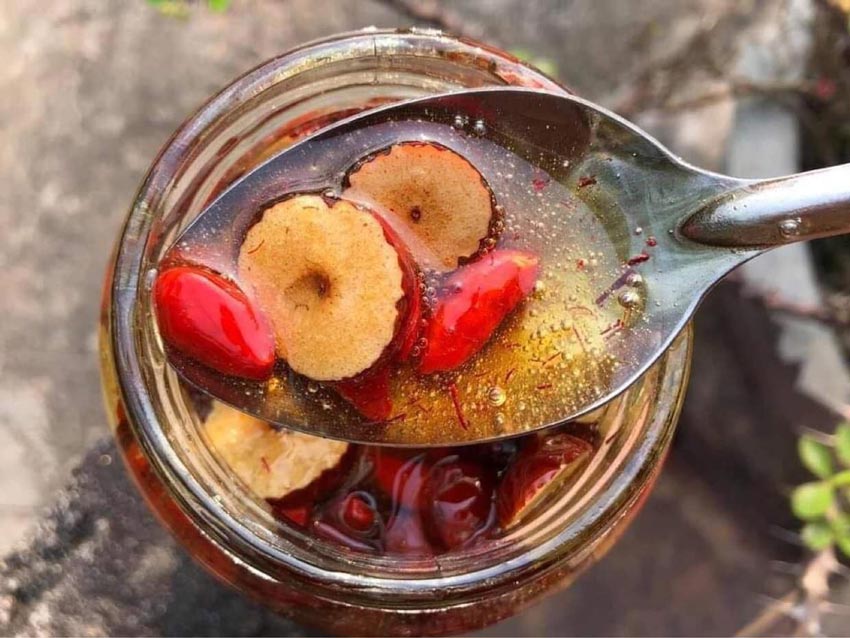
Ginger and red date tea has been consumed for centuries in various traditional health practices, particularly in East Asian cultures. This simple infusion—typically made from fresh ginger slices and dried red dates (jujubes)—is often praised for its warming properties and perceived ability to “boost circulation” and “nourish the body.”
But what actually happens in your body if you drink this tea regularly in the morning?
While no herbal tea is a cure-all, ginger and red date tea contains bioactive compounds that may influence digestion, metabolism, circulation, and overall well-being. Understanding the physiological effects helps separate tradition from evidence.
1. It May Stimulate Digestion
Ginger contains active compounds such as gingerol and shogaol. These compounds have been studied for their effects on the digestive system.
Drinking ginger tea in the morning may:
-
Stimulate gastric motility
-
Support bile production
-
Reduce mild nausea
-
Improve feelings of bloating
Morning consumption may help “wake up” the digestive tract after overnight fasting. For individuals prone to sluggish digestion, this can feel energizing.
Red dates (jujubes) contain natural sugars and fiber, which may gently support gut function as well.

2. It May Support Circulation and Warmth
Ginger is known for its thermogenic properties—it can slightly increase heat production in the body.
This may result in:
-
A mild warming sensation
-
Increased peripheral circulation
-
Temporary rise in metabolic activity
For people who feel cold easily or experience cold hands and feet, morning ginger tea may create a subjective feeling of warmth.
However, this is a mild physiological effect—not a dramatic metabolic booster.
3. It Provides Antioxidant Support
Both ginger and red dates contain antioxidants.
Ginger provides:
-
Gingerols
-
Shogaols
-
Zingerone
Red dates contain:
-
Vitamin C
-
Flavonoids
-
Polysaccharides
Antioxidants help neutralize free radicals, which are associated with cellular stress. Over time, a diet rich in antioxidants may contribute to better overall cellular health.
Drinking this tea daily adds small but consistent amounts of these compounds.

4. It May Influence Blood Sugar Regulation
Some research suggests ginger may help improve insulin sensitivity and modestly reduce fasting blood glucose in certain individuals.
Red dates contain natural sugars, so the overall effect depends on preparation. When used in moderation (without added sugar), the tea is unlikely to spike blood glucose significantly.
For individuals with diabetes, monitoring blood sugar response is important, as herbal remedies should not replace prescribed treatments.
5. It May Support Immune Function
Ginger has mild antimicrobial properties and may support immune signaling pathways.
Red dates are traditionally used to “strengthen vitality,” and modern research suggests their polysaccharides may support immune modulation.
Regular morning intake may:
-
Provide hydration
-
Supply antioxidants
-
Support general immune resilience
However, it does not prevent infections or replace vaccines or medical care.
6. It May Improve Energy Perception
Some people report feeling more alert after drinking ginger tea.
Possible reasons include:
-
Mild circulatory stimulation
-
Improved digestion
-
Warm fluid intake after fasting
Red dates also contain natural carbohydrates, which may provide a small energy boost.
This effect is generally subtle and varies between individuals.
7. It May Support Menstrual Comfort (For Some Women)
Ginger has been studied for its potential role in reducing menstrual discomfort due to its anti-inflammatory and analgesic properties.
Regular consumption may contribute to:
-
Reduced cramping intensity
-
Improved circulation
-
Relaxation of smooth muscle
However, effects vary and should not replace medical evaluation for severe pain.
8. It Contributes to Morning Hydration
After 6–8 hours of sleep, the body is mildly dehydrated.
Starting the day with warm herbal tea:
-
Rehydrates tissues
-
Stimulates bowel movement
-
Supports kidney filtration
-
Helps regulate body temperature
Sometimes the benefit is simply hydration—not the herb itself.
Possible Side Effects or Considerations
While generally safe for most people, regular consumption may not be suitable for everyone.
Ginger may:
-
Cause heartburn in sensitive individuals
-
Increase bleeding risk at very high doses
-
Interact with blood-thinning medications
Red dates:
-
Contain natural sugars (use moderation if monitoring glucose)
-
May contribute extra calories if consumed in large quantities
Pregnant individuals or those with chronic conditions should consult a healthcare provider before daily use.
Is It a “Miracle Drink”?
No.
Ginger and red date tea is not a detox cure, hormone reset, or metabolic miracle.
What it likely does is:
-
Provide antioxidants
-
Support digestion
-
Promote hydration
-
Offer mild circulatory stimulation
-
Contribute to overall dietary quality
The effects are cumulative and modest—not dramatic or instantaneous.
How to Prepare It Properly
Simple recipe:
-
3–5 slices fresh ginger
-
2–4 dried red dates (pitted)
-
2 cups water
Simmer for 10–15 minutes.
Strain and drink warm.
Avoid adding excessive sugar.
Final Thoughts
If you regularly drink ginger and red date tea in the morning, your body may experience subtle but beneficial changes—particularly in digestion, circulation, antioxidant intake, and hydration.
Its impact is supportive rather than curative. The real benefit likely comes from consistent, moderate use combined with an overall healthy lifestyle.
As with any dietary habit, balance matters. When used thoughtfully, ginger and red date tea can be a warm, nourishing start to the day—but it is one small piece of a much larger health picture.