Insulated bottles and thermoses have become everyday essentials. From coffee during the morning commute to herbal tea at the gym, reusable containers are widely used for convenience and environmental reasons.
However, recent safety discussions have raised concerns about possible heavy metal exposure — particularly lead — from certain thermos products. While high-quality stainless-steel containers from reputable manufacturers are generally considered safe, low-quality or damaged products may pose risks under specific conditions.
Understanding how exposure can occur, and which types of beverages may increase risk, is essential for protecting long-term health.
Understanding Lead Exposure
Lead is a toxic heavy metal that has no safe level in the human body. Even small amounts accumulated over time can affect multiple organ systems, including:
-
The nervous system
-
The kidneys
-
The cardiovascular system
-
The reproductive system
In children, lead exposure is particularly dangerous because it can interfere with brain development. In adults, chronic exposure has been linked to cognitive decline, peripheral neuropathy, and high blood pressure.
The key issue is not thermos use itself — but whether certain products contain lead components that can leach into beverages.
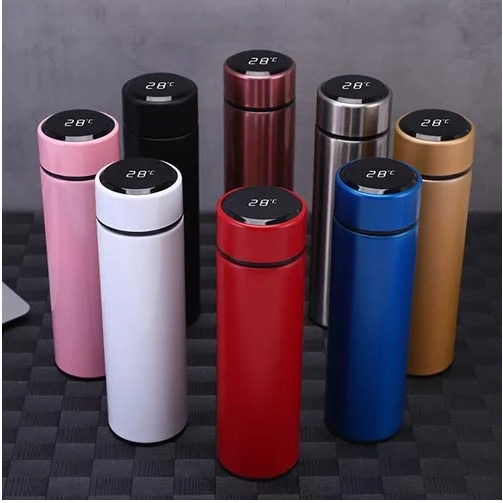
How Could a Thermos Contain Lead?
Most modern insulated bottles are made of stainless steel and are lead-free in areas that contact liquids. However, in some lower-cost vacuum-insulated products:
-
Lead may be used in soldering the vacuum seal at the base.
-
Decorative paint or external coatings may contain trace amounts of lead.
-
Damage to the bottom seal may expose internal components.
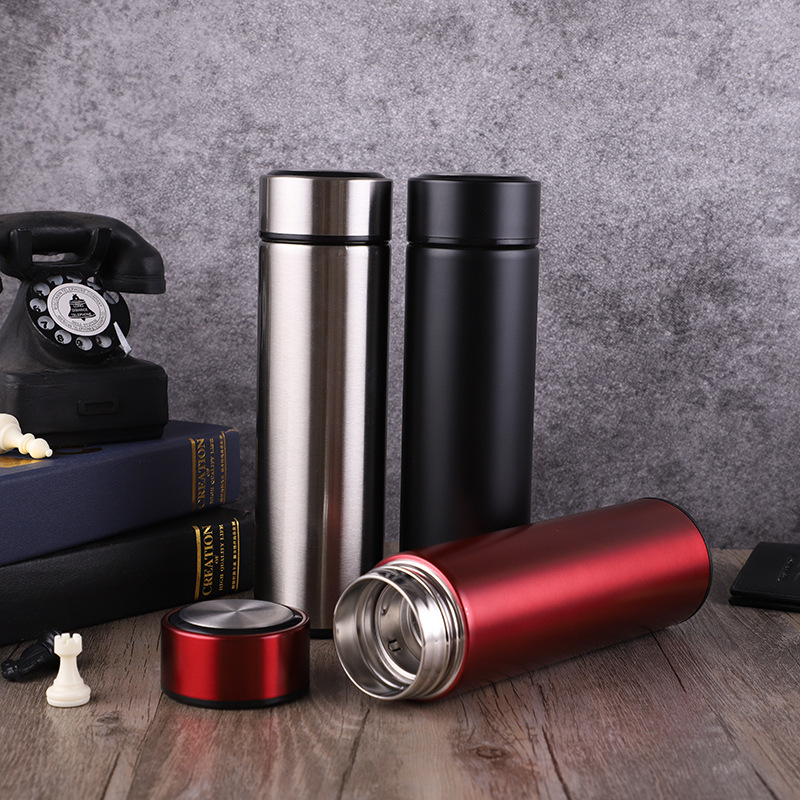
If the sealing point at the bottom of a thermos becomes damaged — such as through dropping or impact — there is a theoretical risk that lead-containing solder could become exposed.
Importantly, reputable brands typically follow strict safety standards and use alternative sealing methods. The risk is primarily associated with poorly manufactured or damaged containers.
Long-Term Exposure Concerns
Lead poisoning rarely causes immediate dramatic symptoms. Instead, it often develops gradually with prolonged exposure.
Possible symptoms of chronic lead exposure include:
-
Persistent fatigue
-
Headaches
-
Memory difficulties
-
Irritability
-
Abdominal discomfort
-
Numbness or tingling
In severe cases, long-term exposure can contribute to neurological damage.
Because symptoms are non-specific, people may not recognize exposure until significant accumulation has occurred.
3 Types of Drinks to Avoid Storing in Low-Quality or Damaged Thermoses
While thermoses themselves are not inherently dangerous, certain types of beverages may increase the likelihood of metal leaching if a product is compromised.
1. Acidic Drinks
Examples:
-
Lemon water
-
Citrus juice
-
Vinegar-based drinks
-
Tomato juice
Acidic liquids can accelerate corrosion and increase the leaching of metals from damaged containers.
If the inner lining is scratched or the base seal is compromised, acidity may increase the release of contaminants.
High-quality stainless steel (food-grade 18/8 or 304) is resistant to corrosion. However, low-grade materials may degrade over time when exposed to acidic beverages daily.
2. Very Hot Liquids Stored for Extended Periods
Examples:
-
Boiling water
-
Coffee
-
Tea kept for 8–12 hours
Heat increases chemical reaction rates. When combined with prolonged storage time, high temperatures may enhance the migration of trace metals from substandard materials.
While premium thermoses are designed specifically for hot beverages, damaged or poorly manufactured products may degrade faster under constant heat exposure.
3. Fermented or Carbonated Drinks
Examples:
-
Kombucha
-
Sparkling water
-
Carbonated beverages
Carbonation increases acidity and internal pressure.
Pressure combined with acidity can stress seals and internal linings, particularly in containers not designed for carbonated drinks.
Some manufacturers explicitly warn against storing carbonated beverages in vacuum flasks.
How to Reduce Risk
The solution is not to avoid thermoses altogether, but to use them safely and wisely.
Choose High-Quality Products
-
Look for food-grade stainless steel (304 or 18/8).
-
Avoid unknown or unverified brands.
-
Check for compliance with safety certifications.
Inspect Regularly
-
Examine the bottom cap for damage.
-
Discontinue use if the vacuum seal is compromised.
-
Replace containers that show rust, cracks, or internal peeling.
Avoid Long-Term Storage
-
Do not store beverages for multiple days.
-
Empty and clean after each use.
Clean Properly
-
Wash regularly with mild detergent.
-
Avoid harsh abrasives that scratch the interior.
Are All Thermoses Dangerous?
No.
There is no evidence that properly manufactured stainless-steel thermoses from reputable brands routinely cause lead poisoning.
Public concern has primarily arisen from isolated cases involving defective or poorly regulated products.
Risk depends on:
-
Product quality
-
Structural integrity
-
Duration of use
-
Type of beverage stored
The majority of consumers using high-quality containers are unlikely to experience lead exposure from normal use.
When to Seek Medical Testing
If someone experiences persistent unexplained symptoms and suspects possible heavy metal exposure, a simple blood lead test can provide clarity.
High-risk groups include:
-
Individuals using imported, low-cost containers without safety certification
-
Children using damaged insulated bottles
-
People exposed to other environmental lead sources
Final Thoughts
Reusable thermoses are practical, environmentally friendly tools that most people can use safely. However, like any product that comes into contact with food and beverages, quality matters.
Long-term exposure to lead is a serious health concern — but risk typically arises from defective or substandard products, not from thermos use in general.
Choosing certified products, inspecting them regularly, and avoiding prolonged storage of acidic or high-temperature liquids in damaged containers are simple steps that can significantly reduce risk.
In matters involving potential heavy metal exposure, awareness is powerful — but evidence-based understanding is even more important.