Sitz baths have long been used as a gentle method to soothe discomfort in the lower pelvic area. A sitz bath involves soaking the hips and buttocks in warm water for a short period of time, typically to promote cleanliness, relaxation, and localized comfort.
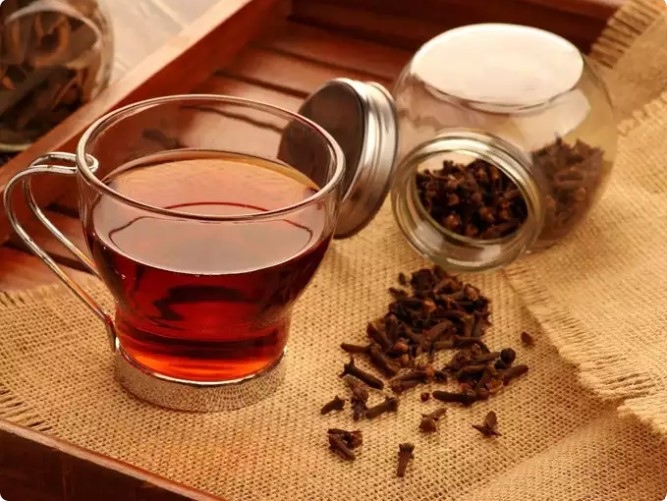
In recent years, some women have explored adding natural ingredients such as clove (Syzygium aromaticum) to sitz baths. Cloves contain aromatic compounds that have been traditionally valued for their fragrance and mild antimicrobial properties. However, it is important to approach such practices with balanced understanding and proper safety precautions.
This guide explains what a clove water sitz bath is, potential benefits, how to prepare it safely, and when to avoid it.
What Is a Sitz Bath?
A sitz bath is a shallow warm-water soak designed to cleanse and comfort the perineal area — the region between the vulva and anus.
It is commonly recommended by healthcare providers for:
-
Postpartum recovery
-
Minor perineal irritation
-
Hemorrhoid discomfort
-
Post-surgical care (under medical supervision)
The warmth of the water promotes blood circulation, relaxes muscles, and supports gentle cleansing.
Adding herbal infusions, such as chamomile or calendula, is sometimes practiced in traditional care routines. Clove water is one such addition that some individuals use for its aroma and natural properties.

Why Clove?
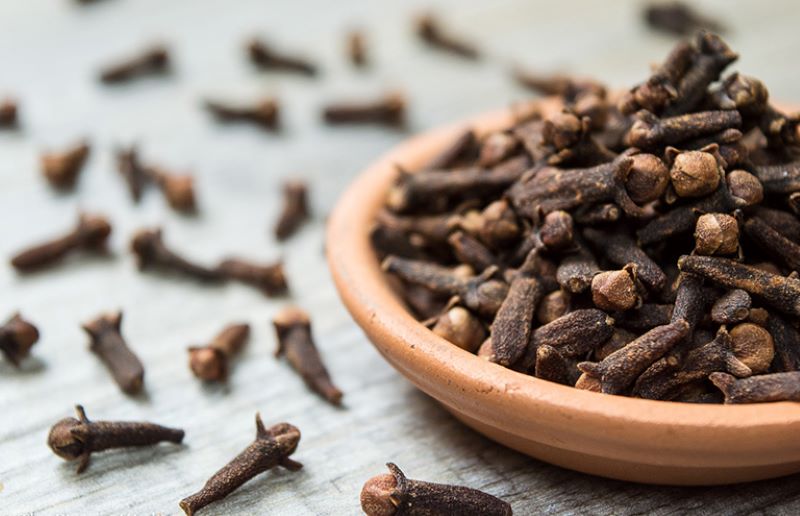
Cloves contain several active compounds, most notably eugenol. Eugenol has been studied for its:
-
Mild antimicrobial activity
-
Anti-inflammatory properties
-
Analgesic (pain-relieving) effects in topical applications
Because of these characteristics, clove has historically been used in oral care (such as for tooth discomfort) and in certain traditional hygiene practices.
However, the skin in the vulvar and perineal region is delicate and sensitive. Any herbal preparation must be diluted properly to avoid irritation.
Potential Benefits of Clove Water Sitz Baths
It is important to clarify that clove water sitz baths are not a medical treatment for infections or gynecological diseases. They may, however, provide gentle supportive comfort in specific situations.
1. Soothing Mild Irritation
Warm water alone can relieve minor external irritation. When diluted appropriately, clove water may contribute mild soothing effects due to its anti-inflammatory compounds.
2. Supporting Hygiene
A sitz bath can assist in maintaining external cleanliness, particularly during menstruation or postpartum recovery. Clove’s mild antimicrobial properties may contribute to freshness when used properly.
3. Relaxation and Circulation
Warm sitz baths help relax pelvic muscles and increase localized blood flow. This may promote comfort after long periods of sitting or physical strain.
4. Aromatic Comfort
Clove has a warm, spicy scent that some individuals find calming. Aromatherapy-like effects may contribute to a sense of well-being during the soak.
How to Prepare a Clove Water Sitz Bath Safely
Proper preparation is essential to prevent irritation.
Ingredients:
-
3–5 whole cloves (do not use clove essential oil directly on sensitive skin)
-
1 liter (4 cups) of water
Preparation Steps:
-
Bring water to a gentle boil.
-
Add whole cloves.
-
Simmer for 5–10 minutes.
-
Turn off heat and allow the infusion to cool.
-
Strain out the cloves completely.
-
Add the strained clove water to a basin of warm (not hot) clean water.
The final solution should be very diluted. Strong concentrations may irritate sensitive tissue.

Soaking Instructions:
-
Sit in the basin for 10–15 minutes.
-
Ensure water is comfortably warm, not hot.
-
Pat dry gently with a clean towel afterward.
-
Avoid rubbing.
This can be done once or twice per week unless advised otherwise by a healthcare professional.
Important Safety Precautions
Because the vulvar area is highly sensitive, safety should always come first.
Do NOT use clove sitz baths if:
-
There are open wounds unless approved by a doctor
-
You experience burning or stinging during use
-
You have a known sensitivity to clove or spices
-
You are experiencing symptoms of infection (itching, abnormal discharge, strong odor, pain)
Clove essential oil should never be added directly to bath water for sitz use. Essential oils are highly concentrated and can cause chemical burns if not diluted properly with carrier oils — and carrier oils are not suitable for sitz baths.
If irritation occurs, discontinue immediately and rinse with clean water.
When to See a Doctor
While sitz baths may support comfort, they do not treat underlying medical conditions.
Seek medical evaluation if you experience:
-
Persistent itching
-
Unusual discharge
-
Pelvic pain
-
Foul odor
-
Fever
-
Painful urination
-
Recurrent irritation
These symptoms may indicate infections or other gynecological conditions that require proper diagnosis and treatment.

Hygiene Best Practices Beyond Sitz Baths
Healthy vulvar care generally includes:
-
Washing with plain warm water
-
Avoiding harsh soaps or scented products
-
Wearing breathable cotton underwear
-
Changing out of wet clothing promptly
-
Maintaining balanced diet and hydration
The vagina is self-cleaning and does not require internal cleansing or douching.
Final Thoughts
Clove water sitz baths may offer gentle external comfort and relaxation when prepared safely and used in moderation. However, they should be viewed as a supportive hygiene practice — not a cure or treatment for medical conditions.
The key principles are:
-
Dilution
-
Moderation
-
Listening to your body
-
Seeking medical advice when symptoms persist
Natural remedies can complement personal care routines, but evidence-based medical guidance remains essential for diagnosing and managing gynecological health concerns.