Honey is one of the most commonly adulterated food products in the world. Because pure honey can be expensive and in high demand, some manufacturers dilute it with sugar syrups such as corn syrup, rice syrup, or artificial sweeteners. In some cases, products labeled as “honey” may contain very little genuine bee-produced nectar.
For consumers, distinguishing real honey from counterfeit or adulterated versions can be challenging. While laboratory testing is the only definitive method, there are several indicators and practical steps that can help you assess quality.
Understanding how honey is produced — and how it is commonly altered — is the first step.
What Is Real Honey?
Authentic honey is produced by bees from flower nectar. Bees collect nectar, partially digest it with enzymes, and store it in honeycombs where water content gradually evaporates. The result is a thick, naturally sweet substance composed primarily of:
-
Fructose
-
Glucose
-
Water (usually 15–20%)
-
Trace enzymes
-
Organic acids
-
Pollen
-
Antioxidants
Real honey is chemically complex. Counterfeit honey, on the other hand, often consists of refined sugar syrups lacking the enzymes and micronutrients found in natural honey.
![PHOTO STORY] Cách phân biệt mật ong thật giả, que kem ngon, miếng thịt chuẩn đơn giản và nhanh chóng](https://sohanews.sohacdn.com/2018/5/4/photo-2-15254196807681125534021.jpg)
Common Types of Honey Adulteration
Understanding fraud methods helps you know what to look for.
-
Dilution with high-fructose corn syrup
-
Addition of rice or beet syrup
-
Overheating and ultra-filtration to remove pollen
-
Mislabeling geographic origin
-
Artificial flavoring and coloring
Some counterfeit products are difficult to detect without specialized equipment.
1. Check the Ingredient Label Carefully
The simplest first step is reading the label.
Real honey should list only one ingredient: 100% honey.
Be cautious if you see:
-
Corn syrup
-
Glucose syrup
-
Sugar syrup
-
Added flavoring
-
Artificial coloring
Also look for:
-
Country of origin
-
Raw or unfiltered labeling
-
Reputable certification seals
Keep in mind that some adulterated honey may still be labeled simply as “honey,” so labeling alone is not definitive.
2. Examine Texture and Consistency
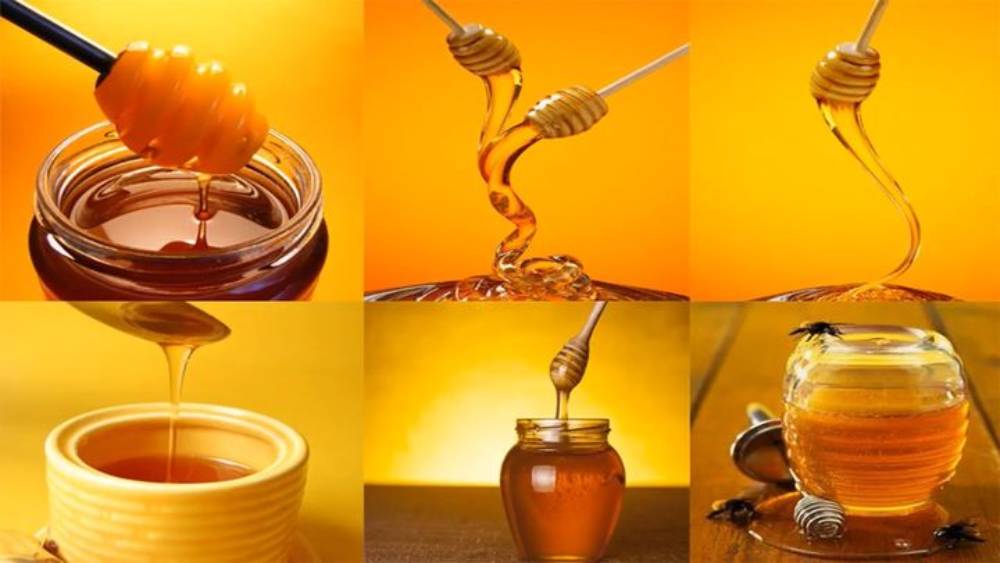
Pure honey has a thick, viscous texture. When poured, it flows slowly in a continuous ribbon.
Adulterated honey may:
-
Drip quickly like water
-
Separate into layers
-
Feel unusually thin
However, consistency varies by floral source and temperature. Warm honey flows more easily than cold honey.
This test is helpful but not conclusive.
3. Observe Crystallization
One common misconception is that crystallized honey is fake. In reality, crystallization is a natural process.
Raw, unprocessed honey often crystallizes over time due to glucose content.
Factors influencing crystallization:
-
Floral source
-
Storage temperature
-
Glucose-to-fructose ratio
Fake honey containing high-fructose syrup may remain liquid longer, but some real honeys also stay liquid depending on composition.
Therefore, crystallization alone does not determine authenticity.
4. The Water Dissolving Test (With Caution)
A popular home test involves placing a spoonful of honey into a glass of water.
Claim:
-
Pure honey sinks and dissolves slowly.
-
Fake honey dissolves quickly.
Reality:
This method is unreliable. Many genuine honeys dissolve quickly when stirred. Viscosity and temperature greatly affect results.
This test should not be considered scientifically accurate.
5. The Flame Test (Not Recommended)
Another common myth suggests dipping a matchstick in honey and lighting it.
Claim:
-
Pure honey burns.
-
Fake honey does not.
This test is unsafe and inaccurate. Moisture content affects burning, and many factors influence flammability.
Do not rely on this method.
6. Check for Aroma and Taste
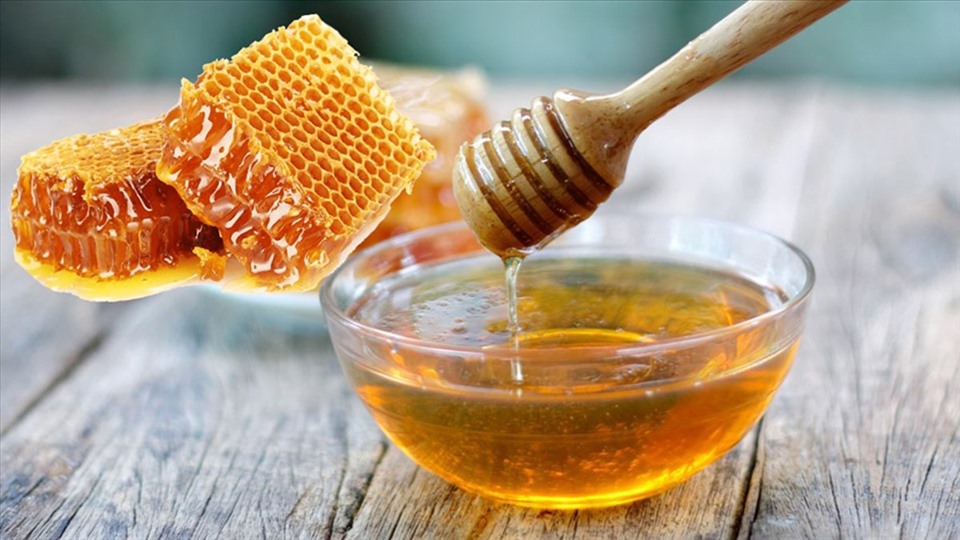
Authentic honey has a complex aroma that reflects its floral origin.
You may notice:
-
Floral notes
-
Herbal undertones
-
Slight acidity
Fake honey often tastes:
-
One-dimensional
-
Overly sweet
-
Similar to plain sugar syrup
However, taste alone is subjective and depends on experience.
7. Look for Pollen (If Raw)
Raw, unfiltered honey may contain tiny pollen particles.
Ultra-filtered honey removes pollen, sometimes to obscure geographic origin.
While the presence of pollen suggests authenticity, its absence does not automatically mean fraud, as filtration is sometimes used for clarity.
8. Consider the Price
Extremely cheap honey is a red flag.
Authentic honey requires:
-
Beekeeping labor
-
Seasonal harvesting
-
Proper storage
If the price is significantly below market average, adulteration is more likely.
9. Buy from Reputable Sources
The most reliable way to ensure authenticity is to purchase from:
-
Local beekeepers
-
Trusted brands
-
Farmers’ markets
-
Certified organic producers
Direct sourcing reduces supply chain complexity and increases transparency.
10. Laboratory Testing Is the Only Definitive Method
For complete certainty, laboratory analysis can detect adulteration using:
-
Isotope ratio testing
-
Nuclear magnetic resonance (NMR)
-
High-performance liquid chromatography
These tests identify foreign sugars and confirm authenticity.
However, such testing is typically used by regulatory agencies, not individual consumers.
What Real Honey Should Feel Like
Authentic honey generally:
-
Is thick but varies by type
-
May crystallize naturally
-
Has a complex flavor profile
-
Contains no added ingredients
-
Is not overly watery
But remember: no single home test guarantees accuracy.
Why Honey Fraud Is Common
Honey is vulnerable to adulteration because:
-
It is widely consumed
-
Production is seasonal
-
It is expensive
-
Supply chains are global
As demand increases, fraudulent practices may rise.
Final Thoughts
Identifying real honey from counterfeit products requires a combination of label awareness, sensory evaluation, and smart purchasing decisions. While home tests can provide hints, they are not scientifically reliable.
The safest approach is to buy from reputable sources and be cautious of unusually low prices.
True honey is a natural, enzyme-rich product created through complex biological processes by bees. Protecting its authenticity supports both consumer health and ethical beekeeping practices.