Ginger is one of the most versatile and widely used roots in kitchens around the world. From teas and stir-fries to soups and baked goods, its warm, spicy flavor adds depth to countless dishes. Beyond cooking, ginger is also valued for its traditional use in supporting digestion and overall wellness.
The good news is that growing ginger at home is surprisingly simple. You don’t need a large garden, special tools, or advanced gardening skills. With the right conditions and a bit of patience, you can harvest fresh ginger year-round.
Here’s a complete guide to help you get started.
Understanding How Ginger Grows
Ginger (Zingiber officinale) is not grown from seeds. Instead, it grows from a rhizome — an underground stem that spreads horizontally beneath the soil.
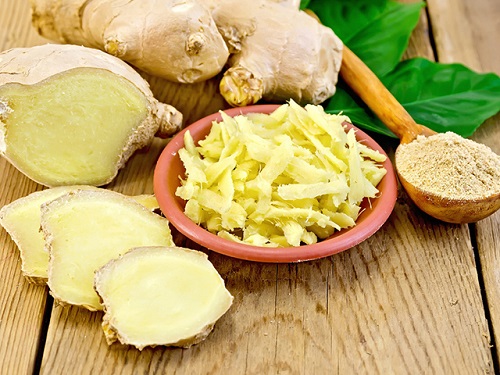
The part you buy at the grocery store is actually the rhizome. Each “finger” or section can produce new shoots and roots when planted properly.
Ginger thrives in:
-
Warm temperatures (20–30°C / 68–86°F)
-
Indirect sunlight or partial shade
-
Moist but well-drained soil
-
Humid conditions
Because it prefers tropical climates, growing ginger indoors or in containers works well in many regions.
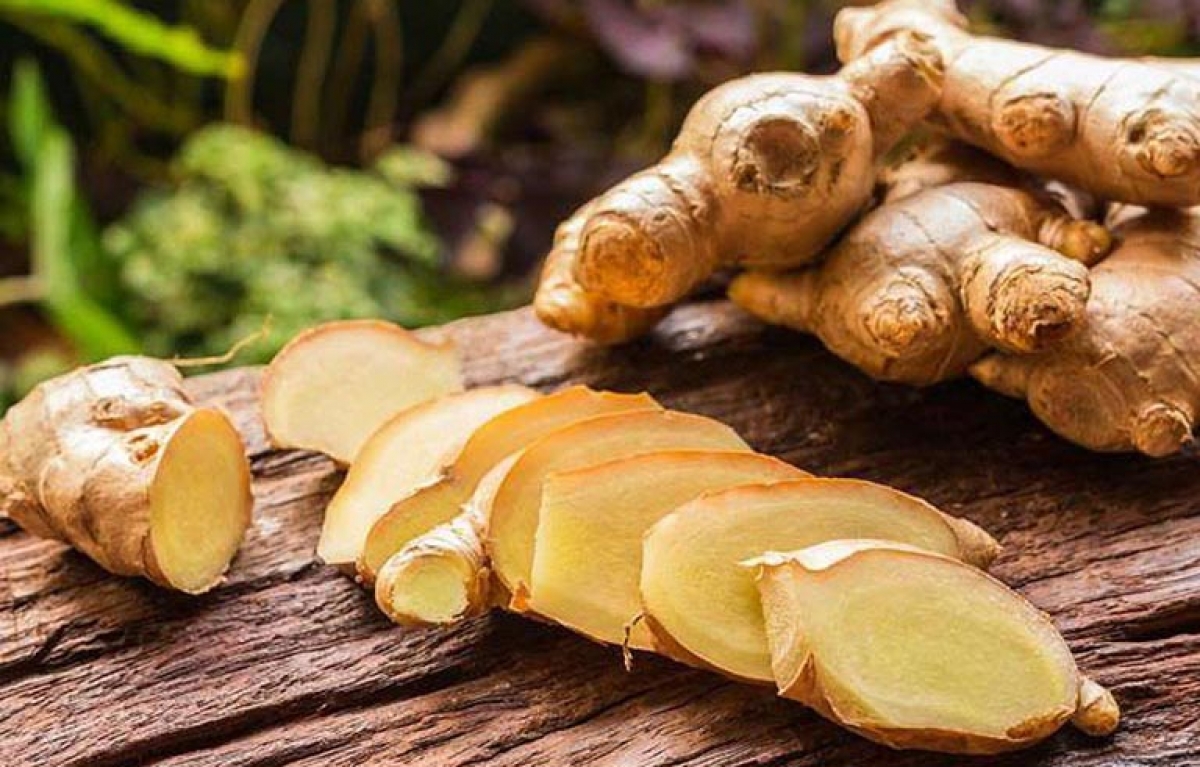
Step 1: Choose the Right Ginger Root
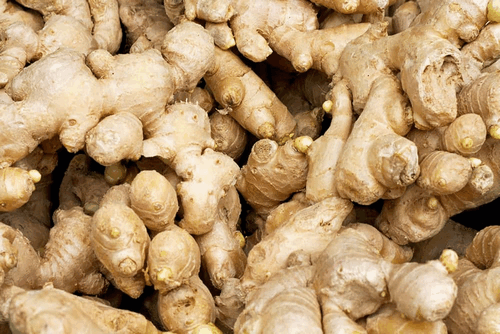
Start with fresh, organic ginger from a grocery store or farmer’s market.
Look for:
-
Firm texture
-
Smooth skin
-
Visible “eyes” (small buds or growth points)
-
No mold or shriveling
Organic ginger is recommended because non-organic roots may be treated with growth inhibitors to prevent sprouting.
Step 2: Prepare the Ginger for Planting
If the ginger root is large, you can cut it into smaller pieces. Each piece should:
-
Be about 2–5 cm (1–2 inches) long
-
Have at least one visible bud or “eye”
After cutting, allow the pieces to dry for 12–24 hours. This helps prevent rotting once planted.
Step 3: Select the Right Container or Garden Spot
Ginger grows outward rather than downward, so choose:
-
A wide, shallow pot with drainage holes
-
At least 20–30 cm (8–12 inches) deep
If planting outdoors, choose a spot with:
-
Partial shade
-
Loose, rich soil
-
Protection from strong winds
Good drainage is essential to prevent root rot.
Step 4: Planting the Ginger
-
Fill your container with well-draining potting soil rich in compost.
-
Place the ginger pieces flat on the soil, with buds facing upward.
-
Cover with 2–5 cm (1–2 inches) of soil.
-
Water gently until the soil is moist but not soggy.
Avoid overwatering at this stage.
Step 5: Caring for Your Ginger Plant
Watering
Keep the soil consistently moist but not waterlogged. Ginger prefers steady moisture but cannot tolerate standing water.
Light
Provide indirect sunlight or filtered light. Too much direct sun may scorch the leaves.
Temperature
Maintain warmth. Ginger grows best in temperatures above 20°C (68°F).
Humidity
If growing indoors in dry climates, mist the plant occasionally or place a tray of water nearby to increase humidity.
Step 6: Watching It Grow
After 2–4 weeks, green shoots should begin to emerge from the soil. These shoots will grow into tall, narrow leaves resembling bamboo-like stalks.
Growth may appear slow at first, but once established, ginger spreads gradually underground.

Step 7: Harvesting Ginger
You can harvest ginger in two ways:
1. Young (Baby) Ginger
After about 4–5 months, you can gently dig around the edges and harvest small pieces without removing the entire plant.
Baby ginger is:
-
Milder in flavor
-
More tender
-
Easier to slice
2. Mature Ginger
Full maturity takes 8–10 months. When leaves begin to yellow and dry out, the plant is ready for full harvest.
Carefully lift the entire root system, brush off soil, and cut away the rhizomes.
How to Grow Ginger Year-Round
To enjoy continuous supply:
-
Leave a portion of the rhizome in the soil to regrow
-
Replant part of each harvest
-
Grow indoors during cold seasons
-
Use containers so you can move plants inside during winter
In colder climates, bring pots indoors before temperatures drop below 10°C (50°F).
Common Problems and Solutions
Yellow Leaves
May indicate overwatering or poor drainage.
Slow Growth
Often due to low temperature or insufficient nutrients.
Rotting Roots
Caused by waterlogged soil. Ensure proper drainage.
Pests
Aphids or spider mites may appear. Use mild natural pest control methods if needed.
Benefits of Growing Your Own Ginger
Growing ginger at home provides:
-
Fresh, chemical-free roots
-
Cost savings over time
-
A sustainable kitchen herb
-
A decorative tropical plant
Freshly harvested ginger often has stronger aroma and flavor compared to store-bought versions.
Final Thoughts
Growing ginger at home is easier than many people realize. With warmth, moisture, and patience, you can cultivate a steady supply of fresh ginger right from your kitchen or balcony.
You don’t need a large garden — just a pot, a piece of ginger root, and the right conditions.
With consistent care, you can enjoy fresh ginger throughout the year, adding both flavor and tradition to your meals.
Sometimes the most rewarding harvest begins with something as simple as a root from your grocery store.