Be Cautious if You Notice Red Palms or Unusual Redness
Many people recognize red palms as a possible sign of liver disease. However, palmar redness can also be a warning sign of other serious underlying health conditions.
What Is Palmar Erythema?
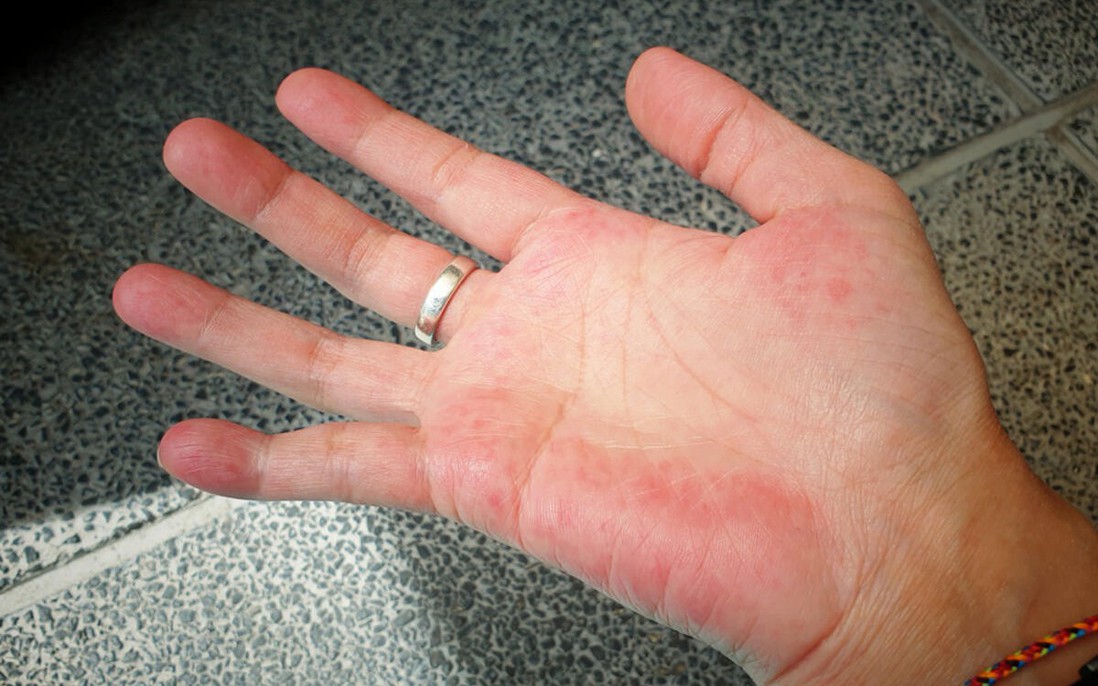
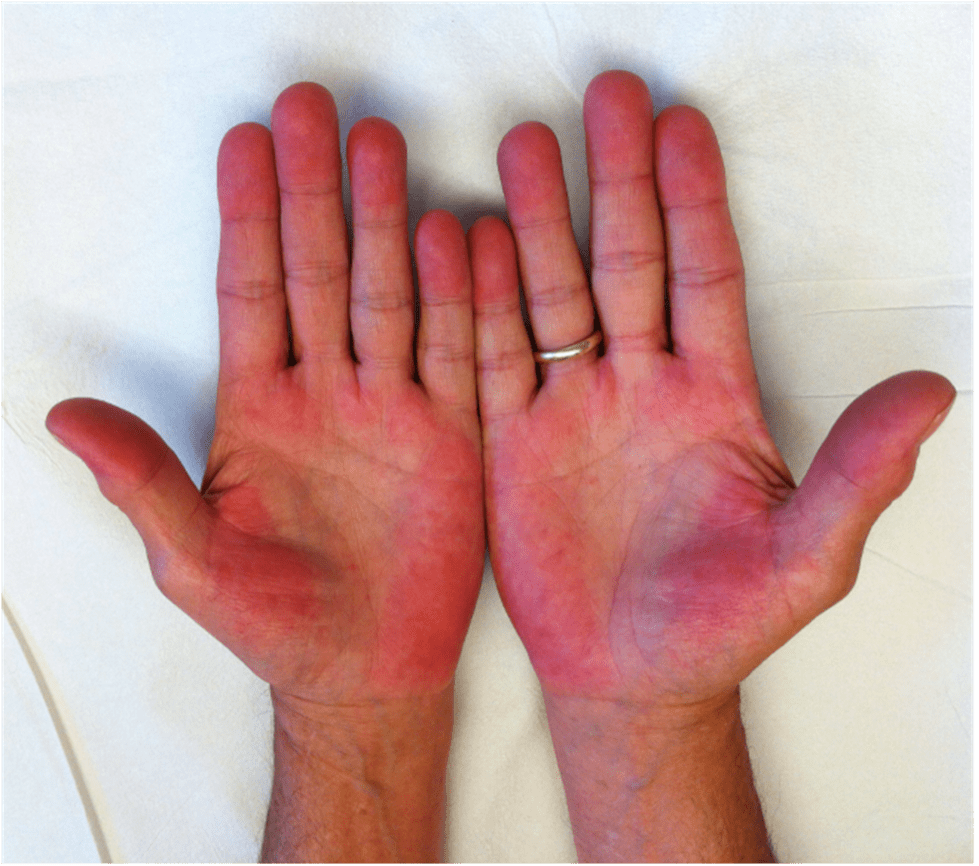
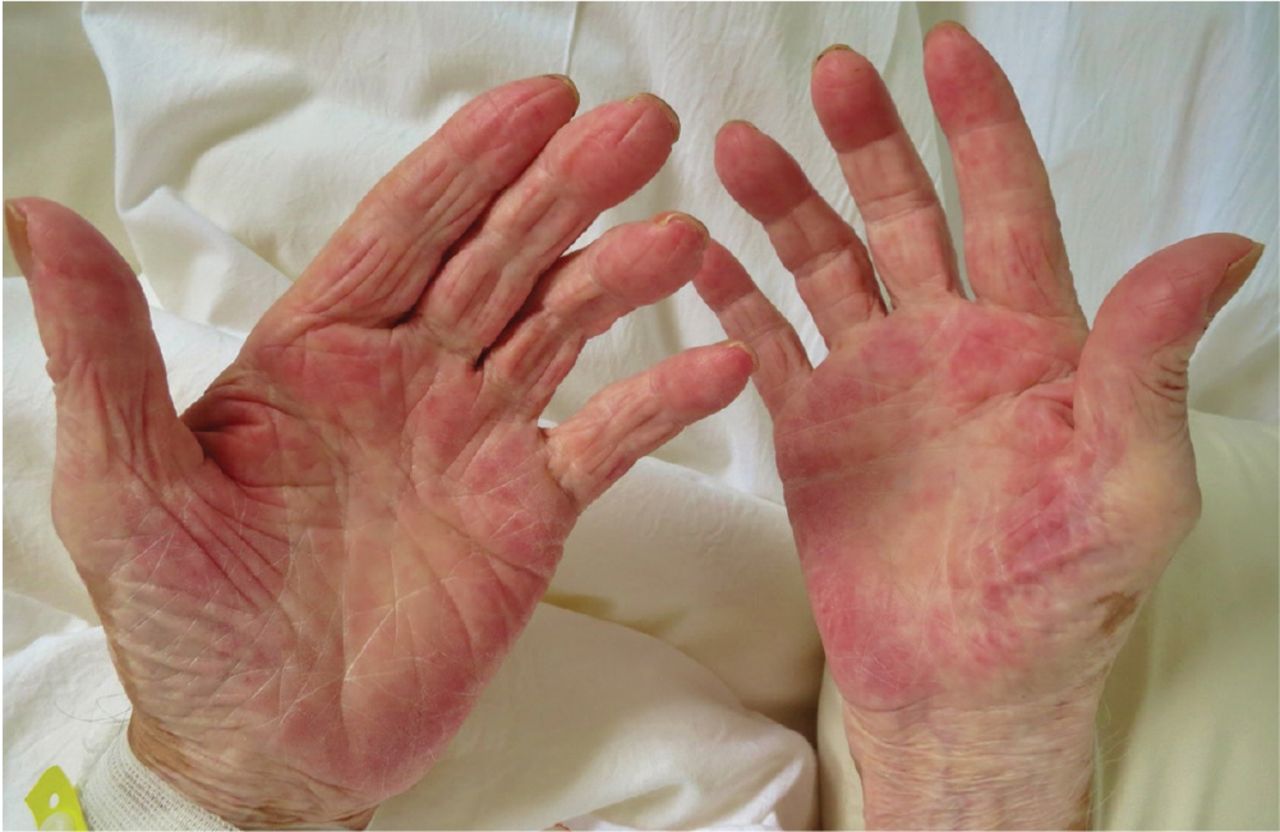
Palmar erythema, also known as red palm syndrome, is a condition in which the skin of the fingers and the fleshy areas of the palm (especially the base of the thumb and little finger) turns red.
The intensity of redness may vary depending on temperature, pressure applied to the hands, or other external factors.
Typical characteristics include:
-
Redness appearing symmetrically on both palms
-
When pressed, the red area turns white and then quickly returns to red
-
The palms may feel slightly warm
-
No itching or pain in most cases
-
In some cases, redness may extend to the fingertips and nail beds
1. What Causes Red Palms (Palmar Erythema)?
The palms contain many tiny blood vessels (capillaries). When these capillaries dilate, the palms may appear red or develop blotchy red patches.
Palmar erythema can be classified into:
-
Primary (occurring on its own)
-
Secondary (caused by an underlying disease or condition)
A. Primary Palmar Erythema
This form is not linked to a serious disease and may include:
-
Genetic factors (rare; may appear at birth or develop gradually later in life)
-
Pregnancy
-
Idiopathic causes (unknown origin)
Pregnancy-Related Red Palms
Pregnancy is a common cause. It is estimated that up to two-thirds of pregnant women may experience palmar erythema due to vascular changes associated with increased estrogen levels.
This condition is usually temporary and disappears after childbirth.
B. Secondary Causes of Red Palms
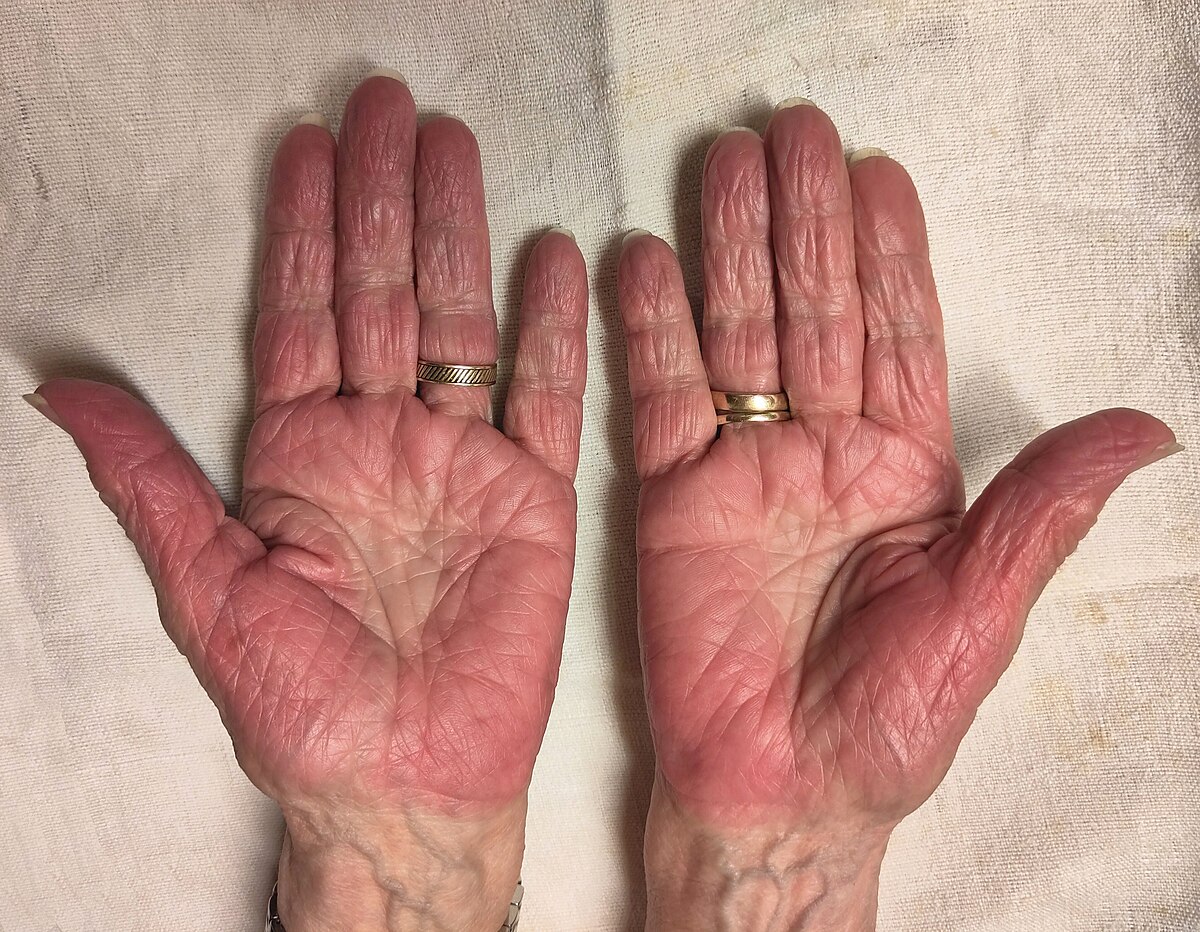
Secondary palmar erythema may result from underlying diseases, environmental factors, or medication side effects.
1. Liver Disease
Red palms are associated with several liver conditions.
-
About 23% of people with liver cirrhosis experience palmar erythema.
-
Cirrhosis occurs when healthy liver tissue is replaced by scar tissue.
Other liver-related conditions include:
-
Wilson’s disease (a genetic disorder causing copper accumulation)
-
Hereditary hemochromatosis (excess iron absorption)
Infants and young children with liver disease are less likely to develop palmar erythema compared to adolescents and adults.
Other common liver disease symptoms:
-
Yellowing of the skin and eyes (jaundice)
-
Abdominal swelling
-
Right upper abdominal discomfort
-
Fatigue
-
Loss of appetite
-
Weight loss
-
Breath with a foul odor
2. Rheumatoid Arthritis
Rheumatoid arthritis is an autoimmune disease characterized by joint inflammation and swelling, including finger joints.
People with rheumatoid arthritis have a higher risk of developing palmar erythema.
Other symptoms include:
-
Joint pain and swelling
-
Warm joints
-
Stiffness reducing hand mobility
-
Difficulty bending or straightening fingers
3. Diabetes
Diabetic hand syndrome, caused by peripheral nerve damage, may lead to:
-
Tingling sensations
-
Numbness
-
Itching in the hands
Reduced blood flow to the hands may also cause redness. Approximately 4.1% of individuals with type 1 or type 2 diabetes may experience palmar erythema.
4. Thyroid Disorders
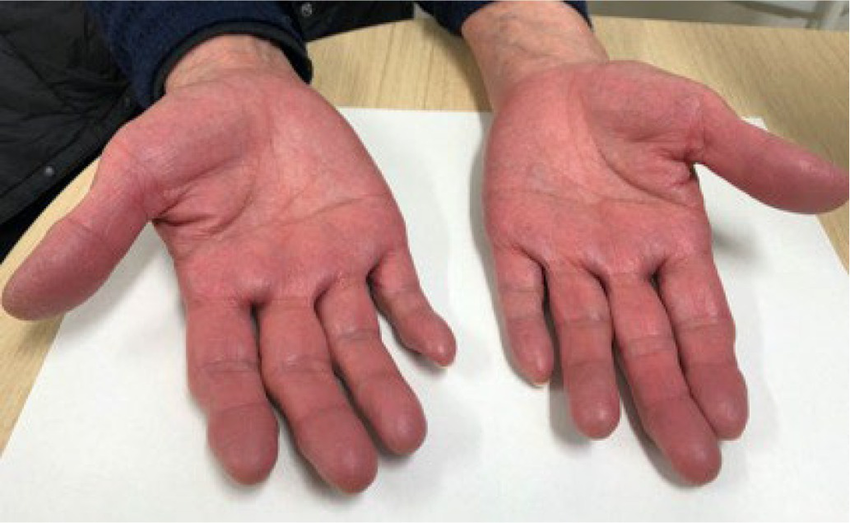
Hormonal imbalances caused by hyperthyroidism or hypothyroidism can affect circulation, leading to:
-
Warm, flushed palms
-
Persistent redness
5. Medication Side Effects
Certain medications may cause red palms, including:
-
Topiramate
-
Albuterol (in rare pregnancy cases)
-
Amiodarone
-
Gemfibrozil
-
Cholestyramine
It is important to consult a doctor regarding possible side effects of any medication.
6. Environmental Causes
-
Smoking
-
Alcohol abuse
-
Mercury poisoning
7. Raynaud’s Syndrome
Raynaud’s syndrome causes spasms in peripheral blood vessels when exposed to cold or stress, reducing blood flow.
Symptoms may include:
-
Swelling and redness of the hands or feet
-
Numbness
-
Tingling
-
Pain
When circulation returns, the fingers regain normal color, often accompanied by a burning sensation.
8. Other Possible Causes
Additional conditions linked to red palms include:
-
Skin diseases:
-
Contact dermatitis
-
Atopic dermatitis
-
Eczema
-
Psoriasis
-
-
Viral or bacterial infections:
-
COVID-19
-
Rocky Mountain spotted fever
-
Coxsackie virus infections (which may cause meningitis, hand-foot-and-mouth disease, pericarditis, and others)
-
-
Chronic obstructive pulmonary disease (COPD)
-
Malignant brain tumors or metastatic brain cancer
2. When Should You See a Doctor?
Treatment depends entirely on the underlying cause.
Seek medical attention promptly if you have:
-
Pre-existing chronic diseases (rheumatoid arthritis, COPD, diabetes, etc.)
-
Severe headaches
-
Muscle weakness or paralysis
-
Persistent tingling or numbness
-
Severe joint swelling affecting daily activities
Although palmar erythema can be visually assessed, doctors may order further tests, such as:
-
Blood tests
-
Blood glucose testing
-
Liver function tests
-
Thyroid function tests
-
Blood urea nitrogen (BUN)
-
Creatinine levels
-
Iron and copper levels
-
Brain MRI
-
CT scans (abdomen, chest, pelvis)
-
Bone marrow biopsy (if indicated)
Final Note
Symptoms affecting the hands can signal various health issues, including palmar erythema. Any unusual changes in your palms should be evaluated early to determine the underlying cause and receive appropriate treatment.
Do not self-medicate or use unverified home remedies without medical guidance.