Fresh ginger is a kitchen essential prized for its bold flavor, aromatic heat, and impressive versatility. From savory stir-fries to soothing teas and baked treats, ginger adds depth and character to countless dishes. Yet despite its resilience as a root, fresh ginger can quickly shrivel, mold, or lose potency when not stored properly.
While refrigeration is often recommended, not everyone has the space—or prefers the texture changes that cold storage can cause. Fortunately, there are several effective ways to preserve ginger at room temperature without sacrificing its quality. Here are five simple, practical methods to keep ginger fresh and flavorful for weeks or even months.
1. Store in a Cool, Dry, Well-Ventilated Place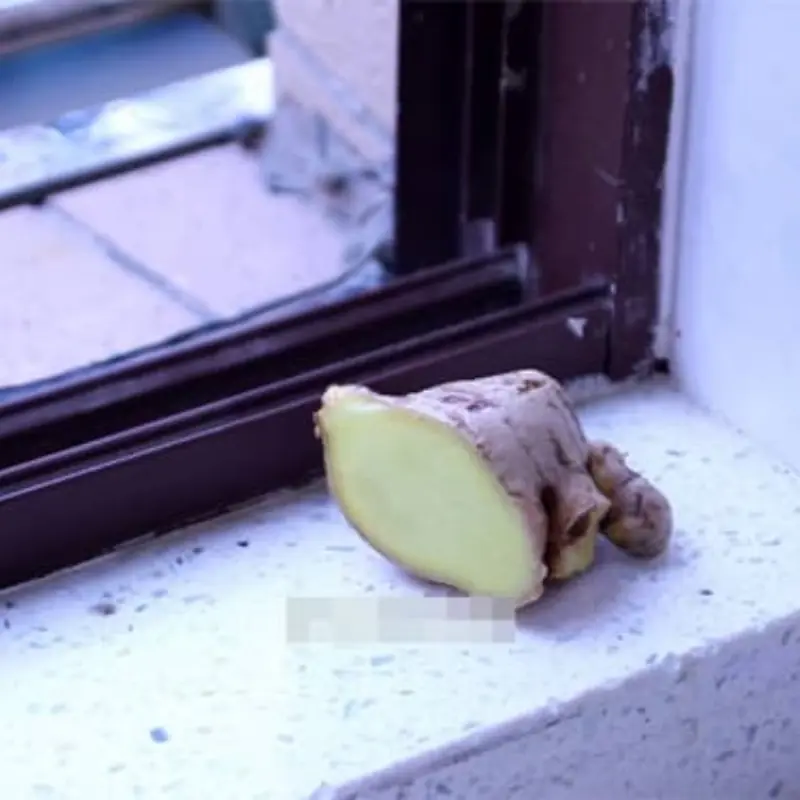
The simplest way to preserve ginger without refrigeration is proper countertop storage. Fresh, unpeeled ginger can last up to two weeks when kept in a cool, dry, and well-ventilated area away from direct sunlight.
Avoid sealing it in plastic bags, which trap moisture and accelerate mold growth. Instead, place the ginger in a paper bag, mesh bag, or open basket. The key is airflow. Moisture is ginger’s biggest enemy at room temperature, so keeping it dry is essential.
Before storing, make sure the ginger is firm, smooth, and free of bruises. Softer spots or damp patches can quickly lead to spoilage.
2. Submerge in Dry Rice
An old but highly effective preservation trick is burying ginger in a container of uncooked rice. Rice naturally absorbs excess moisture from the air, creating a dry environment that helps prevent mold and sprouting.
To use this method, fill an airtight container with dry rice and fully submerge the ginger root inside. Store the container in a cool cabinet. The rice acts as a natural desiccant, helping ginger stay firm and fresh for several weeks.
As an added benefit, the rice remains usable for cooking later—just ensure the ginger was clean and dry before submerging.
3. Dehydrate for Long-Term Storage
If you want to preserve ginger for months without refrigeration, drying is one of the most reliable methods. Dehydrated ginger retains much of its flavor and can be stored for extended periods in airtight containers.
Start by washing and thinly slicing the ginger (peeling is optional). Lay the slices out in a single layer and allow them to air-dry in a warm, dry area with good airflow. This may take several days. Alternatively, use a food dehydrator for faster, more consistent results.
Once fully dried and brittle, store the slices in a sealed glass jar away from light and humidity. Dried ginger can be used whole in teas and broths or ground into powder for baking and seasoning.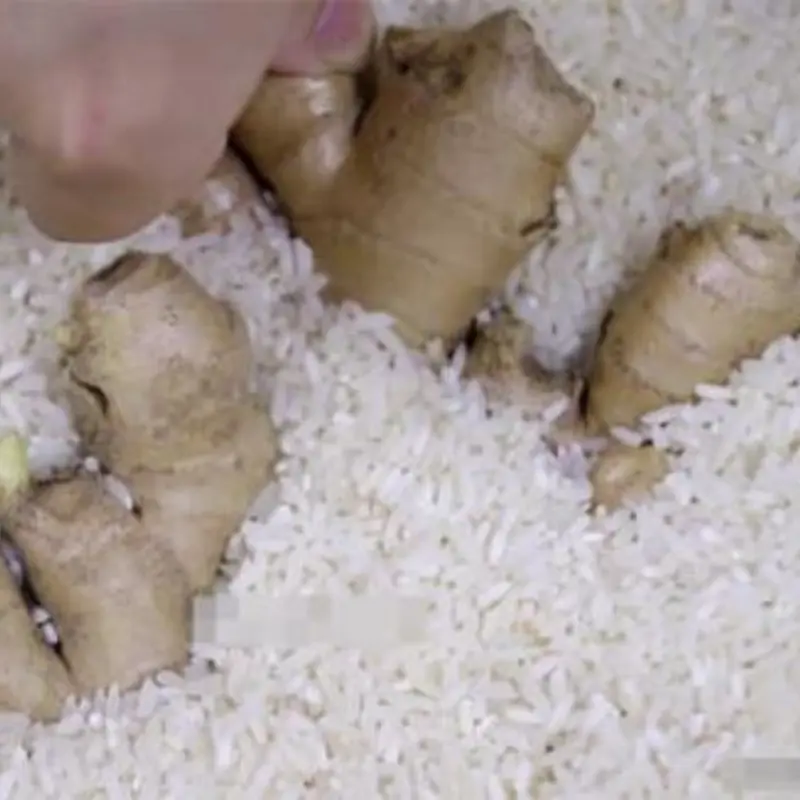
4. Preserve in Salt
Salt has been used for centuries as a natural preservative. Packing ginger in salt helps draw out moisture and inhibit microbial growth.
To preserve ginger this way, peel and slice it into thin pieces. Layer the slices in a clean, dry jar and sprinkle salt between each layer. Seal the jar tightly and store it in a cool place.
Salt-preserved ginger develops a slightly intensified flavor, making it ideal for savory dishes such as soups, marinades, and stir-fries. When ready to use, simply rinse off excess salt if needed.
This method can extend ginger’s usability for several weeks while enhancing its culinary depth.
5. Turn It Into Ginger Paste
Another effective strategy is transforming fresh ginger into a concentrated paste. While many people refrigerate ginger paste, it can also be stored safely at room temperature for shorter periods if prepared correctly.
Blend peeled ginger with a small amount of neutral oil and a pinch of salt to create a smooth paste. Transfer it to a sterilized glass jar and pour a thin layer of oil on top to seal out air. Store the jar in a cool, dark cupboard.
The oil barrier reduces exposure to oxygen and helps slow spoilage. Use clean, dry utensils each time to prevent contamination. While this method doesn’t preserve ginger as long as drying, it provides convenient, ready-to-use flavor for daily cooking.
Choosing the Best Method
Each preservation technique serves a different purpose. For short-term use, cool dry storage or rice burial works well. For long-term storage, dehydration offers the greatest shelf life. Salt preservation and ginger paste provide flavor-enhancing options that double as culinary shortcuts.