The liver is one of the most industrious and resilient organs in the human body. Quietly positioned in the upper right abdomen, it performs hundreds of biochemical tasks every single day. It filters toxins from the bloodstream, metabolizes nutrients from food, regulates blood sugar, produces bile for fat digestion, stores vitamins and minerals, synthesizes essential proteins, and helps maintain hormonal balance. In many ways, it functions as the body’s central processing unit for metabolism and detoxification.
Because the liver is involved in so many vital systems, even subtle dysfunction can ripple throughout the entire body. Fatigue, digestive changes, skin alterations, and hormonal imbalances can all trace back to liver stress. What makes liver disease particularly concerning is that it often develops silently. Early damage may progress for months or even years without obvious pain or dramatic symptoms. By the time severe discomfort appears, significant injury may already have occurred.
Both traditional medical observations and modern clinical practice describe a group of visible warning signs sometimes summarized as “3 yellows and 1 red.” While this phrase is simple, it reflects real physiological changes that can signal impaired liver function. Recognizing these early clues can prompt timely medical evaluation and potentially prevent more serious complications.
Understanding the “3 Yellows and 1 Red”
The phrase refers to three yellow discolorations and one red change that may appear when the liver is no longer processing bile and blood components effectively:
-
Yellowing of the eyes
-
Yellowing of the skin
-
Yellow or dark urine
-
Red spots or redness on the skin
Each sign is closely linked to how the liver handles bilirubin, hormones, and blood vessel regulation.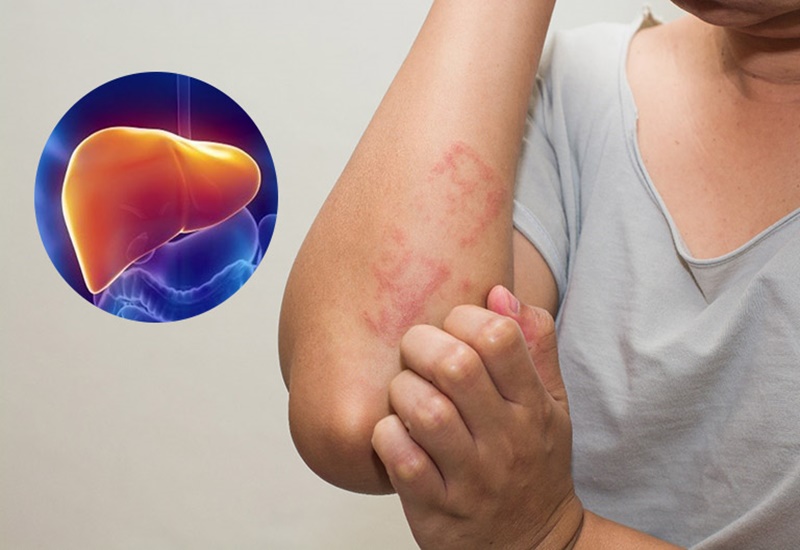
1. Yellowing of the Eyes (Scleral Icterus)
One of the earliest and most noticeable indicators of liver dysfunction is yellowing of the whites of the eyes, medically known as scleral icterus. This occurs when bilirubin, a yellow pigment formed from the natural breakdown of red blood cells, accumulates in the bloodstream.
Under normal conditions, the liver processes bilirubin, converts it into a water-soluble form, and excretes it through bile into the digestive tract. When liver cells are damaged or bile flow is obstructed, bilirubin builds up in the blood. Because the sclera contains elastic tissue with a high affinity for bilirubin, discoloration often appears there first.
Possible underlying causes include:
-
Viral hepatitis
-
Fatty liver disease
-
Alcohol-related liver injury
-
Bile duct obstruction
-
Drug-induced liver inflammation
Since the eyes are easy to observe, many individuals or family members notice this yellowing before skin discoloration becomes apparent. It is a sign that should never be ignored.
2. Yellowing of the Skin (Jaundice)
As bilirubin levels continue to rise, the yellow pigment begins to deposit in the skin, resulting in jaundice. The discoloration may start subtly on the face, around the mouth, or on the palms and soles. Over time, it can spread and become more pronounced.
Jaundice indicates that the liver is struggling to:
-
Process bilirubin efficiently
-
Excrete bile into the digestive tract
-
Maintain normal liver cell function
In adults, jaundice is always considered abnormal and warrants medical evaluation. It may be accompanied by other symptoms such as:
-
Fatigue
-
Loss of appetite
-
Nausea
-
Abdominal discomfort, particularly in the upper right side
-
Itching caused by bile salt accumulation in the skin
Unlike mild skin tone variations caused by sun exposure or diet, jaundice reflects an internal metabolic imbalance. It is not a cosmetic issue; it is a clinical sign of disrupted liver function.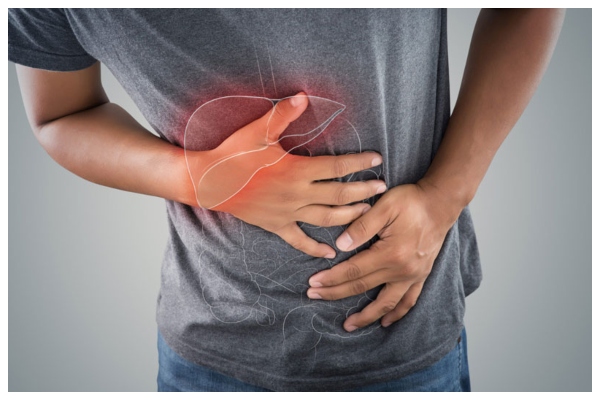
3. Yellow or Dark Urine
Another early clue of liver dysfunction can be found in urine color. When bilirubin cannot be properly excreted into bile, excess amounts circulate in the bloodstream and are filtered by the kidneys. This leads to urine becoming dark yellow, amber, or tea-colored.
Many people initially assume dark urine is due to dehydration. While dehydration can deepen urine color, persistent dark urine despite adequate water intake may indicate elevated bilirubin levels.
This symptom can sometimes appear before obvious skin yellowing and may serve as one of the earliest observable warning signs. If urine remains dark even when hydration is sufficient, it is important to consider liver-related causes.
4. The “One Red” – Red Spots or Redness on the Skin
The “red” sign often refers to spider angiomas, small red, spider-like clusters of blood vessels visible near the surface of the skin. They are commonly found on the chest, neck, face, or upper arms.
Spider angiomas develop when:
-
The liver is unable to properly metabolize estrogen
-
Hormone imbalances cause dilation of small blood vessels
-
Blood vessel regulation becomes impaired
In addition to spider angiomas, other red-related signs may include:
-
Red palms (palmar erythema)
-
Easy bruising
-
Flushing of the skin
These changes reflect the liver’s critical role in hormone regulation and blood clotting factor production. When liver function declines, these systems can become disrupted.
Why These Signs Are Important
The liver has a remarkable capacity to regenerate. In early stages of injury, liver cells can repair themselves if the underlying stressor is removed. However, if damage continues unchecked, inflammation may progress to fibrosis (scarring), and eventually to cirrhosis, where normal tissue is replaced by permanent scar tissue.
Conditions that may develop if liver dysfunction is not addressed include:
-
Chronic hepatitis
-
Non-alcoholic fatty liver disease
-
Alcohol-related liver disease
-
Cirrhosis
-
Liver failure
The “3 yellows and 1 red” are not random changes; they are physiological signals that the liver has been under strain for some time. Early recognition allows for intervention before irreversible damage occurs.
Common Lifestyle Factors That Burden the Liver
Modern lifestyles can place significant stress on the liver. Common contributing factors include:
-
Excessive alcohol consumption
-
Diets high in saturated fat, refined sugar, and processed foods
-
Long-term or unsupervised medication use
-
Exposure to environmental toxins
-
Chronic stress
-
Sleep deprivation
-
Obesity and metabolic syndrome
Each of these factors increases the metabolic workload of the liver and may accelerate damage if sustained over time.
Supporting Liver Health
If any of the warning signs appear, the first step is professional medical evaluation. Blood tests measuring liver enzymes, bilirubin levels, and imaging studies can help determine the underlying cause.
In addition, supportive lifestyle changes can significantly improve liver resilience:
-
Limiting or eliminating alcohol intake
-
Reducing processed foods and added sugars
-
Increasing intake of vegetables, fruits, whole grains, and lean protein
-
Maintaining a healthy body weight
-
Staying well hydrated
-
Prioritizing quality sleep
-
Avoiding unnecessary supplements or medications
These measures reduce metabolic burden and give the liver a chance to recover.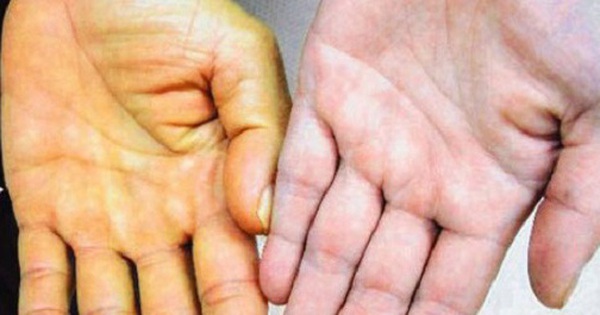
Final Thoughts
The body rarely moves from perfect health to severe disease overnight. More often, it sends subtle signals long before major complications arise. Yellowing of the eyes, skin, and urine, along with unexplained redness on the skin, are not superficial cosmetic changes. They are biological messages.
The liver works tirelessly, often without recognition, to keep the body balanced and detoxified. Paying attention to visible changes can allow problems to be identified at an earlier, more treatable stage.
When it comes to liver health, awareness is not anxiety — it is prevention. Early action, guided by proper medical evaluation, can mean the difference between reversible stress and long-term damage.