3 Types of Fish That May Increase Health Risks: What Science Actually Says
Fish is widely regarded as one of the healthiest protein sources. It is rich in omega-3 fatty acids, lean protein, vitamins, and minerals that support cardiovascular health, brain function, and longevity. However, not all fish are equal in terms of safety and long-term health impact.
Some types of fish — depending on how they are raised, stored, or prepared — may carry contaminants or harmful compounds that increase health risks when consumed frequently.
This article does not aim to create fear around seafood. Instead, it explains which types of fish require caution, why certain risks exist, and how to reduce exposure.
1. Large Predatory Fish (High Mercury Levels)


Why they can be problematic
Large predatory fish such as:
-
Tuna (especially bigeye)
-
Swordfish
-
King mackerel
-
Shark
sit at the top of the marine food chain. Over time, they accumulate methylmercury, a toxic heavy metal.
Mercury exposure has been linked to:
-
Neurological damage
-
Developmental issues in children
-
Increased cardiovascular risk in high amounts
Mercury itself is not classified as a carcinogen in the same way as processed meats, but chronic exposure to heavy metals is associated with cellular stress and DNA damage, which are risk factors for long-term disease.
Who should be especially careful
-
Pregnant women
-
Children
-
Individuals consuming fish daily
Safer alternatives
Choose smaller fish like sardines, anchovies, or salmon, which contain significantly lower mercury levels.
2. Smoked, Salted, and Heavily Processed Fish


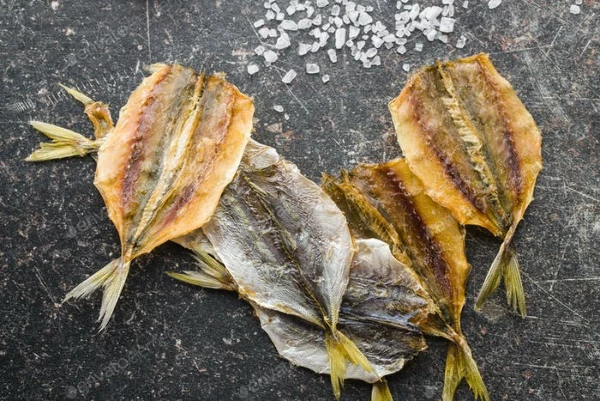
This category deserves particular attention.
What’s the concern?
Smoked and salted fish may contain:
-
Nitrosamines (formed during processing)
-
Polycyclic aromatic hydrocarbons (PAHs) from smoking
-
High sodium levels
The World Health Organization has classified processed meats as carcinogenic due to similar compounds formed during curing and smoking. While fish is different from red meat, the processing methods can generate comparable chemicals.
Frequent consumption of heavily smoked or salted fish has been associated in some studies with increased risk of certain cancers, particularly gastrointestinal cancers.
Important nuance
Occasional consumption is unlikely to pose significant risk. The concern arises with regular, high-frequency intake over many years.
Practical advice
-
Limit smoked fish to occasional meals
-
Avoid overly charred or blackened surfaces
-
Prefer lightly cooked or steamed options
3. Raw or Poorly Handled Fish (Parasite and Contaminant Risk)


Raw fish itself is not inherently dangerous when handled correctly. However, improper storage and preparation may introduce risks.
Potential hazards
-
Parasites (e.g., anisakis)
-
Bacterial contamination
-
Environmental pollutants
Certain parasites can trigger chronic inflammation if not properly treated. Long-term inflammation is a known contributing factor to multiple chronic diseases.
Additionally, fish from polluted waters may contain:
-
Polychlorinated biphenyls (PCBs)
-
Dioxins
-
Microplastics
Chronic exposure to these contaminants has been studied for potential links to cancer risk.
How to reduce risk
-
Consume sushi only from reputable sources
-
Ensure fish is frozen properly to kill parasites
-
Avoid fish from unknown or contaminated waters
Does This Mean Fish Is Dangerous? Absolutely Not.
Fish remains one of the most recommended protein sources globally.
Extensive research shows that moderate fish consumption:
-
Reduces cardiovascular mortality
-
Supports cognitive health
-
Provides essential omega-3 fatty acids
-
Replaces higher-risk processed meats
The issue is not fish itself. The issue is:
-
Type
-
Frequency
-
Preparation method
-
Source
The Bigger Health Picture
When discussing cancer risk, context matters. According to global health data:
Major risk factors include:
-
Smoking
-
Excess alcohol
-
Obesity
-
Ultra-processed foods
-
Chronic inflammation
-
Environmental toxins
Fish, when prepared properly and consumed in balance, is generally protective rather than harmful.
Smart Seafood Guidelines
To maximize benefits and minimize risk:
✔ Choose smaller, wild-caught fish when possible
✔ Rotate seafood types
✔ Limit smoked or heavily salted varieties
✔ Avoid burnt or charred cooking methods
✔ Store and cook fish properly
A balanced approach always beats extreme avoidance.
Final Perspective
The phrase “cancer hotspots” may sound alarming, but the real story is more nuanced.
Certain types of fish — particularly large predatory species, heavily processed fish, and poorly handled raw fish — may increase health risks if consumed excessively over time.
However, eliminating fish entirely is not supported by scientific consensus.
The healthiest strategy is informed moderation.
Food should nourish, not frighten. Understanding risk factors allows for smarter choices — without unnecessary fear.
Balance remains the most powerful ingredient in any longevity-focused diet.