Sleep position is often treated as a simple matter of comfort. People choose what feels natural and rarely think beyond that. However, posture during sleep does more than determine how rested you feel in the morning. It can influence digestion, circulation, breathing patterns, spinal alignment, and even how efficiently the body clears metabolic waste overnight.
Among all sleeping positions, lying on the left side is frequently recommended by physicians and sleep specialists. This recommendation is not arbitrary. It is based on human anatomy and how gravity interacts with internal organs.
Here is a closer look at why this seemingly small habit may have meaningful physiological benefits.
1. Digestive Support and Reduced Acid Reflux
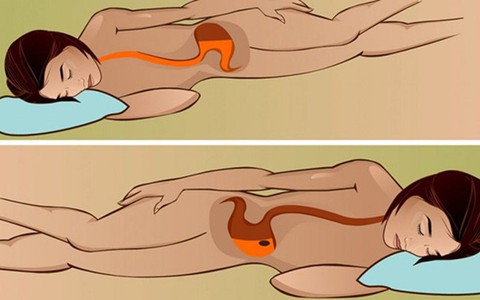
One of the most researched benefits of left-side sleeping relates to digestion. The stomach is positioned slightly toward the left side of the body. When lying on the left:
-
Gravity helps keep stomach contents below the esophagus
-
Acid is less likely to flow backward
-
Food may move more efficiently into the small intestine
This positioning can reduce symptoms of acid reflux and heartburn, especially at night. For individuals with gastroesophageal reflux disease (GERD), nighttime symptoms are often worsened by lying flat or on the right side. Research has shown that left-side sleeping can reduce both the frequency and duration of reflux episodes compared to right-side positioning.
For people who experience indigestion before bed, adjusting sleep posture may provide noticeable relief.

2. Heart Function and Circulatory Efficiency
The heart sits slightly left of center in the chest cavity. Major blood vessels, including the aorta and inferior vena cava, follow anatomical paths that can be influenced by body position.
When sleeping on the left side:
-
Blood flow back to the heart may encounter less resistance
-
Pressure on the inferior vena cava may be reduced
-
Circulatory return from the lower body may improve
This position is often suggested for individuals with circulatory concerns. It is also widely recommended during pregnancy, as lying on the back or right side may place pressure on major vessels due to the weight of the uterus.
While sleep position alone does not treat cardiovascular conditions, it may support more efficient nighttime circulation.
3. Lymphatic Drainage and Overnight Waste Clearance
The lymphatic system plays a central role in removing waste products from tissues. Much of the body’s lymphatic drainage follows pathways that favor the left side.
During deep sleep, the brain activates what is known as the glymphatic system — a process that helps clear metabolic byproducts from neural tissue. Proper sleep posture may support this natural cleansing process.
Sleeping on the left side may:
-
Facilitate lymphatic flow
-
Support toxin removal
-
Aid overnight metabolic regulation
While this is not a substitute for overall healthy habits, body alignment during sleep can complement natural restorative processes.
4. Breathing and Reduced Snoring
Back sleeping is often associated with increased snoring because gravity allows the tongue and soft tissues of the throat to fall backward, partially obstructing the airway.
Side sleeping generally reduces this risk. In many individuals, the left side offers particular benefit because:
-
Airway collapse is less likely
-
The tongue is less prone to shifting backward
-
Oxygen flow may remain steadier
For those with mild sleep apnea or nighttime breathing discomfort, shifting to the left side may improve airflow and reduce interruptions in sleep.

5. Spinal Alignment and Musculoskeletal Comfort
Side sleeping, when properly supported, can help maintain a neutral spinal position.
With adequate pillow support:
-
The neck remains aligned with the spine
-
Pressure on the lower back decreases
-
Hip strain is minimized
Using a pillow between the knees prevents the top leg from pulling the spine out of alignment. A pillow of appropriate height under the head ensures that the neck is neither tilted upward nor downward.
Without proper support, however, shoulder or hip discomfort may occur. Mattress firmness and pillow choice play a critical role.
6. Special Importance During Pregnancy
Left-side sleeping is strongly recommended during pregnancy, particularly in the second and third trimesters.
This position can:
-
Improve blood flow to the placenta
-
Enhance oxygen and nutrient delivery to the fetus
-
Reduce swelling in the legs and feet
-
Minimize pressure on the liver
Medical professionals often advise pregnant individuals to avoid prolonged back sleeping due to potential compression of major blood vessels.
When Left-Side Sleeping May Cause Discomfort
Although left-side sleeping has advantages, it may not feel natural at first. Some individuals report:
-
Shoulder pressure
-
Hip discomfort
-
Temporary numbness in the arm
These issues are typically related to improper support rather than the position itself.
Adjustments that may help include:
-
A medium-firm mattress
-
A supportive pillow that keeps the head level
-
A body pillow to prevent rolling onto the back
-
A pillow between the knees for spinal alignment
The body often adapts within several nights.
Practical Tips for Transitioning
If changing sleep position feels challenging, gradual adjustment may help.
-
Begin by falling asleep on the left side, even if you shift later
-
Use a body pillow to maintain posture
-
Keep hips and shoulders stacked vertically
-
Avoid excessively soft bedding that causes sinking
Consistency encourages adaptation.
The Broader Perspective
Sleep posture is not a cure-all. However, it is one of the simplest modifiable habits that may support multiple systems simultaneously.
Left-side sleeping aligns with anatomical structure in ways that can benefit:
-
Digestive function
-
Cardiovascular efficiency
-
Respiratory stability
-
Lymphatic clearance
-
Pregnancy health
The impact may be subtle, but over time, small adjustments accumulate.
Final Thoughts
Sleeping on the left side is more than a trend. It is a position that works in harmony with the body’s natural layout. For individuals dealing with reflux, mild circulatory issues, snoring, or pregnancy-related discomfort, it may provide practical relief.
There is no need for perfection. Not every night must be rigidly controlled. But when health concerns arise, something as simple as turning onto the left side could offer measurable benefits.
Sometimes, meaningful improvements begin with how the body rests.