Cancer remains one of the leading health concerns worldwide. Although there is no guaranteed way to prevent it, scientific research continues to highlight the powerful role of diet in supporting overall health and potentially lowering cancer risk. A balanced eating pattern rich in plant-based foods, antioxidants, fiber, and healthy fats may help protect cells from damage and reduce chronic inflammation—two key factors associated with cancer development.
It’s important to be clear: no food can “kill” cancer on its own. However, certain foods contain compounds that may support the body’s natural defenses. Here are eight foods that may help reduce cancer risk when included as part of a healthy lifestyle.
1. Broccoli and Cruciferous Vegetables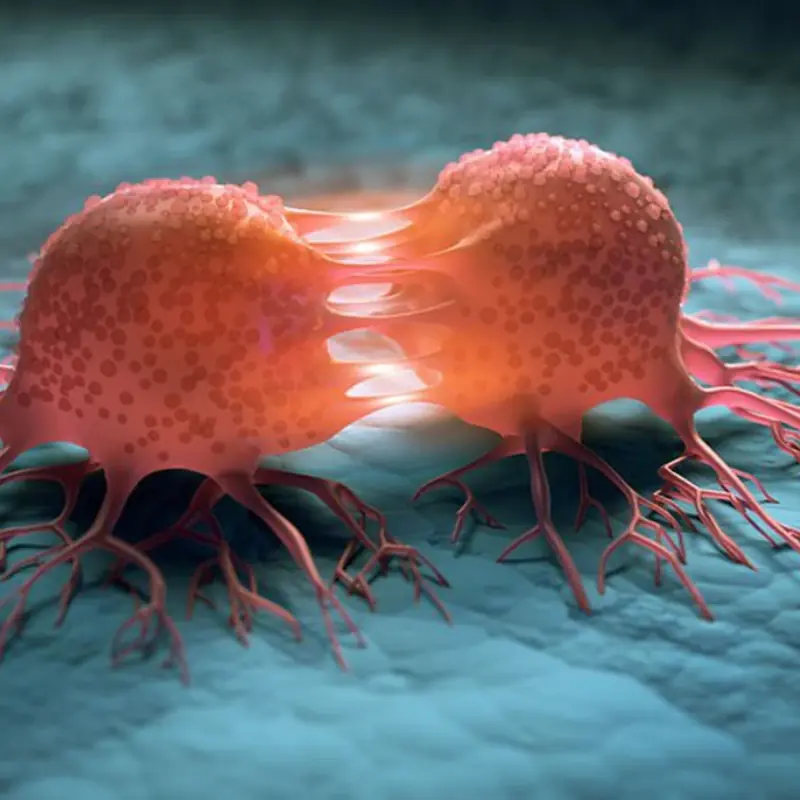
Broccoli, cauliflower, kale, and Brussels sprouts belong to the cruciferous vegetable family. These vegetables contain sulforaphane, a plant compound that has been studied for its potential to support detoxification enzymes and reduce inflammation. Regular consumption of cruciferous vegetables has been linked to a lower risk of several cancers, particularly colorectal cancer.
2. Berries
Blueberries, strawberries, raspberries, and blackberries are rich in antioxidants such as anthocyanins and vitamin C. Antioxidants help neutralize free radicals—unstable molecules that can damage cells and DNA. Including a variety of colorful berries in your diet may support cellular health and immune function.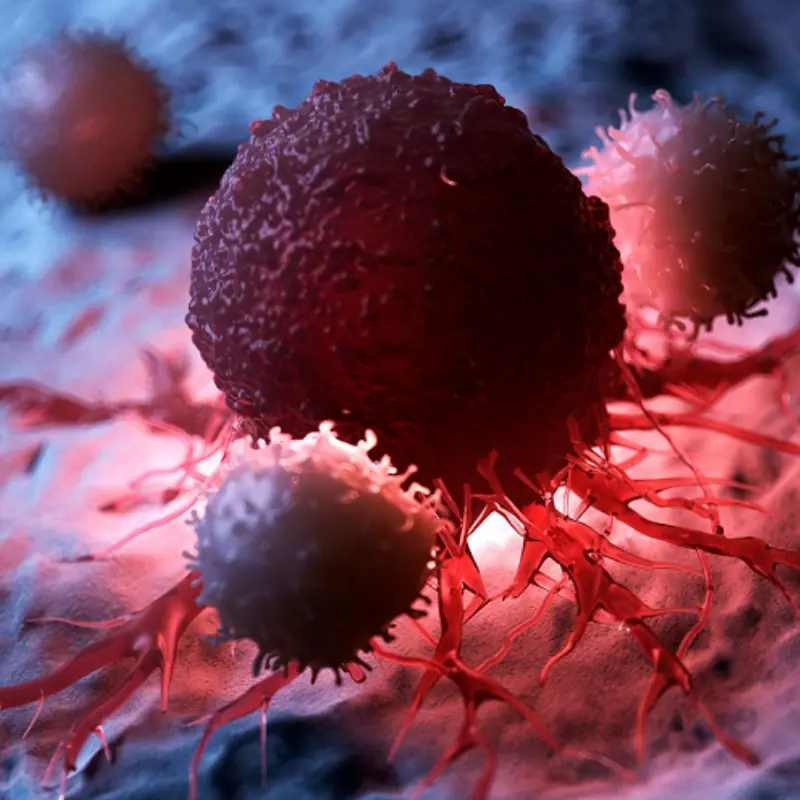
3. Garlic
Garlic contains sulfur compounds like allicin, which may have protective effects against certain cancers. Some studies suggest that higher garlic intake is associated with a reduced risk of stomach and colorectal cancers. Garlic may also help reduce inflammation and support immune activity.
4. Tomatoes
Tomatoes are a major source of lycopene, a powerful antioxidant that gives them their red color. Lycopene has been studied for its potential role in reducing prostate cancer risk. Interestingly, cooked tomatoes—such as those found in tomato sauce—may provide more absorbable lycopene than raw ones.
5. Green Tea
Green tea contains catechins, particularly epigallocatechin gallate (EGCG), which have been researched for their antioxidant and anti-inflammatory properties. While evidence is still evolving, regular green tea consumption has been associated with potential protective effects against certain cancers.
6. Fatty Fish
Salmon, sardines, and mackerel are rich in omega-3 fatty acids. Omega-3s may help reduce chronic inflammation, which is linked to cancer development. Including fatty fish in your weekly meal plan may contribute to overall health and potentially lower cancer risk.
7. Whole Grains
Whole grains such as brown rice, oats, quinoa, and whole wheat contain fiber and beneficial plant compounds. High-fiber diets are associated with a lower risk of colorectal cancer. Fiber supports healthy digestion and may help regulate blood sugar and insulin levels.
8. Turmeric
Turmeric contains curcumin, a compound known for its anti-inflammatory and antioxidant properties. Laboratory studies have explored curcumin’s potential effects on cancer cells, although more human research is needed. Adding turmeric to soups, curries, or teas can be a flavorful way to incorporate it into your diet.