U.S. Doctor Recommends 8 “Food-as-Medicine” Ingredients That May Help Lower Cholesterol and Support Heart Health
The idea of “food as medicine” is not new. Long before modern pharmaceuticals, dietary patterns were used to manage chronic conditions. Today, cardiologists and preventive medicine physicians increasingly emphasize nutrition as a foundational tool for reducing cardiovascular risk.
It’s important to clarify something upfront:
No single food prevents heart disease or cancer on its own.
However, certain ingredients—when incorporated consistently into a balanced dietary pattern—have strong scientific support for improving cholesterol profiles and reducing inflammation, both of which are key drivers of cardiovascular disease.
Below are eight evidence-supported ingredients commonly recommended in preventive cardiology.
1. Oats (Beta-Glucan Fiber)


Oats contain beta-glucan, a soluble fiber proven to:
-
Reduce LDL (“bad”) cholesterol
-
Improve gut microbiome diversity
-
Support blood sugar stability
Beta-glucan works by binding cholesterol in the digestive tract, helping the body eliminate it rather than reabsorbing it.
Clinical studies show that regular oat consumption can reduce LDL cholesterol by 5–10% when eaten daily.
2. Garlic


Garlic contains sulfur compounds such as allicin that may:
-
Modestly reduce blood pressure
-
Slightly lower total cholesterol
-
Support vascular function
The effect is generally mild, but consistent intake may contribute to overall cardiovascular protection.
Best consumed:
-
Freshly crushed
-
Lightly cooked (not burned)
3. Leafy Greens


Leafy greens such as spinach and kale provide:
-
Nitrates that support blood vessel dilation
-
Folate
-
Vitamin K
-
Antioxidants
Improved endothelial function (how blood vessels relax and contract) is strongly associated with reduced heart disease risk.
4. Fatty Fish (Omega-3s)


Fatty fish such as salmon, sardines, and mackerel contain:
-
EPA and DHA omega-3 fatty acids
-
Anti-inflammatory compounds
Omega-3s may:
-
Lower triglycerides
-
Reduce inflammation
-
Support heart rhythm stability
Most cardiology guidelines recommend 2 servings per week.
5. Nuts (Especially Walnuts and Almonds)


Nuts provide:
-
Healthy monounsaturated fats
-
Plant sterols
-
Fiber
-
Magnesium
Regular nut intake has been linked to lower LDL cholesterol and reduced cardiovascular mortality.
Portion control matters—about a small handful daily is typically sufficient.
6. Olive Oil (Extra Virgin)


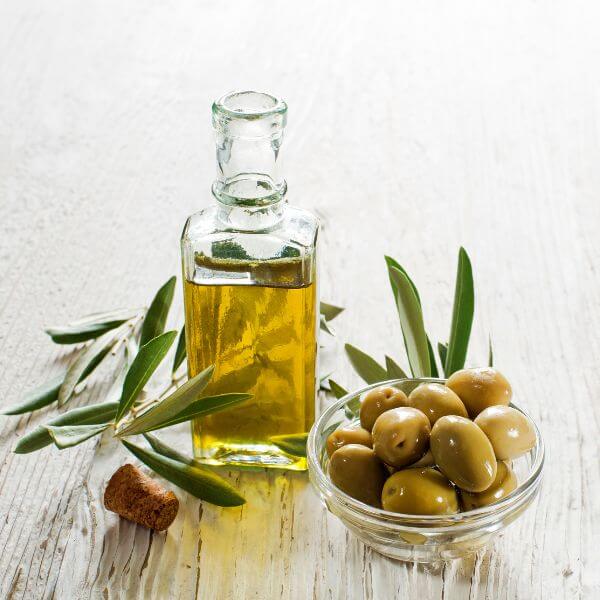
A cornerstone of the Mediterranean dietary pattern, extra virgin olive oil contains:
-
Polyphenols
-
Monounsaturated fats
It may:
-
Reduce LDL oxidation
-
Lower inflammation
-
Improve HDL function
Replacing saturated fats with olive oil is more impactful than simply adding it to an already high-fat diet.
7. Legumes (Beans and Lentils)


Legumes are rich in:
-
Soluble fiber
-
Plant protein
-
Potassium
They help:
-
Reduce LDL cholesterol
-
Improve satiety
-
Stabilize blood sugar
Daily legume intake is associated with measurable lipid improvements.
8. Berries


Berries contain anthocyanins and flavonoids that may:
-
Improve arterial stiffness
-
Reduce oxidative stress
-
Support vascular function
Some observational studies link higher berry intake with lower heart attack risk.
What About Cancer Prevention?
Diet plays a role in reducing overall cancer risk primarily by:
-
Lowering chronic inflammation
-
Supporting immune function
-
Improving metabolic health
However:
No ingredient guarantees cancer prevention.
The strongest dietary cancer risk reduction strategies include:
-
Maintaining healthy body weight
-
Eating high-fiber plant-based foods
-
Limiting processed meats
-
Avoiding excessive alcohol
The foods listed above contribute to a protective pattern rather than acting as a cure.
The Pattern Matters More Than the Ingredient
The most powerful evidence does not focus on individual foods—but dietary patterns such as:
-
Mediterranean-style eating
-
Plant-forward diets
-
High-fiber, minimally processed nutrition
Cardiovascular disease develops over decades. So does protection.
Consistency matters more than intensity.
Practical Implementation Strategy
Instead of trying to add all eight foods at once:
-
Replace refined breakfast with oatmeal.
-
Swap butter for olive oil.
-
Add legumes 3–4 times per week.
-
Include leafy greens daily.
-
Eat fatty fish twice weekly.
-
Snack on nuts instead of processed snacks.
-
Add berries to breakfast or yogurt.
Small, repeated actions create measurable changes in lipid profiles over time.
Final Perspective
Food is not a substitute for necessary medication in high-risk individuals. Statins and other therapies save lives.
But diet remains foundational.
When used strategically, these eight ingredients may:
✔ Lower LDL cholesterol
✔ Reduce inflammation
✔ Support vascular health
✔ Contribute to long-term disease prevention
Food alone is not medicine.
But when applied consistently, it becomes powerful preventive therapy.