8 Early Warning Signs of Kidney Failure – Even Young People Should Pay Attention
Kidney disease is often described as a “silent condition.” In its early stages, symptoms can be subtle, vague, or easily dismissed. Many people associate kidney failure with older age, but in reality, chronic kidney disease (CKD) can affect younger individuals, especially those with diabetes, hypertension, autoimmune conditions, or a family history of kidney problems.
Early recognition is critical. The earlier kidney dysfunction is detected, the more effectively it can be managed.
Below are eight early warning signs that deserve attention.
1. Persistent Fatigue and Low Energy



When kidneys are not functioning properly, toxins and waste products accumulate in the blood. This buildup can lead to:
-
Constant tiredness
-
Weakness
-
Difficulty concentrating
Additionally, damaged kidneys may produce less erythropoietin, a hormone needed to make red blood cells, leading to anemia.
2. Changes in Urination Patterns
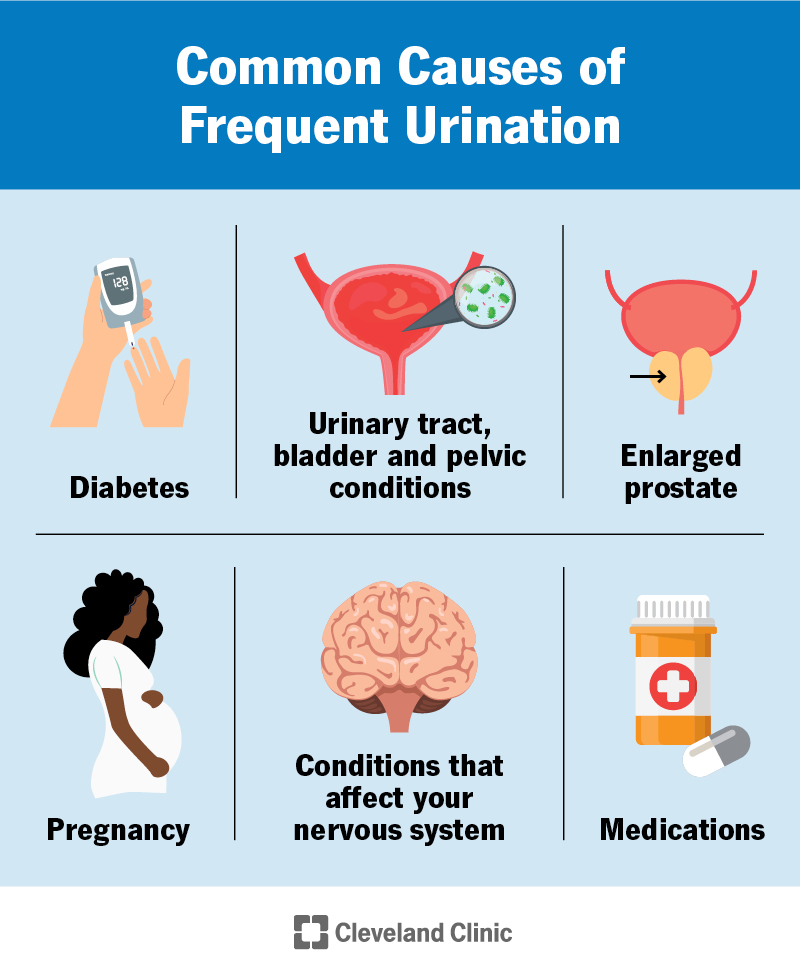


Kidneys regulate fluid balance and waste removal. Early warning changes may include:
-
Urinating more frequently, especially at night
-
Reduced urine output
-
Foamy urine (possible protein leakage)
-
Dark or tea-colored urine
Persistent changes warrant medical evaluation.
3. Swelling (Edema)


When kidneys cannot remove excess sodium and fluid efficiently, fluid retention may occur.
Common areas affected:
-
Ankles
-
Feet
-
Hands
-
Around the eyes
Swelling that does not resolve with rest should not be ignored.
4. Itchy or Dry Skin


Kidneys help maintain mineral balance in the blood. When waste products accumulate, skin may become:
-
Dry
-
Irritated
-
Persistently itchy
This symptom often appears in more advanced stages but can begin earlier in subtle form.
5. Shortness of Breath
Fluid buildup can affect the lungs, and anemia can reduce oxygen delivery.
This may lead to:
-
Breathlessness during mild activity
-
Difficulty lying flat
-
Unusual exercise intolerance
Sudden or severe shortness of breath requires urgent care.
6. Metallic Taste or Loss of Appetite



Waste accumulation in the bloodstream may alter taste perception.
Symptoms may include:
-
Metallic taste
-
Bad breath
-
Reduced appetite
-
Nausea
Unexplained appetite changes should be discussed with a healthcare provider.
7. Muscle Cramps
Electrolyte imbalances—particularly low calcium or imbalanced potassium—can trigger:
-
Frequent muscle cramps
-
Muscle twitching
These disturbances may signal kidney dysfunction.
8. High Blood Pressure That Is Hard to Control


Kidneys play a central role in blood pressure regulation.
Uncontrolled or newly diagnosed hypertension—especially in younger individuals—may indicate underlying kidney problems.
Hypertension can both cause and result from kidney damage, creating a harmful cycle.
Why Young People Should Not Ignore These Signs
Risk factors for kidney disease in younger populations include:
-
Diabetes
-
High blood pressure
-
Obesity
-
Autoimmune disorders
-
Chronic use of NSAIDs
-
Family history
Lifestyle factors such as dehydration, high sodium intake, and excessive processed foods may contribute over time.
When to Get Tested
Simple blood and urine tests can assess kidney function:
-
Serum creatinine
-
Estimated glomerular filtration rate (eGFR)
-
Urine protein
Early-stage kidney disease often has minimal symptoms. Routine screening is especially important for individuals with risk factors.
Prevention Strategies
✔ Maintain healthy blood pressure
✔ Control blood sugar
✔ Stay hydrated
✔ Limit excessive salt intake
✔ Avoid unnecessary overuse of painkillers
✔ Maintain healthy body weight
Kidney health is strongly linked to cardiovascular health. Protecting one protects the other.
Final Perspective
Kidney failure does not happen overnight. It develops gradually, often silently.
Recognizing early warning signs—fatigue, swelling, changes in urination, uncontrolled blood pressure—can lead to early diagnosis and better outcomes.
Even younger individuals are not immune.
Early awareness leads to early action.