Uterine health plays a central role in a woman’s reproductive system, hormonal balance, and overall well-being. While genetics, lifestyle, infections, and environmental factors all contribute to gynecological conditions, diet is increasingly recognized as a modifiable factor that can influence inflammation, hormonal signaling, and metabolic stability — all of which directly affect the uterus.
It is important to clarify that no single food “causes” uterine disease. However, certain dietary patterns may contribute to chronic inflammation, estrogen imbalance, insulin resistance, or oxidative stress — biological mechanisms linked to conditions such as fibroids, endometriosis, adenomyosis, and irregular menstruation.
Below are five common food categories that may negatively influence uterine health when consumed excessively.
1. Processed Meats
Examples: bacon, sausages, hot dogs, deli meats, cured meats.
Processed meats often contain nitrates, preservatives, high sodium, and saturated fats. Regular consumption has been associated with increased systemic inflammation and oxidative stress.
Why this matters for the uterus:
-
Chronic inflammation can worsen symptoms of endometriosis.
-
High saturated fat intake may influence estrogen metabolism.
-
Some preservatives may increase oxidative damage at the cellular level.
Research suggests that women who consume higher amounts of red and processed meat may have an increased risk of developing uterine fibroids. One proposed mechanism involves elevated estrogen levels, since adipose tissue and dietary fat intake influence hormone synthesis and storage.
Additionally, diets high in processed meats are often low in fiber, which plays a key role in helping the body eliminate excess estrogen through the digestive tract.
Bottom line: Occasional intake is unlikely to cause harm, but frequent consumption may contribute to hormonal imbalance and inflammatory conditions affecting the uterus.
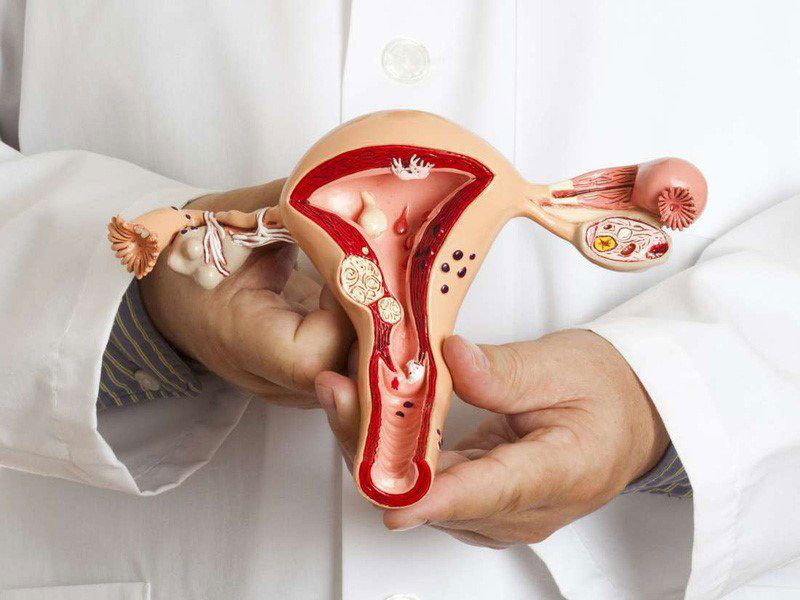
2. Refined Sugar and High-Glycemic Foods
Examples: white bread, pastries, sugary drinks, candy, sweetened cereals.
High-glycemic foods cause rapid spikes in blood glucose and insulin levels. Over time, chronic high insulin can contribute to insulin resistance, which affects ovarian function and hormone production.
Uterine impact:
-
Insulin resistance is linked to hormonal disorders such as PCOS.
-
Elevated insulin can increase androgen production.
-
Hormonal disruption may lead to irregular cycles and abnormal uterine bleeding.
High sugar intake also promotes inflammation. Since uterine conditions like fibroids and endometriosis are inflammatory in nature, excess sugar consumption may exacerbate symptoms such as pelvic pain and heavy bleeding.
Furthermore, sugar feeds into obesity risk, and adipose tissue produces estrogen. Excess estrogen without proper progesterone balance can stimulate the uterine lining excessively, potentially worsening fibroid growth.
Key takeaway: Reducing added sugars helps stabilize insulin, regulate hormones, and decrease inflammatory burden.
3. Highly Processed Foods and Trans Fats
Examples: packaged snacks, fast food, deep-fried items, margarine containing partially hydrogenated oils.
Trans fats and ultra-processed foods are strongly associated with systemic inflammation and cardiovascular risk. In women’s reproductive health, inflammatory markers are particularly relevant.
Mechanisms affecting uterine health:
-
Trans fats increase C-reactive protein (CRP), an inflammatory marker.
-
Chronic inflammation is implicated in endometriosis and fibroid growth.
-
Poor-quality fats may disrupt prostaglandin balance, influencing menstrual pain.
Prostaglandins are hormone-like compounds involved in uterine contractions. Imbalances can worsen dysmenorrhea (painful periods). Diets high in unhealthy fats may alter prostaglandin synthesis, potentially increasing uterine cramping.
Another issue is nutrient displacement. Diets heavy in ultra-processed foods often lack magnesium, omega-3 fatty acids, and antioxidants — nutrients that support smooth muscle relaxation and hormonal regulation.
Conclusion: Limiting trans fats and prioritizing whole-food fat sources (like nuts, seeds, and olive oil) may support better uterine function.
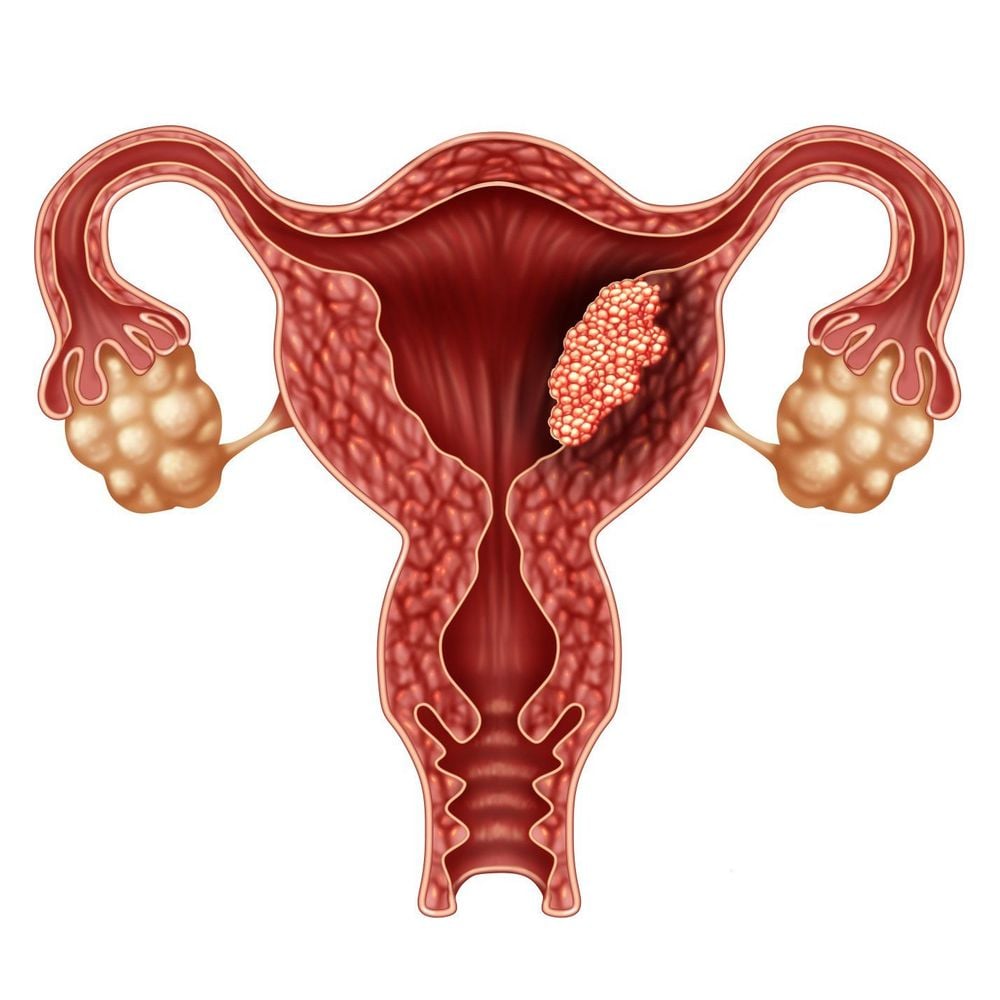
4. Excess Alcohol
While moderate alcohol intake may be socially normalized, regular or heavy consumption has measurable effects on estrogen metabolism.
How alcohol influences the uterus:
-
Alcohol can increase circulating estrogen levels.
-
It impairs liver detoxification pathways.
-
It promotes inflammation and oxidative stress.
The liver plays a critical role in metabolizing excess hormones. When alcohol intake is high, liver function may become less efficient at clearing estrogen. Elevated estrogen levels are associated with fibroids, endometrial hyperplasia, and heavy menstrual bleeding.
Alcohol may also worsen menstrual irregularities and contribute to PMS severity.
Epidemiological studies have shown a correlation between high alcohol consumption and increased risk of fibroids, though causation remains complex and multifactorial.
Moderation is key. Occasional intake may not significantly impact uterine health, but chronic overuse likely increases risk.
5. Excessive Dairy (in Certain Contexts)
Dairy is nutritionally complex and not inherently harmful. However, some women may experience symptom worsening depending on hormonal sensitivity or inflammatory status.
Potential concerns:
-
Commercial dairy may contain trace amounts of hormones.
-
Some individuals have sensitivity to casein or lactose.
-
High saturated fat dairy may influence estrogen metabolism.
Certain observational studies suggest mixed findings — some indicate dairy may reduce fibroid risk, while others show no clear association. The impact appears highly individual.
Women with endometriosis sometimes report symptom improvement when reducing dairy intake, possibly due to inflammatory responses or prostaglandin modulation.
Important nuance: Fermented dairy (such as yogurt with probiotics) may actually support gut health, which plays a role in estrogen metabolism via the estrobolome (the collection of gut bacteria involved in estrogen regulation).
So dairy is not universally harmful, but excessive intake of high-fat, heavily processed dairy products may not be ideal for some women with hormone-sensitive conditions.
The Bigger Picture: It’s About Patterns, Not Panic
Uterine health is influenced by:
-
Hormonal balance
-
Inflammatory status
-
Metabolic health
-
Gut microbiome composition
-
Body fat distribution
-
Stress and sleep patterns
No single food is the villain.
However, a dietary pattern high in:
-
Added sugars
-
Trans fats
-
Processed meats
-
Excess alcohol
-
Ultra-processed foods
may increase inflammation, disrupt estrogen balance, and impair metabolic regulation — all of which can negatively affect uterine tissue over time.
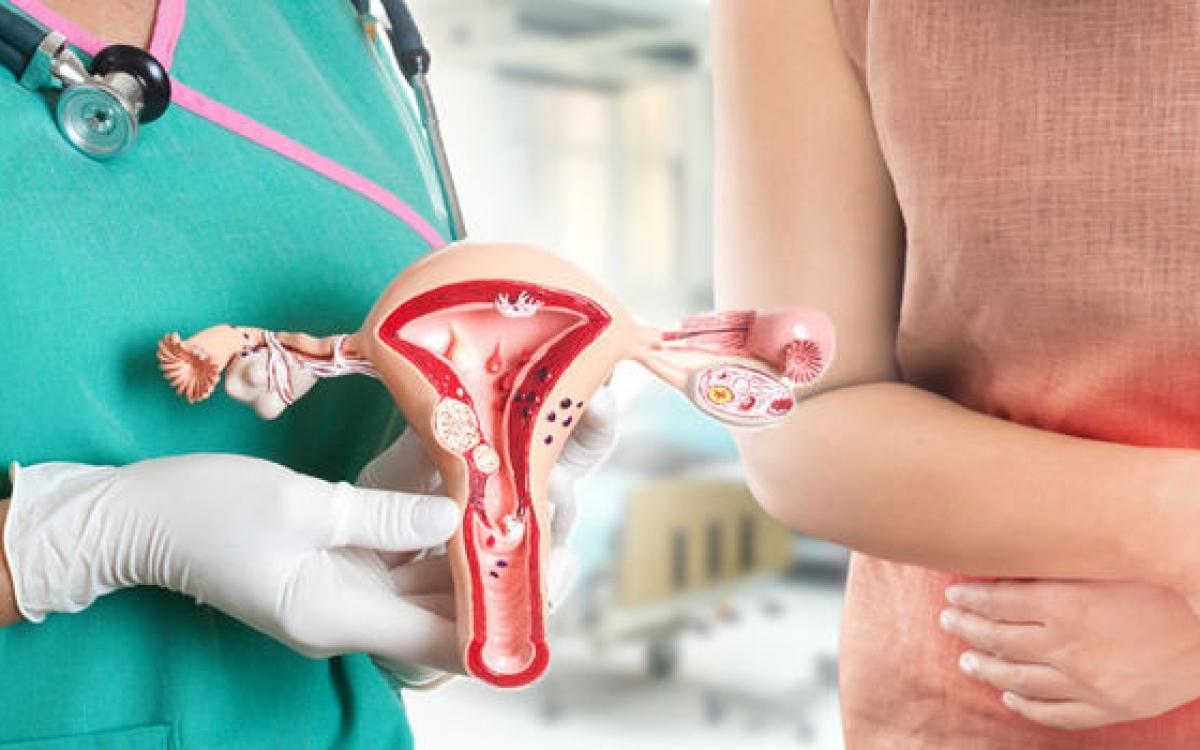
What Supports Uterine Health Instead?
Evidence-based supportive dietary patterns include:
-
High-fiber vegetables and fruits (help remove excess estrogen)
-
Omega-3 rich foods (anti-inflammatory effects)
-
Whole grains (blood sugar regulation)
-
Legumes (phytoestrogens with modulatory effects)
-
Green leafy vegetables (magnesium and folate support)
-
Adequate hydration
The Mediterranean-style dietary pattern has been associated with improved reproductive health markers due to its anti-inflammatory and antioxidant properties.
Final Thoughts
Uterine health is multifactorial. Diet alone does not determine outcomes, but it is one of the few modifiable factors within personal control.
Reducing inflammatory foods and stabilizing blood sugar levels can support hormone balance and potentially reduce the severity of certain uterine-related conditions.
Any woman experiencing persistent pelvic pain, heavy bleeding, irregular cycles, or fertility concerns should consult a qualified healthcare provider for individualized evaluation. Nutritional adjustments work best as part of a comprehensive care plan — not as a replacement for medical treatment.
Think of diet as foundation maintenance. The uterus, like any organ, responds to the biochemical environment created by daily habits. Improve the environment, and the system tends to function more smoothly over time.
If needed, I can also write a more SEO-optimized version with meta description and structured headings for publishing.