Itching is one of the most common and usually harmless skin complaints. Dry weather, insect bites, allergies, or irritation from soaps can all trigger the urge to scratch. In most cases, the discomfort disappears quickly with moisturizing or simple treatment. However, persistent or unexplained itching in specific areas of the body can sometimes point to underlying health concerns that deserve closer attention.
While itching alone does not automatically mean something serious, recognizing patterns — especially when symptoms last for weeks or occur without a visible rash — can help identify when medical advice may be needed.
1. Scalp
An itchy scalp is often linked to dandruff, product buildup, or mild skin conditions like seborrheic dermatitis. However, ongoing scalp itching accompanied by hair thinning or patches of irritation could suggest fungal infections or inflammatory disorders. If over-the-counter treatments do not help, evaluation by a healthcare professional is advisable.
2. Eyes and Eyelids
Itchy eyes are frequently associated with seasonal allergies. But when itching is persistent, painful, or paired with vision changes, it may indicate infection or chronic inflammation. Swelling, discharge, or light sensitivity are signs that warrant medical review.
3. Ears
Occasional itching inside the ears can result from dryness or minor irritation. Constant itching, particularly if combined with discharge or hearing changes, may signal infection or skin conditions affecting the ear canal.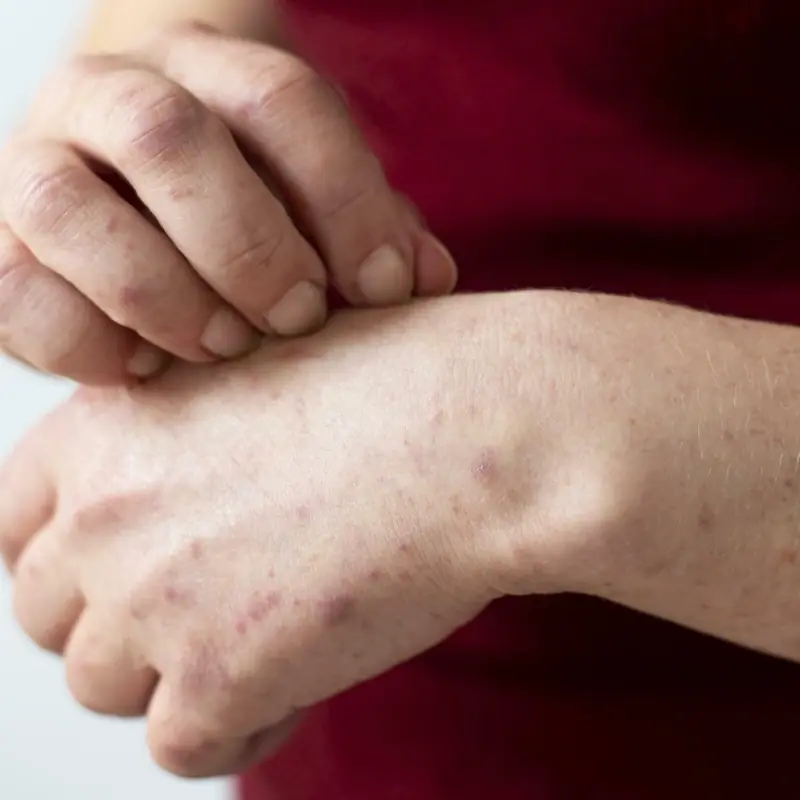
4. Arms and Elbows
Itching on the forearms, especially without a visible rash, has sometimes been associated with nerve sensitivity or prolonged sun exposure. Meanwhile, persistent itching on the elbows accompanied by a rash could be linked to chronic inflammatory skin conditions.
5. Hands and Palms
Itchy palms can stem from allergic reactions, eczema, or contact dermatitis. In rarer cases, persistent itching without visible irritation may relate to internal issues such as liver or metabolic disorders. When itching is severe, spreads, or occurs alongside other symptoms like fatigue or jaundice, medical evaluation becomes important.
6. Abdomen
The abdominal area can itch due to stretching skin, dryness, or fabric irritation. However, generalized itching without rash across the abdomen and other body parts may sometimes be associated with systemic conditions, including liver or kidney concerns. Persistent unexplained itching across large areas of the body should not be ignored.
7. Back
An itchy patch in the middle of the back that does not respond to creams may be related to nerve-related causes. This condition can create a localized sensation of itching without visible skin changes. If the itch persists for months, consultation with a healthcare provider may help identify underlying nerve involvement.
8. Legs
Itching on the lower legs is commonly linked to dry skin, especially in colder weather. Poor circulation can also contribute to chronic itchiness in this area. If itching is accompanied by swelling, discoloration, or pain, it may indicate vascular issues requiring medical assessment.
9. Genital Area
Itching in the genital region can result from irritation, infections, allergic reactions, or hygiene products. Because this area is sensitive, persistent itching should be evaluated promptly to rule out infections or dermatological conditions. Self-treatment without proper diagnosis may worsen symptoms.
When Itching May Be a Systemic Warning Sign
In some cases, widespread itching without a rash can be associated with internal health conditions. Liver disease, thyroid imbalance, kidney problems, diabetes, and certain blood disorders have all been linked to persistent unexplained itching. While these causes are far less common than simple skin irritation, itching that lasts more than two to three weeks without improvement should be discussed with a medical professional.
Additional warning signs include:
-
Unexplained weight loss
-
Ongoing fatigue
-
Yellowing of the skin or eyes
-
Night sweats
-
Changes in skin color
These symptoms, combined with chronic itching, may indicate the need for further testing.