5 Changes in Your Feet That Could Be Linked to Kidney Health Issues
The image highlights cracked, dry heels with a bold claim suggesting a connection to kidney health. While not every foot change signals a kidney problem, the body often provides subtle clues when internal organs are under stress.
Kidney disease can progress silently. Early symptoms are frequently mild or overlooked. In some cases, changes in the feet may reflect underlying fluid imbalance, circulation issues, or metabolic disturbances related to kidney function.
Let’s break this down carefully — without exaggeration.
Why the Kidneys Matter


The kidneys:
-
Filter waste from the blood
-
Regulate fluid balance
-
Maintain electrolyte levels
-
Control blood pressure
-
Support red blood cell production
When kidney function declines, fluid and toxins may accumulate — and peripheral areas like the feet can show visible changes.
1. Swelling in the Feet and Ankles (Edema)
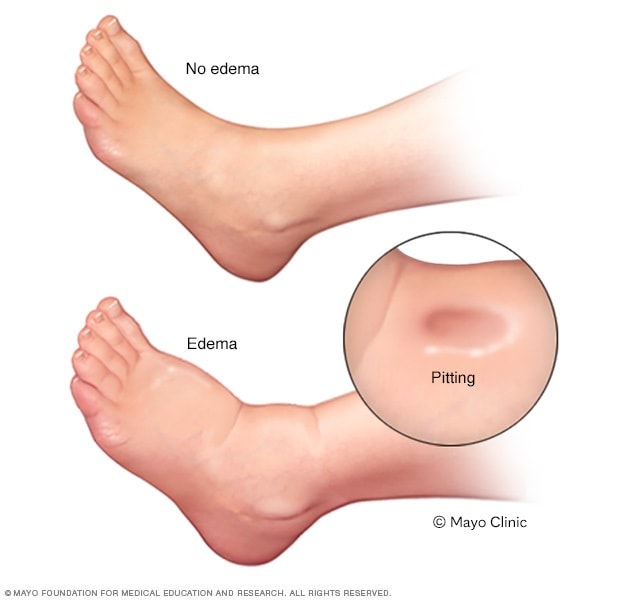


One of the most common signs linked to kidney dysfunction is fluid retention.
If the kidneys cannot effectively remove excess sodium and water, fluid can build up in lower extremities due to gravity.
Look for:
-
Puffy ankles
-
Shoes feeling tighter
-
Indentations remaining after pressing the skin (pitting edema)
However, edema can also result from:
-
Heart disease
-
Liver disease
-
Prolonged standing
-
Certain medications
Persistent or worsening swelling deserves evaluation.
2. Dry, Cracked, or Itchy Skin


Advanced kidney disease may cause:
-
Dry skin
-
Persistent itching
-
Cracked heels
This can happen because:
-
Waste products accumulate in the bloodstream
-
Mineral imbalances affect skin health
-
Sweat gland activity changes
That said, dry heels are extremely common and often related to:
-
Dehydration
-
Environmental dryness
-
Poor foot care
-
Diabetes
Kidney-related itching usually affects multiple body areas — not just the heels.
3. Changes in Foot Color


Kidney disease can contribute to:
-
Pale skin (due to anemia)
-
Bluish discoloration (circulatory issues)
-
Yellowish tint (advanced cases)
Anemia is common in chronic kidney disease because the kidneys produce erythropoietin — a hormone that stimulates red blood cell production.
Still, color changes alone do not confirm kidney disease. Proper lab testing is essential.
4. Numbness or Tingling


Advanced kidney disease may lead to peripheral neuropathy.
Symptoms may include:
-
Tingling
-
Burning sensation
-
Numbness
-
Sensitivity to touch
But neuropathy is far more commonly associated with diabetes — which itself is a leading cause of kidney disease.
So the relationship may be indirect.
5. Foot Ulcers or Slow-Healing Wounds

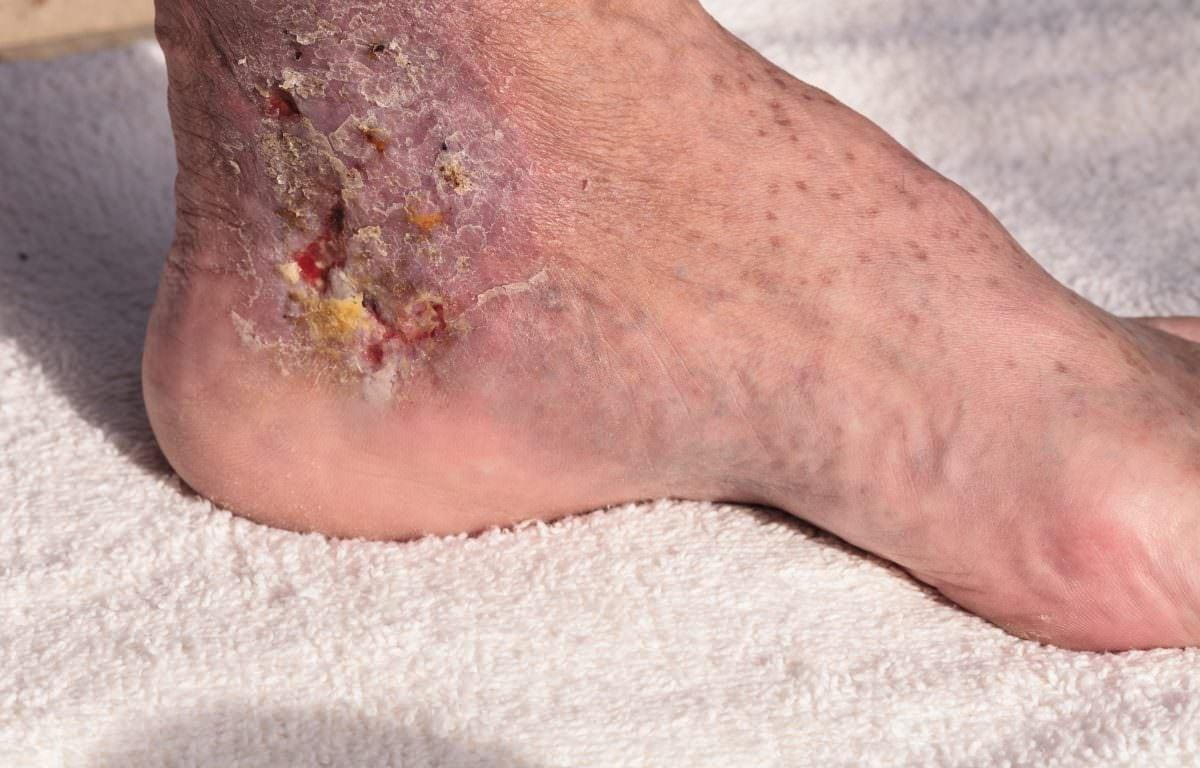

Impaired kidney function can affect:
-
Circulation
-
Immune response
-
Wound healing
Slow-healing sores on the feet may indicate underlying systemic disease.
However, diabetes remains the most common reason for chronic foot ulcers.
If wounds:
-
Persist beyond two weeks
-
Worsen
-
Show signs of infection
Medical evaluation is necessary.
What This Type of Headline Oversimplifies
Not every cracked heel means kidney disease.
In fact:
-
Most dry feet are harmless.
-
Most swelling is unrelated to kidney failure.
-
Many foot symptoms overlap with common conditions.
Kidney disease is diagnosed through:
-
Blood tests (creatinine, GFR)
-
Urine analysis
-
Blood pressure monitoring
Foot changes may be secondary signs — not primary diagnostic indicators.
When to Seek Medical Attention
Consider evaluation if foot changes occur alongside:
-
Persistent fatigue
-
Decreased urine output
-
Foamy urine
-
High blood pressure
-
Unexplained nausea
-
Shortness of breath
Clusters of symptoms matter more than one isolated sign.
A Balanced Perspective
The body often reflects internal health. The feet, being far from the heart and subject to gravity, can show fluid and circulatory changes first.
But viral health headlines frequently:
-
Amplify minor signs
-
Oversimplify complex diseases
-
Create unnecessary anxiety
The responsible approach is awareness without alarm.
Final Takeaway
Swelling, persistent dryness, discoloration, numbness, or non-healing wounds should not be ignored — especially if other systemic symptoms are present.
However:
Not every foot change equals kidney disease.
Kidney health is best assessed through laboratory testing and professional evaluation — not visual inspection alone.
Pay attention to patterns.
Monitor overall health.
Seek medical guidance when symptoms persist.
Awareness empowers. Panic does not.