8 Signs You May Have Low Blood Oxygen Levels (Hypoxemia)
The image shows a person holding their chest while exhaling, with lungs highlighted — suggesting low oxygen levels in the blood. Low blood oxygen, medically called hypoxemia, is a serious condition that requires proper understanding.
Oxygen saturation (SpO₂) is normally between 95% and 100% in healthy adults at sea level. Levels consistently below 90% are considered concerning and may require urgent medical evaluation.
Let’s break down the common warning signs clearly and accurately.
Why Oxygen Levels Matter


Oxygen is carried by hemoglobin in red blood cells and delivered to organs. If oxygen levels drop:
-
The brain becomes affected first
-
The heart works harder
-
Organs may begin to fail if severe
Causes can include:
-
Lung diseases (asthma, pneumonia, COPD)
-
Blood clots (pulmonary embolism)
-
Heart conditions
-
Severe infections
-
High altitude exposure
Now, here are the signs.
1. Shortness of Breath

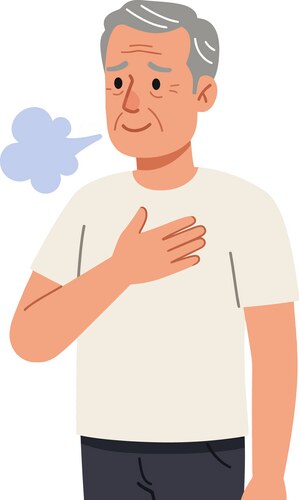

This is the most common symptom.
You may feel:
-
Air hunger
-
Tightness in the chest
-
Difficulty taking deep breaths
Shortness of breath that worsens suddenly or occurs at rest is a red flag.
2. Rapid Breathing (Tachypnea)
The body compensates for low oxygen by increasing breathing rate.
Signs include:
-
Fast, shallow breaths
-
Feeling unable to slow breathing
-
Fatigue from over-breathing
3. Rapid Heart Rate (Tachycardia)
When oxygen is low, the heart pumps faster to deliver more oxygen to tissues.
Symptoms:
-
Palpitations
-
Pounding heartbeat
-
Lightheadedness
Persistent unexplained tachycardia should be evaluated.
4. Confusion or Difficulty Concentrating



The brain is highly sensitive to oxygen changes.
Low oxygen may cause:
-
Confusion
-
Restlessness
-
Poor judgment
-
Memory problems
-
Anxiety
In severe cases, fainting or loss of consciousness can occur.
5. Bluish Lips or Fingertips (Cyanosis)

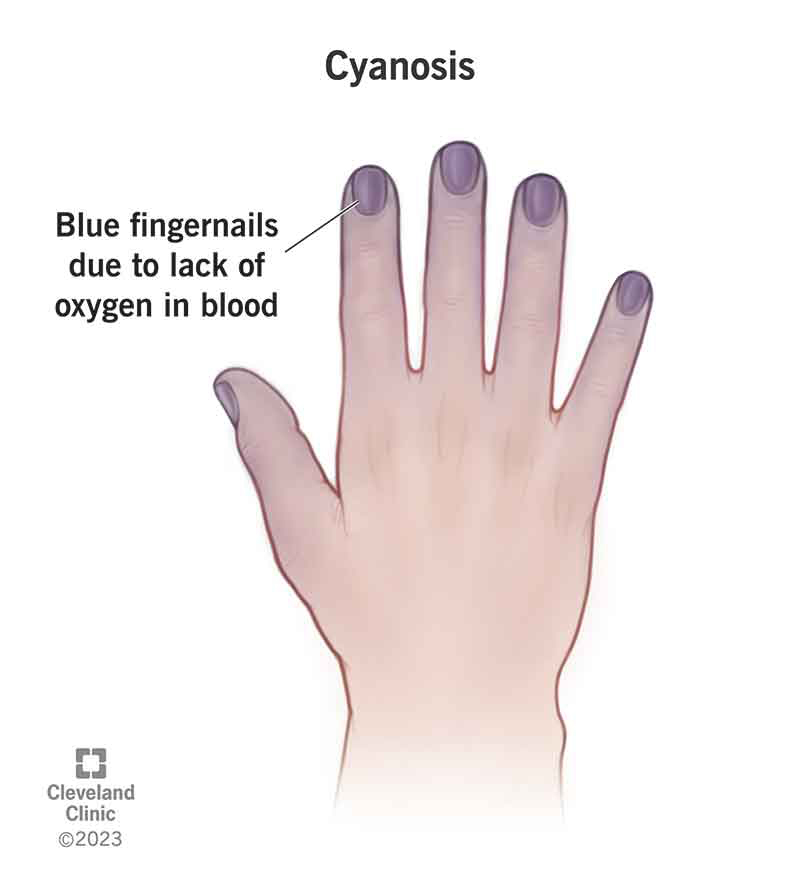
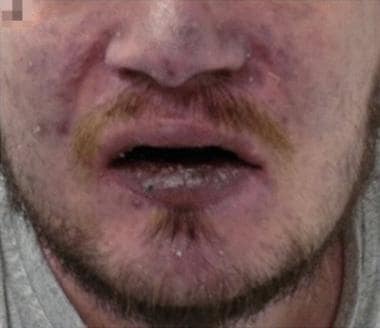
When oxygen levels are critically low, skin may appear bluish — especially:
-
Lips
-
Fingertips
-
Nail beds
This is a medical emergency sign.
6. Persistent Cough or Wheezing
If hypoxemia is caused by lung conditions, you may notice:
-
Chronic cough
-
Wheezing
-
Chest congestion
-
Increased mucus
The underlying lung issue, not oxygen itself, triggers these symptoms.
7. Headache
Low oxygen can dilate blood vessels in the brain, leading to:
-
Dull headaches
-
Pressure sensation
-
Worsening symptoms at altitude
High-altitude sickness is a classic example.
8. Extreme Fatigue

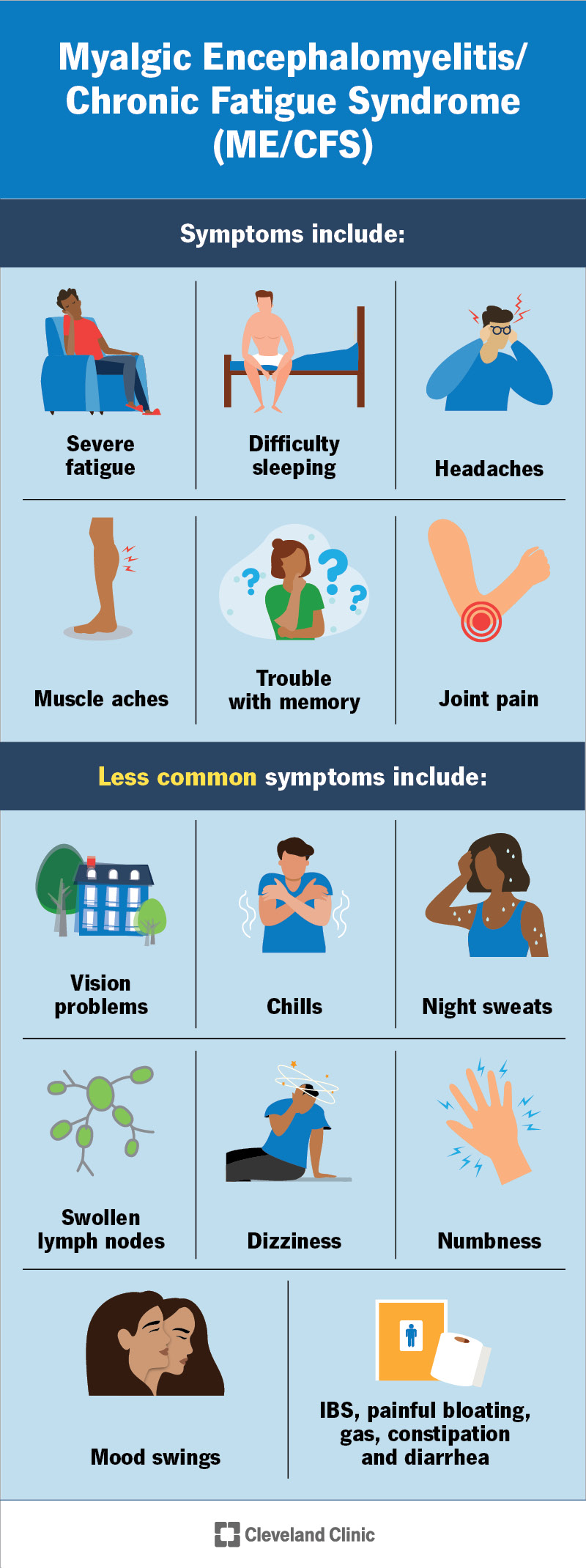

When tissues do not receive adequate oxygen:
-
Energy production drops
-
Muscles weaken
-
Physical endurance decreases
Fatigue alone is nonspecific — but combined with breathing symptoms, it becomes more concerning.
What the Headline Oversimplifies
Not every instance of:
-
Mild fatigue
-
Brief dizziness
-
Occasional shortness of breath
means low oxygen levels.
Many conditions mimic hypoxemia, including:
-
Anxiety
-
Dehydration
-
Anemia
-
Panic attacks
The only way to confirm oxygen levels is through:
-
Pulse oximeter
-
Arterial blood gas testing
Self-diagnosis based on symptoms alone is unreliable.
When to Seek Immediate Help
Call emergency services if there is:
-
Severe shortness of breath
-
Chest pain
-
Blue lips or face
-
Confusion
-
Sudden collapse
These may indicate life-threatening conditions.
Final Takeaway
Low blood oxygen is a serious medical issue — but the body usually provides multiple warning signs, not just one.
Monitor patterns.
Use medical tools when possible.
Do not rely solely on internet symptom lists.
If symptoms are persistent or worsening, professional evaluation is essential.
Oxygen keeps every organ alive. When levels drop significantly, time matters.
Stay informed — but act based on evidence, not fear.