How to Use Rice Water and Ginger for Hair Care
Natural hair care has gained increasing attention in recent years, especially as more people look for simple, affordable, and plant-based alternatives to commercial products. Among the most talked-about traditional remedies are rice water and ginger. Both have long histories in beauty rituals across Asia, and when used correctly, they may help support scalp health and improve the overall appearance of hair.
While these ingredients are not miracle cures for hair loss or severe scalp disorders, they can complement a balanced hair care routine. Understanding how they work — and how to apply them properly — is essential for safe and effective use.
Why Rice Water Is Used for Hair
Rice water is the starchy liquid left after soaking or boiling rice. It contains several components that may benefit hair:
-
Amino acids that support keratin structure
-
B vitamins
-
Vitamin E
-
Minerals
-
Inositol, a carbohydrate believed to strengthen hair strands
Historically, women in certain regions of East Asia were known for maintaining long, glossy hair using fermented rice water as a rinse. Scientific studies suggest that inositol may temporarily penetrate damaged hair and help reduce surface friction, making hair appear smoother and less prone to breakage.
However, the key word is “support.” Rice water conditions the hair shaft — it does not change genetic hair growth patterns.
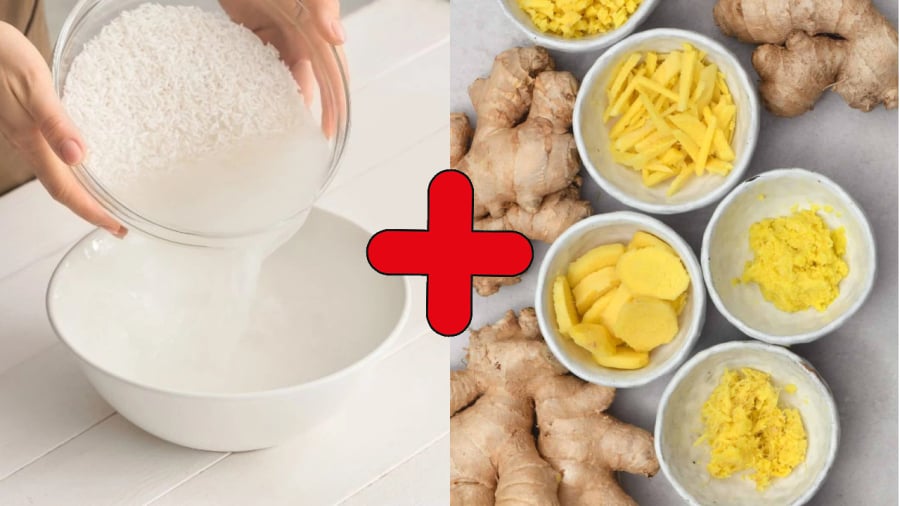
Why Ginger Is Added
Ginger contains bioactive compounds such as gingerol, shogaol, and antioxidants. These compounds are known for:
-
Anti-inflammatory properties
-
Antioxidant effects
-
Potential circulation-stimulating activity
When applied topically to the scalp in diluted form, ginger may create a warming sensation. This mild stimulation can promote blood flow to the scalp surface, which supports follicle health.
It is important to note that ginger does not directly regrow hair in cases of genetic hair loss. However, a healthy scalp environment is essential for optimal hair growth.
How to Prepare Rice Water
There are two common preparation methods:
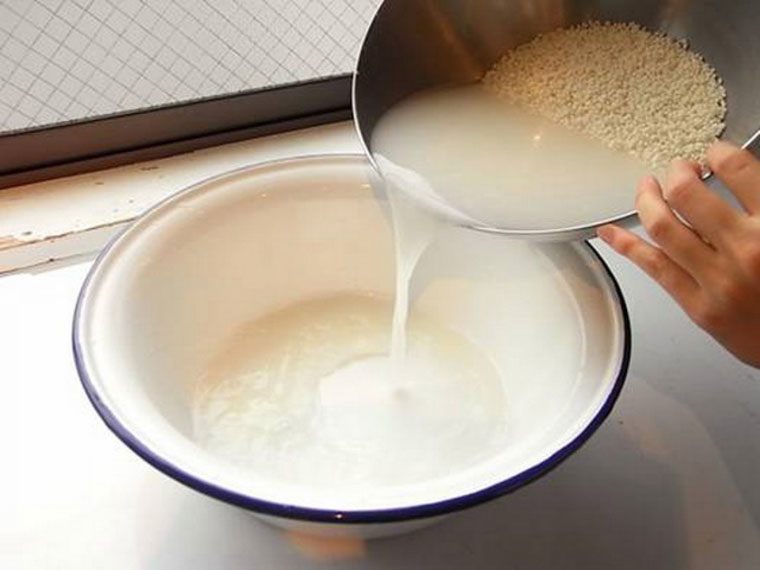
1. Soaking Method (Gentle Option)
This is the simplest and safest method for beginners.
Steps:
-
Rinse ½ cup of uncooked rice thoroughly to remove dirt.
-
Place the rice in a bowl with 2–3 cups of clean water.
-
Let it soak for 30 minutes.
-
Strain the liquid into a separate container.
The collected liquid is your basic rice water.
2. Fermented Rice Water (Stronger Option)
Fermentation increases antioxidant levels but also makes the solution more concentrated.
Steps:
-
Prepare rice water using the soaking method.
-
Leave the strained liquid at room temperature for 12–24 hours.
-
Once it develops a slightly sour smell, refrigerate to slow fermentation.
Before use, dilute fermented rice water with additional water (1:1 ratio) to avoid protein overload.
How to Prepare Ginger for Hair Care
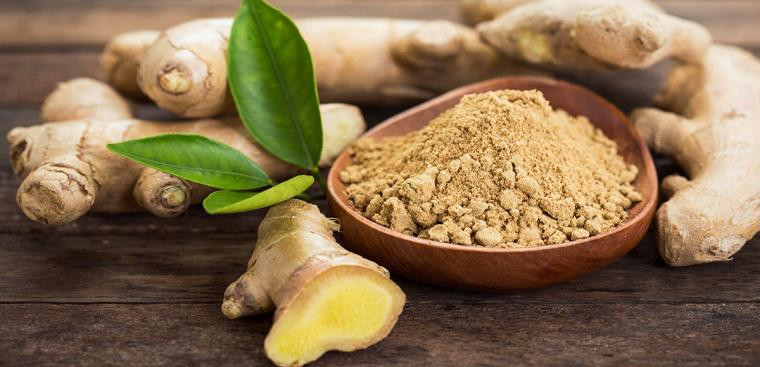
Fresh ginger is preferred.
Steps:
-
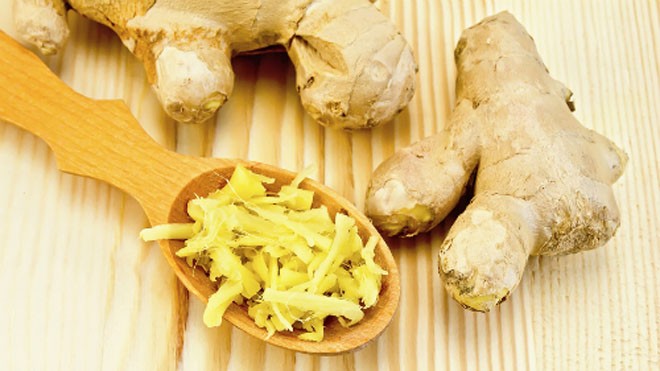
Wash and peel a small piece of ginger root.
-
Grate it finely.
-
Extract the juice by pressing the pulp through a clean cloth or strainer.
Important: Ginger juice is highly concentrated and must be diluted before applying to the scalp.
Method 1: Rice Water and Ginger Scalp Rinse
This method focuses on scalp stimulation and strengthening.
Ingredients:
-
1 cup diluted rice water
-
1–2 teaspoons diluted ginger juice
Instructions:
-
Wash hair with a mild shampoo.
-
Mix ginger juice into rice water.
-
Apply the mixture directly to the scalp.
-
Massage gently for 3–5 minutes.
-
Leave on for 10–15 minutes.
-
Rinse thoroughly with lukewarm water.
Frequency: 1–2 times per week.
Avoid leaving the mixture on for extended periods, especially if you have sensitive skin.
Method 2: Rice Water Conditioning Rinse
For those who prefer a gentler approach, rice water alone can be used as a final rinse.
-
Shampoo hair as usual.
-
Pour diluted rice water over hair and scalp.
-
Leave for 5–10 minutes.
-
Rinse lightly or leave a small amount in.
This method helps smooth the hair cuticle and improve shine.
Method 3: Ginger-Infused Hair Oil
For dry scalps, ginger can be infused into carrier oil.
Ingredients:
-
2 tablespoons coconut oil or jojoba oil
-
1 teaspoon freshly grated ginger
Instructions:
-
Warm the oil gently (do not overheat).
-
Add grated ginger and allow it to infuse for 10–15 minutes.
-
Strain the oil to remove solid particles.
-
Massage a small amount into the scalp.
-
Leave for 20–30 minutes before shampooing.
This method reduces direct irritation compared to applying raw ginger juice.
Potential Benefits
When used properly and consistently, rice water and ginger may:
-
Improve hair smoothness
-
Reduce breakage
-
Add shine
-
Support scalp circulation
-
Help maintain a balanced scalp environment
However, results vary depending on hair type, genetics, and overall health.
Important Precautions
Natural does not always mean risk-free.
Keep in mind:
-
Always perform a patch test before full application.
-
Ginger may cause irritation or burning in sensitive individuals.
-
Excessive rice water use can lead to protein buildup, making hair stiff or brittle.
-
People with scalp conditions (eczema, psoriasis, dermatitis) should consult a healthcare professional before trying topical remedies.
Moderation is key.
Who Should Avoid It?
Those with:
-
Highly sensitive skin
-
Active scalp infections
-
Severe hair thinning due to medical conditions
should seek professional advice before experimenting with DIY treatments.
Supporting Hair Health Beyond Topical Care
Healthy hair depends on more than what is applied externally. Consider:
-
Adequate protein intake
-
Iron and vitamin D levels
-
Hydration
-
Stress management
-
Gentle styling practices
Hair health reflects internal wellness.
Final Thoughts
Rice water and ginger have long been valued in traditional beauty practices. While they are not miracle solutions, they can be incorporated into a thoughtful hair care routine when used safely and moderately.
The key is balance — gentle preparation, proper dilution, and realistic expectations. With consistency and care, these natural ingredients may help support healthier-looking hair and a well-maintained scalp.
As with any home remedy, listen to your body. If irritation occurs, discontinue use and consult a professional.
Hair care is not about quick fixes — it is about long-term maintenance and understanding what works best for your individual needs.