Few household problems are as frustrating — or as unsightly — as moldy, peeling, or flaking paint. What may begin as a small bubble or dark patch can quickly spread, damaging walls and raising concerns about indoor air quality. While repainting might seem like a quick fix, experts warn that surface solutions rarely solve the underlying issue.
In most cases, paint deterioration is not just cosmetic. It is a symptom of excess moisture, poor ventilation, or hidden structural problems. Addressing the root cause is essential to ensuring the damage does not return.
Why Paint Peels and Mold Grows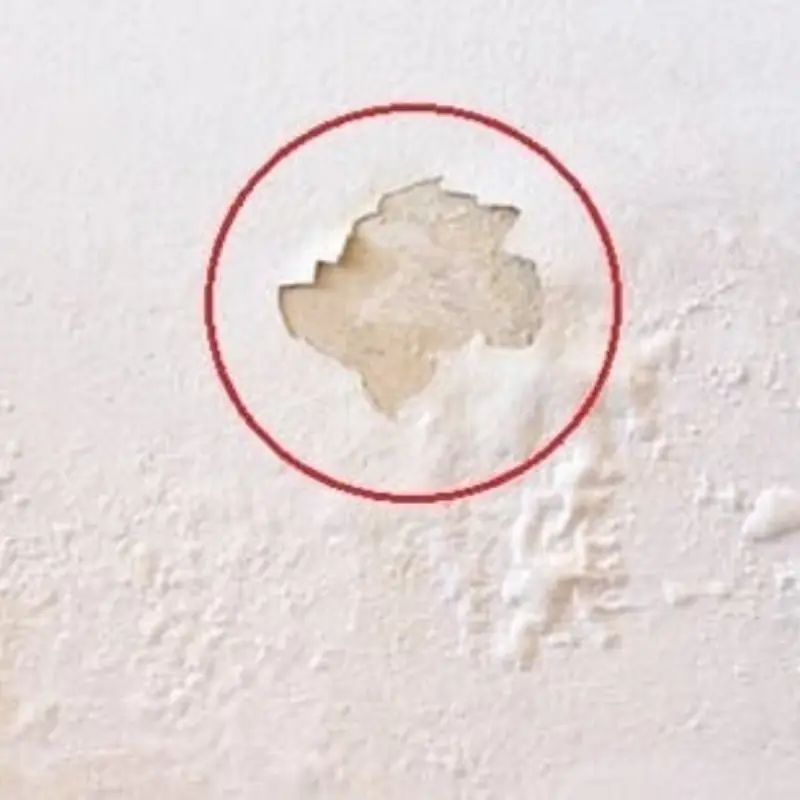
Paint adheres best to clean, dry, and stable surfaces. When moisture seeps into walls — whether from leaks, condensation, or high humidity — it weakens the bond between paint and plaster. Over time, this leads to bubbling, cracking, and flaking.
Mold thrives in similar conditions. Damp, poorly ventilated areas such as bathrooms, kitchens, basements, or rooms with exterior-facing walls are particularly vulnerable. Mold spores settle on moist surfaces and multiply quickly, often appearing as black, green, or brown patches.
Common causes include:
-
Leaking pipes or roofs
-
Rising damp from foundations
-
Condensation due to poor ventilation
-
High indoor humidity levels
-
Inadequate wall insulation
Understanding the source of the problem is the first step toward lasting repair.
Step 1: Identify and Eliminate Moisture Sources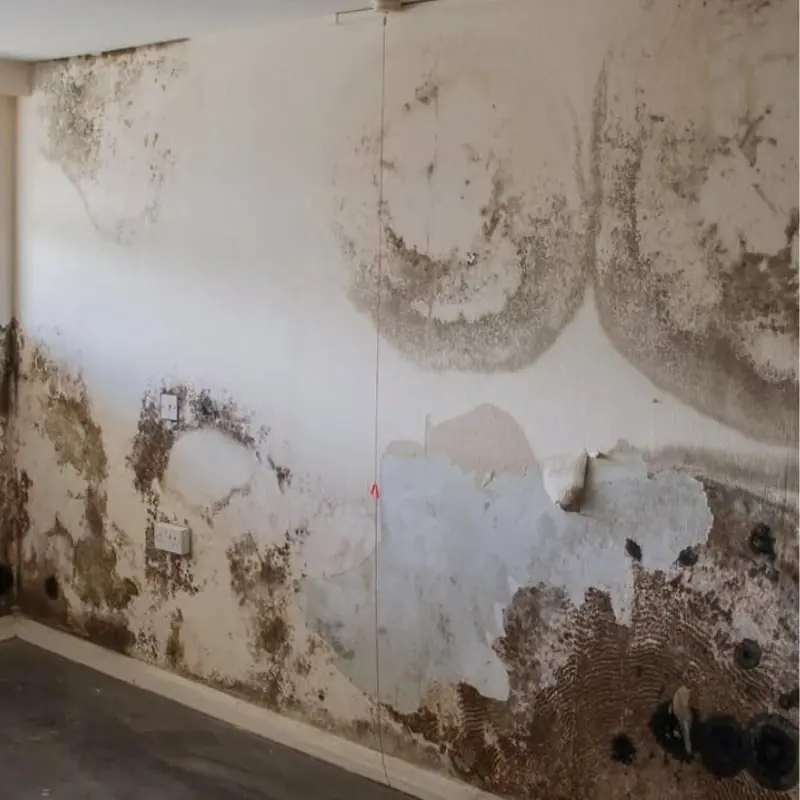
Before scraping or repainting, inspect the area carefully. Check for plumbing leaks, roof damage, cracked exterior walls, or gaps around windows. If condensation is the main issue, improving ventilation may be enough.
Consider installing exhaust fans in bathrooms and kitchens, using a dehumidifier in damp rooms, or simply increasing airflow by opening windows regularly. In severe cases, professional inspection may be necessary to identify hidden structural moisture.
Without resolving moisture problems, new paint will likely fail again.
Step 2: Remove Mold Safely
When dealing with mold, safety should come first. Wear gloves, protective eyewear, and a mask to avoid inhaling spores.
For small areas, a mixture of water and mild detergent may suffice. Some homeowners use diluted vinegar solutions to help eliminate mold on hard surfaces. Avoid mixing cleaning chemicals, and ensure the room is well ventilated during the process.
If mold covers a large area or keeps returning, professional remediation may be required. Extensive mold growth can signal deeper moisture intrusion behind walls.
Step 3: Scrape and Prepare the Surface
Once the area is clean and completely dry, remove all loose or peeling paint. Use a scraper or putty knife to gently lift flaking sections. Sand the edges to create a smooth transition between bare wall and remaining paint.
If the underlying plaster or drywall has been damaged, patch it with filler and allow it to dry thoroughly. Sand again until the surface is even.
Proper preparation is crucial. Skipping this step can result in uneven finishes or future peeling.
Step 4: Prime Before Repainting
Applying primer is often overlooked but essential — especially after mold treatment or surface repair. A high-quality stain-blocking or mold-resistant primer helps seal the surface and improves paint adhesion.
In moisture-prone areas, choose paint specifically labeled as mold-resistant or suitable for high-humidity environments. These products contain additives designed to inhibit mold growth.
Allow sufficient drying time between coats for the best results.
Preventing Future Problems
Prevention is more effective than repeated repairs. Maintaining balanced indoor humidity — ideally between 30% and 50% — significantly reduces the risk of condensation and mold growth.
Other preventive measures include:
-
Repairing leaks promptly
-
Insulating exterior walls properly
-
Using exhaust fans during cooking and showering
-
Cleaning and drying damp areas quickly
-
Regularly inspecting vulnerable spots
Routine maintenance can help detect small issues before they escalate.
When to Call a Professional
While minor paint damage can be handled independently, persistent moisture, widespread mold, or structural deterioration may require expert assessment. Water damage hidden behind walls can weaken materials and compromise indoor air quality.
If peeling paint continues to appear despite repairs, it may indicate a deeper problem that needs professional evaluation.
The Bottom Line
Moldy, peeling, and flaking paint are often warning signs rather than isolated cosmetic flaws. Treating the visible damage without addressing the underlying moisture source will only provide temporary relief.