Pouring salt down the drain is a household tip that has circulated for years. Some people claim it clears clogs, removes odors, deters pests, or even “cleans” pipes. But what actually happens from a scientific and plumbing perspective when salt enters your drainage system?
The truth is more practical than dramatic. Salt can play a limited supportive role in drain maintenance, but it is not a miracle solution — and in some situations, it may even cause problems if overused.
Let’s break down what really happens.
1. Salt as a Mild Abrasive
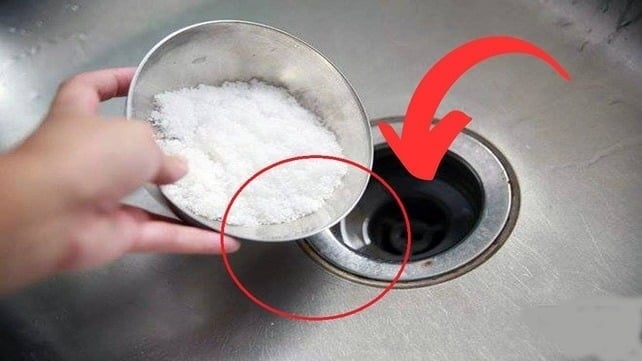
When coarse salt is poured into a drain — especially combined with hot water — it can act as a gentle abrasive.
How it works:
-
Salt crystals create friction.
-
The friction may help dislodge minor grease buildup.
-
It may help loosen small debris near the surface of the pipe.
However, this effect is limited. Salt does not dissolve hardened clogs or large blockages. It may assist only in very early-stage buildup.
Best use case:
Minor grease accumulation in kitchen sinks.
2. Salt and Odor Control
Salt has mild dehydrating properties. When it contacts organic residue:
-
It can draw out moisture.
-
It may reduce bacterial growth in small areas.
-
It can help neutralize minor odors.
That said, salt does not disinfect pipes. Odors usually come from:
-
Food particles
-
Grease buildup
-
Biofilm formation
Salt may slightly reduce smell temporarily, but it does not eliminate the root cause.
3. Salt Combined with Baking Soda and Vinegar
Many home remedies combine:
-
Salt
-
Baking soda
-
Vinegar
Here’s what happens chemically:
-
Baking soda (sodium bicarbonate) reacts with vinegar (acetic acid).
-
The reaction produces carbon dioxide gas (bubbling).
-
The fizz may help loosen light debris.
Salt in this mixture acts mainly as an abrasive agent.
Important:
The chemical reaction is mild. It is not strong enough to dissolve serious clogs such as:
-
Thick grease layers
-
Hair blockages
-
Tree root intrusion
4. Does Salt Kill Drain Flies or Insects?
Some people pour salt to deter drain insects.
Salt can dehydrate small insects on direct contact, but it does not eliminate breeding sites inside pipes. Drain flies typically reproduce in organic slime lining the pipe walls. Removing that buildup requires mechanical cleaning, not just salt.
5. Can Salt Damage Pipes?
This is an important consideration.
Salt is corrosive over time — especially to:
-
Metal pipes
-
Older plumbing systems
-
Galvanized steel components
In modern PVC plumbing, occasional salt use is unlikely to cause immediate harm. However, frequent heavy use could contribute to corrosion in metal sections of the system.
Additionally, large amounts of salt entering septic systems may disrupt bacterial balance needed for proper waste breakdown.
Moderation is essential.
6. What Salt Cannot Do
Salt cannot:
-
Remove solid blockages
-
Break down plastic or large food debris
-
Repair pipe damage
-
Replace professional drain cleaning
-
Dissolve thick hair clogs effectively
For persistent clogs, mechanical methods such as:
-
Drain snakes
-
Plungers
-
Professional hydro-jetting
are far more effective.
7. When Using Salt Makes Sense
Salt may be helpful in these situations:
-
Light grease prevention in kitchen drains
-
Mild odor reduction
-
Routine maintenance (occasional use)
-
As part of a baking soda cleaning method
Recommended method:
-
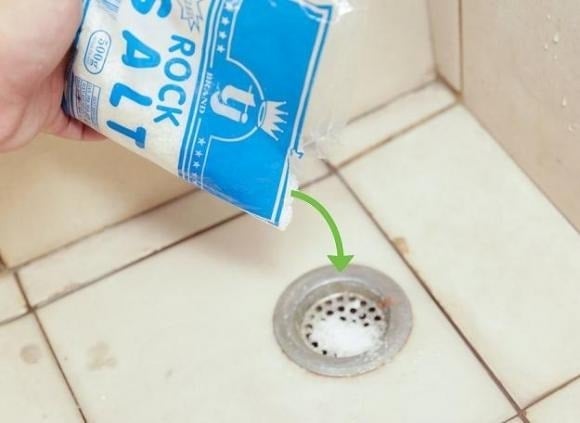
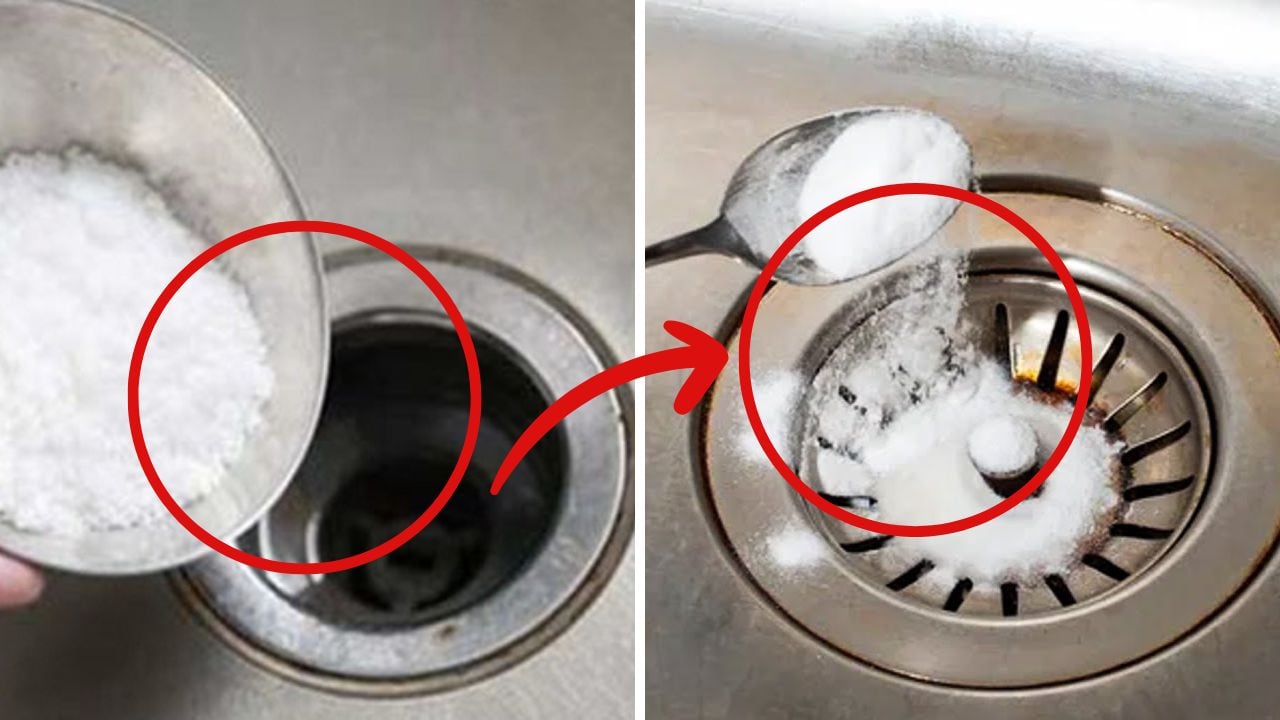
Pour half a cup of coarse salt into the drain.
-
Follow with hot (not boiling) water.
-
Use sparingly — perhaps once a month at most.
Avoid pouring boiling water into PVC pipes, as extreme heat may weaken joints over time.
8. Better Alternatives for Drain Maintenance
For long-term drain health:
-
Avoid pouring grease down sinks.
-
Use drain strainers to catch food and hair.
-
Clean regularly with hot water and mild dish soap.
-
Schedule professional inspection if clogs persist.
Prevention is more effective than reaction.
Final Thoughts
When you put salt down the drain, it may provide minor abrasive cleaning and temporary odor reduction. However, its effects are limited and situational.
Salt is not a substitute for proper plumbing care. Used occasionally and in moderation, it can support light maintenance — but relying on it to solve serious drainage issues is unrealistic.
Understanding what household remedies can and cannot do helps avoid damage, frustration, and costly repairs.