Raw foods have long been associated with freshness, vitality, and nutrient preservation. While not all foods are best consumed uncooked, certain ingredients retain particularly valuable compounds in their natural state. Heat can sometimes degrade vitamins, enzymes, or phytonutrients, making raw consumption beneficial in specific cases.
It is important to note that eating raw does not automatically mean healthier. Food safety, digestion, and balance matter. However, some raw ingredients are especially recognized for their nutritional density and bioactive properties.
Here are four raw ingredients widely studied for their impressive health-supporting qualities.
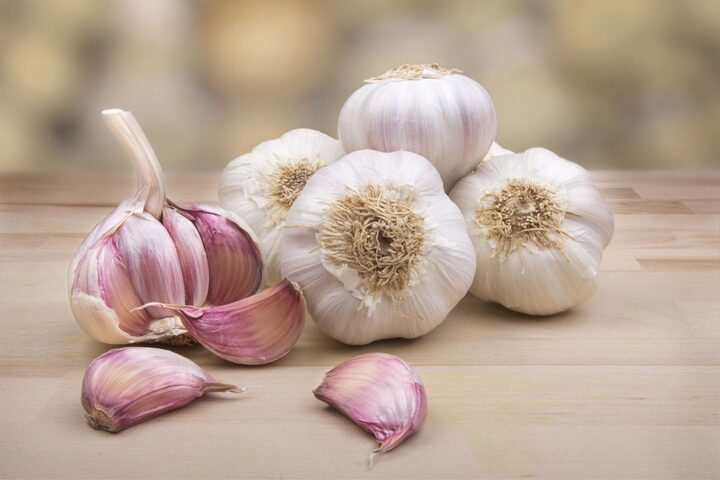
1. Raw Garlic
Garlic has been used medicinally for thousands of years across various cultures. When consumed raw, it contains a sulfur compound called allicin, which forms when garlic is chopped or crushed.
Why Raw Matters
Allicin is heat-sensitive. Cooking garlic at high temperatures can significantly reduce this compound. Consuming garlic raw or lightly crushed preserves more of its active components.
Potential Benefits
Research suggests raw garlic may:
-
Support cardiovascular health
-
Help regulate blood pressure
-
Contribute to cholesterol balance
-
Provide antimicrobial properties
-
Offer antioxidant protection
Allicin has been studied for its potential role in reducing oxidative stress and supporting immune function.
How to Use
-
Finely chop and let it sit for 5–10 minutes before eating (this allows allicin to form).
-
Mix into salad dressings.
-
Add to yogurt-based dips.
-
Combine with honey to soften the flavor.
Note: Raw garlic can cause digestive irritation in some individuals. Moderation is important.
2. Raw Spinach
Spinach is often lightly cooked, but in its raw form it retains higher levels of certain heat-sensitive nutrients, including vitamin C and folate.
Nutritional Profile
Raw spinach provides:
-
Vitamin C
-
Vitamin K
-
Folate
-
Iron (non-heme form)
-
Magnesium
-
Plant antioxidants such as lutein and beta-carotene
Health Advantages
Raw spinach may:
-
Support immune health
-
Contribute to eye protection (due to lutein and zeaxanthin)
-
Aid in maintaining bone health
-
Provide anti-inflammatory plant compounds
While cooking can increase absorption of some nutrients like iron, raw spinach preserves vitamin C, which helps improve iron absorption when eaten together.
How to Use
-
Add to smoothies.
-
Use as a salad base.
-
Blend into raw sauces.
-
Mix with citrus for enhanced nutrient absorption.
Individuals prone to kidney stones should monitor spinach intake due to oxalate content.

3. Raw Honey (Unprocessed)
Unlike heavily filtered or heated commercial honey, raw honey retains trace enzymes, antioxidants, and pollen components.
What Makes Raw Honey Different
Raw honey is:
-
Unheated
-
Minimally filtered
-
Free from added sugars
It contains small amounts of:
-
Flavonoids
-
Phenolic acids
-
Natural enzymes
Potential Benefits
Raw honey may:
-
Provide antioxidant support
-
Soothe mild throat irritation
-
Offer mild antimicrobial properties
-
Serve as a natural energy source
However, honey is still sugar and should be consumed in moderation. It is not suitable for infants under one year old due to the risk of botulism.

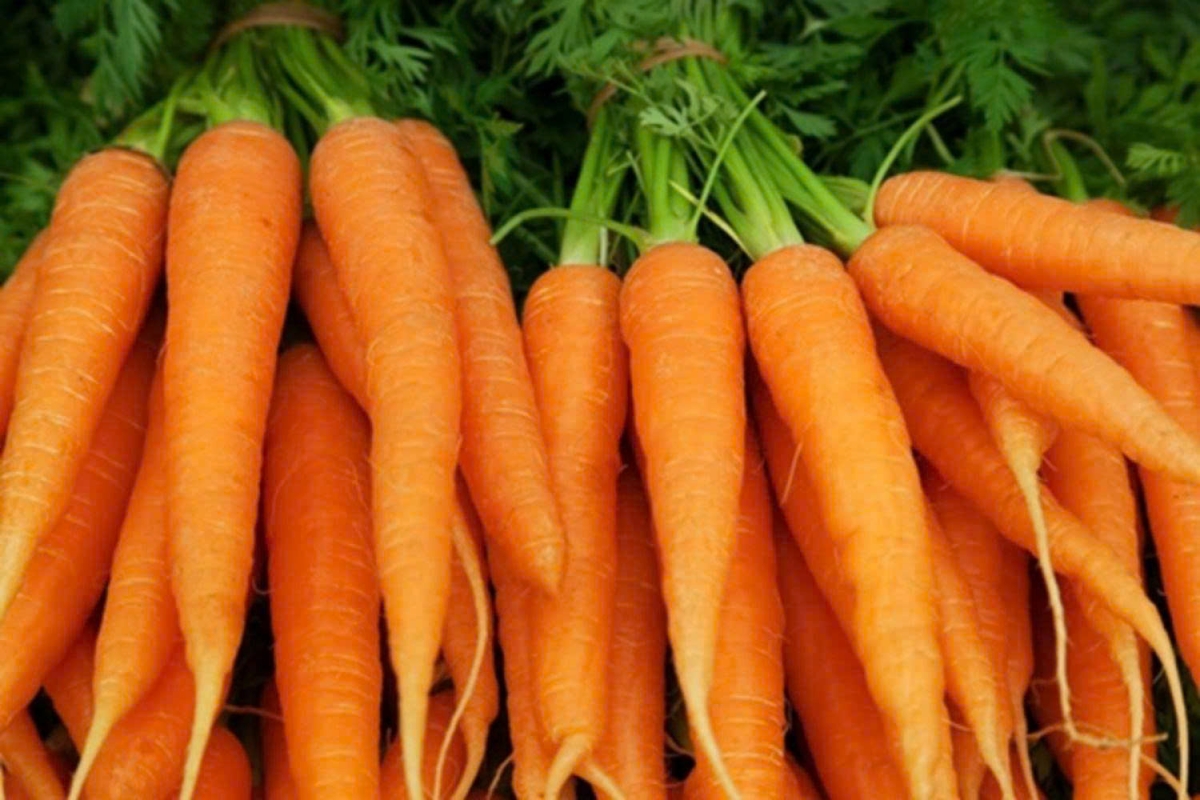
4. Raw Carrots
Carrots are often cooked, but raw carrots provide unique benefits due to their fiber structure and enzyme preservation.
Nutritional Highlights
Raw carrots are rich in:
-
Beta-carotene
-
Fiber
-
Potassium
-
Vitamin K1
Beta-carotene converts to vitamin A, supporting:
-
Vision
-
Skin health
-
Immune function
Benefits of Eating Them Raw
Raw carrots:
-
Require more chewing, aiding digestion
-
Provide intact fiber for gut health
-
Help support blood sugar stability due to fiber content
Cooking can increase beta-carotene absorption, but raw carrots still offer strong nutritional value, especially for digestive support.
The Balance Between Raw and Cooked
It is important to recognize that both raw and cooked foods have advantages.
-
Cooking improves digestibility of some vegetables.
-
Heat increases availability of certain antioxidants.
-
Raw foods preserve vitamin C and some enzymes.
A balanced diet typically includes both raw and cooked ingredients.
Food Safety Considerations
When consuming raw ingredients:
-
Wash thoroughly.
-
Choose high-quality sources.
-
Store properly.
-
Avoid raw animal products unless safely handled.
Not all foods are safe to eat raw, and individuals with weakened immune systems should be cautious.
Final Thoughts
Raw garlic, spinach, honey, and carrots are four ingredients known for their impressive health-supporting properties when consumed in their natural state. They offer antioxidants, vitamins, minerals, and bioactive compounds that contribute to overall wellness.
However, health benefits depend on moderation, dietary balance, and proper preparation. No single raw ingredient replaces a varied and nutrient-rich diet.
Incorporating select raw foods thoughtfully — alongside cooked meals — can enhance nutritional diversity and support long-term health.