Guava may look like a simple tropical fruit, but nutrition experts say it delivers an impressive range of health benefits. With its fragrant aroma, sweet-tart flavor, and vibrant pink or white flesh, guava has long been enjoyed in many parts of the world. Now, health professionals are drawing attention to what can happen when you add this fruit to your regular diet.
From supporting immunity to improving digestion, guava packs more nutritional power than many people realize.
A Vitamin C Powerhouse
One of guava’s most remarkable features is its exceptionally high vitamin C content. In fact, a single guava can provide more than double the recommended daily intake of this essential nutrient.
Vitamin C plays a key role in supporting the immune system. It helps the body defend itself against infections and promotes faster recovery from common illnesses. Regular consumption of vitamin C–rich foods like guava may also help reduce oxidative stress, thanks to its antioxidant properties.
Antioxidants help protect cells from damage caused by free radicals, which are linked to aging and various chronic conditions.
Improved Digestive Health
Guava is rich in dietary fiber, which supports healthy digestion. Fiber helps regulate bowel movements, prevent constipation, and promote overall gut health.
Nutritionists note that eating guava with its edible seeds can further increase fiber intake. A fiber-rich diet supports the growth of beneficial gut bacteria, which play a role in immune function and nutrient absorption.
For individuals seeking natural ways to improve digestion, incorporating guava into meals or snacks can be a simple and effective step.
Heart Health Support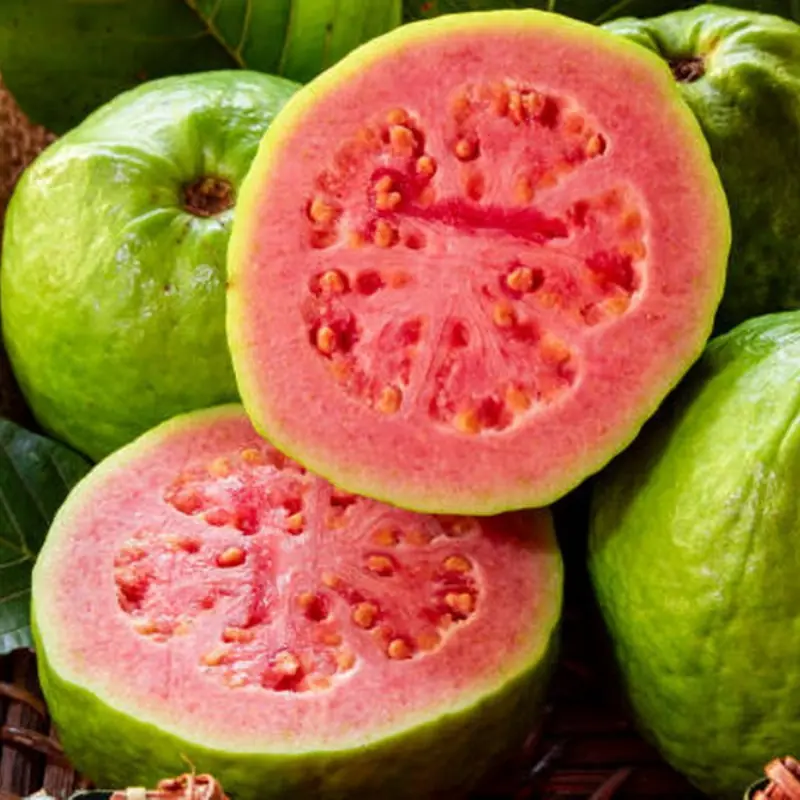
Another benefit associated with guava consumption is improved heart health. The fruit contains potassium, which helps regulate blood pressure by balancing sodium levels in the body.
In addition, the fiber and antioxidants found in guava may contribute to lower levels of “bad” LDL cholesterol. Maintaining healthy cholesterol levels is important for reducing the risk of cardiovascular disease.
Some studies suggest that regularly eating fiber-rich fruits may support better overall cardiovascular function.
Blood Sugar Management
Despite its sweet taste, guava has a relatively low glycemic index compared to many other fruits. This means it does not cause sharp spikes in blood sugar levels when consumed in moderation.
The fiber content also slows the absorption of sugar into the bloodstream. For individuals monitoring their blood glucose levels, guava can be a suitable fruit option as part of a balanced diet.
However, experts advise moderation and recommend consulting a healthcare provider for personalized dietary guidance, especially for those with diabetes or other metabolic conditions.
Skin and Anti-Aging Benefits
The antioxidants in guava do more than support internal health — they may also benefit the skin. Vitamin C is crucial for collagen production, a protein that keeps skin firm and elastic.
Regular intake of vitamin C–rich fruits may contribute to a brighter complexion and improved skin texture over time. Some people also use guava leaves in traditional remedies for their potential antimicrobial properties, although more scientific research is needed in this area.
Weight Management
Guava is relatively low in calories but high in nutrients and fiber, making it a satisfying snack option. Because fiber promotes fullness, eating guava may help reduce overeating and unnecessary snacking.
Replacing high-calorie processed snacks with whole fruits like guava can support weight management goals without sacrificing flavor.
Are There Any Precautions?
While guava is generally safe for most people, excessive consumption of any food can cause digestive discomfort. Eating too many guavas in a short period may lead to bloating due to the high fiber content.
Additionally, individuals with specific medical conditions should seek medical advice before making significant dietary changes.
Balance remains key. Including guava as part of a varied diet rich in fruits, vegetables, lean proteins, and whole grains provides the best results.
A Simple Addition with Big Benefits
Guava may not always receive the same attention as more commonly marketed “superfoods,” but its nutritional profile speaks for itself. Rich in vitamin C, fiber, potassium, and antioxidants, this tropical fruit offers multiple health advantages in a compact package.