Stomach cancer, also known as gastric cancer, often develops silently. In its early stages, symptoms may be vague, mild, or easily mistaken for common digestive issues such as gastritis, acid reflux, or indigestion. This is one reason why many cases are diagnosed at a later stage, when the disease has already progressed.
Medical experts emphasize that persistent digestive symptoms — particularly those occurring after meals — should not be ignored, especially when they are new, worsening, or resistant to standard treatment.
It is important to clarify that experiencing these symptoms does not automatically mean cancer is present. However, when they persist over weeks or months, medical evaluation becomes essential.
Below are five post-meal symptoms that doctors say may warrant closer attention.
1. Persistent Fullness After Small Meals (Early Satiety)
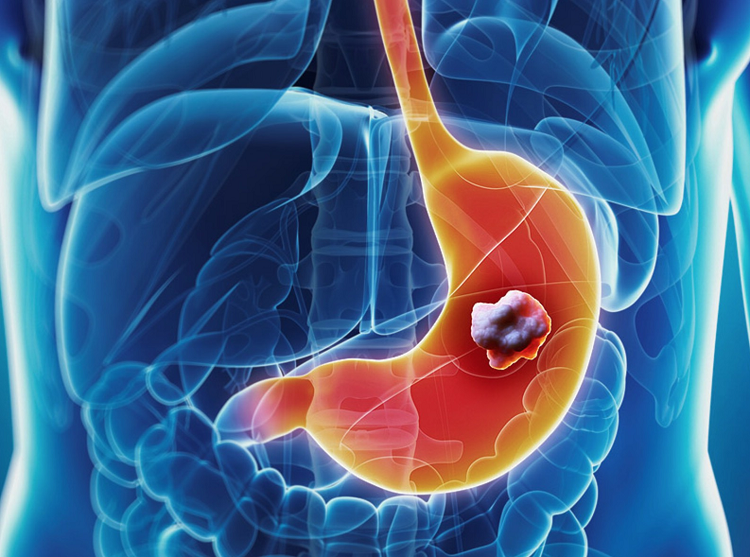
One of the most common warning signs is feeling unusually full after eating only a small amount of food.
This is known as early satiety.
People may notice:
-
Inability to finish normal portions
-
Rapid fullness within a few bites
-
Loss of appetite after minimal intake
In advanced cases, a tumor may partially obstruct the stomach or interfere with normal gastric emptying. This leads to reduced stomach capacity or impaired digestion.
While early satiety can also occur with stress, ulcers, or acid disorders, persistent and unexplained early fullness should be investigated.
2. Ongoing Upper Abdominal Pain or Discomfort After Eating
Many individuals with stomach cancer report chronic discomfort in the upper abdomen, particularly after meals.
Symptoms may include:
-
Burning sensation
-
Dull aching pain
-
Pressure or heaviness
-
Persistent indigestion
Unlike occasional heartburn, cancer-related discomfort often:
-
Does not improve with antacids
-
Gradually worsens
-
Becomes more constant over time
Because these symptoms overlap with common digestive conditions, they are often dismissed early on.
3. Nausea or Vomiting After Meals
Frequent nausea after eating, especially when persistent, may signal underlying gastric dysfunction.
In more advanced cases, vomiting may occur due to partial obstruction of the stomach outlet.
Concerning features include:
-
Recurrent vomiting
-
Vomiting undigested food
-
Vomiting with blood (a medical emergency)
Occasional nausea is common. However, repeated post-meal nausea that does not resolve should prompt evaluation.
4. Unexplained Weight Loss Despite Eating
Unintentional weight loss is one of the most significant warning signs in many cancers.
In stomach cancer, weight loss may result from:
-
Reduced appetite
-
Early satiety
-
Poor nutrient absorption
-
Increased metabolic demand of tumor growth
If a person loses weight without trying — particularly when accompanied by digestive symptoms — medical assessment is necessary.
Doctors often consider unexplained weight loss a red-flag symptom.
5. Bloating and Visible Abdominal Distension After Eating
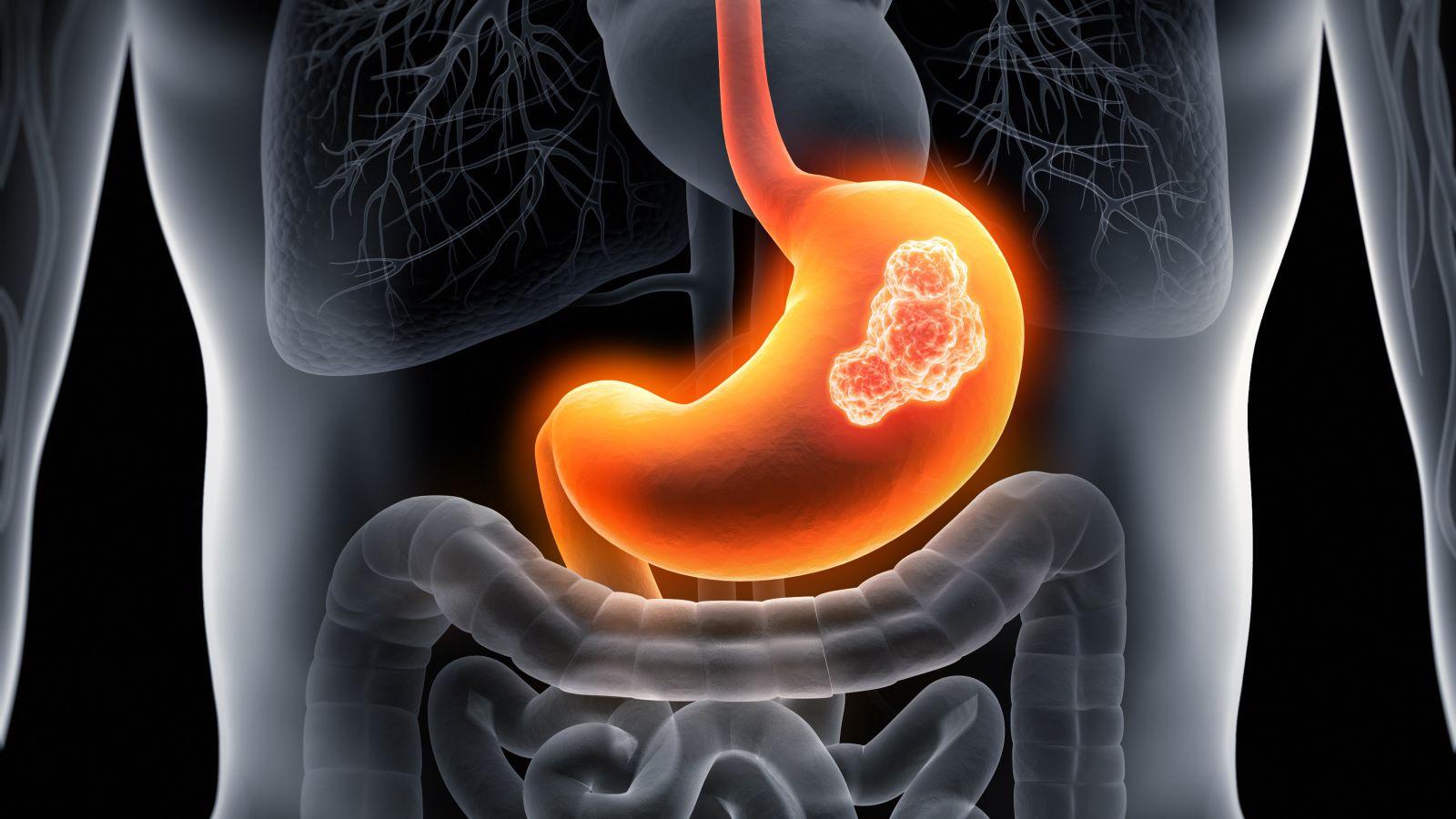
Post-meal bloating is common, but persistent, severe, or progressive abdominal distension may indicate impaired gastric emptying or fluid accumulation.
Symptoms may include:
-
Swelling after meals
-
Feeling overly tight in the upper abdomen
-
Frequent belching
In advanced cases, fluid buildup (ascites) may occur.
Again, bloating alone is not diagnostic. The concern arises when symptoms are persistent, progressive, and accompanied by other warning signs.
Why Stomach Cancer Is Often Detected Late
Stomach cancer frequently progresses silently because early symptoms resemble benign conditions such as:
-
Acid reflux
-
Gastritis
-
Peptic ulcers
-
Functional dyspepsia
Many individuals self-treat with over-the-counter medications, delaying formal diagnosis.
Risk factors include:
-
Helicobacter pylori infection
-
Smoking
-
High-salt diet
-
Processed meat consumption
-
Family history of gastric cancer
-
Chronic gastritis
Regular screening may be recommended in high-risk populations.
When to Seek Medical Attention
Doctors advise medical evaluation if digestive symptoms:
-
Persist longer than 2–3 weeks
-
Worsen over time
-
Do not respond to medication
-
Occur alongside weight loss or fatigue
-
Include blood in vomit or stool
Diagnostic tests may include:
-
Upper endoscopy
-
Biopsy
-
Imaging scans
-
Blood tests
Early detection significantly improves treatment outcomes.
Important Perspective
It is crucial not to panic.
Most cases of indigestion, bloating, or nausea are not cancer. However, persistent and unexplained symptoms should never be ignored.
The goal of awareness is not fear — it is early action.
Final Thoughts
Stomach cancer often develops quietly, and early symptoms can mimic common digestive problems. Persistent fullness after small meals, chronic upper abdominal discomfort, nausea, unexplained weight loss, and ongoing bloating after eating may signal the need for medical evaluation — especially if symptoms are new or worsening.
Listening to your body and seeking timely medical advice can make a critical difference. When it comes to digestive health, persistent changes deserve attention.