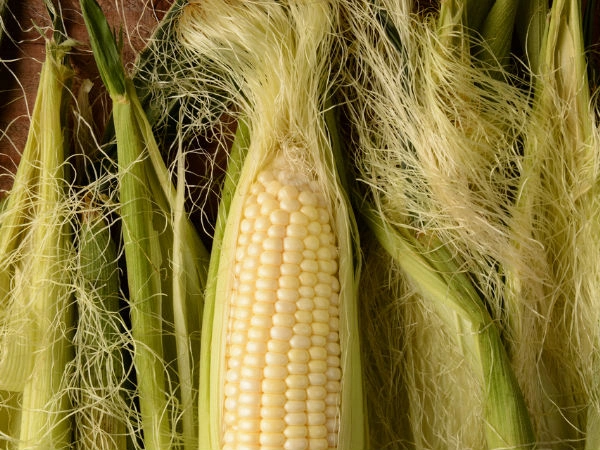
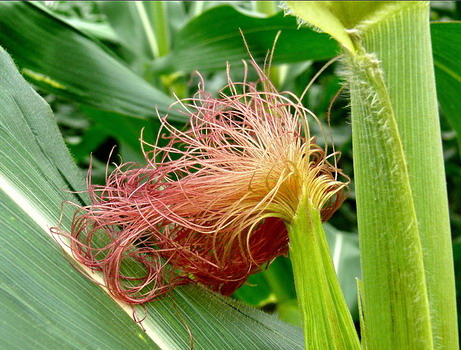
Corn silk — the long, glossy threads found beneath the husk of corn — is often discarded as agricultural waste. However, in traditional herbal medicine systems across Asia, Europe, and the Americas, corn silk has been valued for centuries as a natural remedy.
Modern research is beginning to explore the bioactive compounds found in corn silk, including flavonoids, saponins, alkaloids, potassium salts, and antioxidants. While evidence is still developing and more large-scale human studies are needed, corn silk may offer several supportive health benefits when used appropriately.
Below are seven potential benefits and practical guidance on safe and effective use.

1. May Support Urinary Tract Health
One of the most traditional uses of corn silk is as a mild diuretic.
It may help:
-
Increase urine output
-
Support bladder function
-
Promote urinary flow
Because of its natural diuretic effect, corn silk tea has historically been used to relieve mild urinary discomfort. By encouraging urine production, it may help flush the urinary tract.
However, it should not replace antibiotics in cases of bacterial infection. Persistent urinary symptoms require medical evaluation.
2. May Help Reduce Mild Fluid Retention
Corn silk contains potassium and compounds that may influence fluid balance.
As a gentle diuretic, it may help:
-
Reduce mild swelling
-
Support kidney filtration
-
Decrease temporary water retention
This effect is usually mild and gradual. Individuals with kidney disease should consult a healthcare provider before using diuretic herbs.
3. Potential Anti-Inflammatory Effects
Flavonoids in corn silk have demonstrated anti-inflammatory properties in laboratory studies.
Chronic inflammation plays a role in many conditions, including:
-
Cardiovascular disease
-
Metabolic imbalance
-
Joint discomfort
While corn silk is not a treatment for inflammatory diseases, its antioxidant profile may contribute to overall inflammation balance as part of a healthy lifestyle.
4. May Support Blood Sugar Regulation
Some animal studies suggest that corn silk extracts may influence glucose metabolism.
Potential mechanisms include:
-
Supporting insulin activity
-
Reducing oxidative stress
-
Improving glucose tolerance
However, human data remains limited. Individuals with diabetes should not rely on corn silk as a substitute for prescribed treatment.
5. Rich in Antioxidants
Corn silk contains polyphenols and flavonoids that help neutralize free radicals.
Antioxidants may:
-
Protect cells from oxidative damage
-
Support immune function
-
Promote healthy aging
Although the antioxidant levels are moderate, regular herbal tea consumption can contribute to overall dietary antioxidant intake.
6. May Support Blood Pressure Balance
Due to its mild diuretic properties and potassium content, corn silk may contribute to maintaining healthy blood pressure levels in some individuals.
Excess sodium retention can increase blood pressure. By supporting fluid balance, corn silk may indirectly assist in cardiovascular regulation.
However, it should not replace blood pressure medication.
7. Traditionally Used for Kidney and Bladder Comfort
In herbal traditions, corn silk has been used to:
-
Soothe bladder irritation
-
Support kidney health
-
Ease mild urinary discomfort
While these uses are historically documented, modern clinical evidence remains limited.
Still, many people use corn silk tea as a gentle supportive tonic for urinary health.
How to Use Corn Silk Effectively
1. Corn Silk Tea (Most Common Method)
Preparation:
-
Use fresh or dried corn silk.
-
Add 1–2 tablespoons to 1 cup of boiling water.
-
Steep for 10–15 minutes.
-
Strain and drink warm.
It can be consumed once or twice daily in moderate amounts.

2. Dried Corn Silk Infusion
Dry the silk thoroughly in a clean environment.
Store in an airtight container.
Use as needed for tea preparation.
3. Powder or Capsule Form
Corn silk supplements are available in capsule form.
Always follow manufacturer dosing instructions and consult a healthcare provider.
Safety Considerations
Although generally considered safe in moderate amounts, corn silk may:
-
Increase urination
-
Interact with diuretic medications
-
Affect blood sugar levels
-
Influence potassium balance
Avoid use if:
-
You are pregnant (unless advised by a healthcare provider)
-
You have advanced kidney disease
-
You are taking prescription diuretics
Always consult a medical professional before adding herbal remedies to your routine.
Important Clarification
Corn silk is not a miracle cure. It does not detoxify the body in a medical sense, nor does it replace professional treatment.
Its potential benefits are supportive and modest, best used as part of:
-
A balanced diet
-
Adequate hydration
-
Regular physical activity
-
Proper medical care

Final Thoughts
Corn silk, often overlooked and discarded, contains bioactive compounds that may support urinary health, fluid balance, antioxidant protection, and metabolic stability.
When used moderately and responsibly, corn silk tea can serve as a gentle herbal addition to a wellness routine. However, informed use and medical consultation remain essential — especially for individuals with chronic conditions.
Nature provides many valuable plant compounds, but their strength lies in complementing — not replacing — evidence-based healthcare.