Kidney disease is often perceived as a condition affecting older adults. However, physicians increasingly report cases of declining kidney function in younger individuals — sometimes even before the age of 30. In many cases, the damage does not occur suddenly. Instead, it develops gradually due to repeated daily habits that strain the kidneys over time.
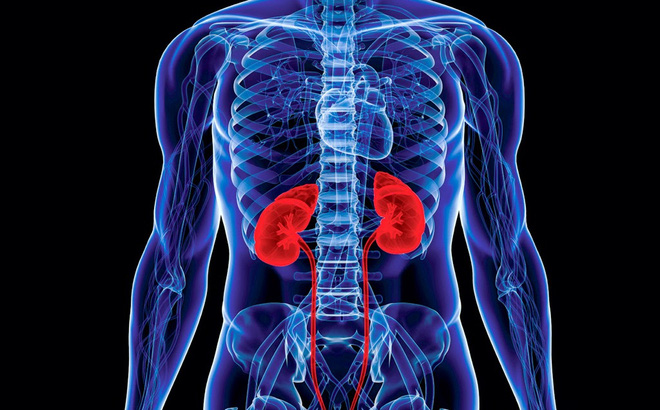
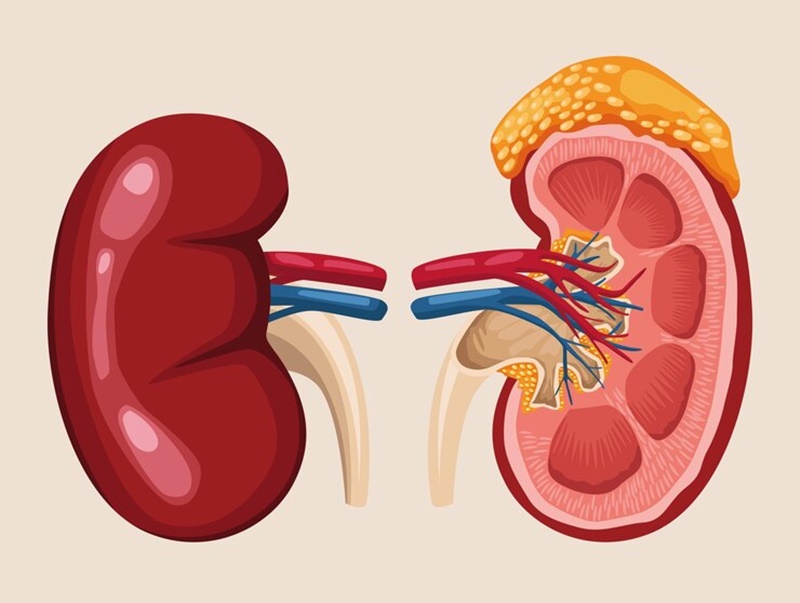
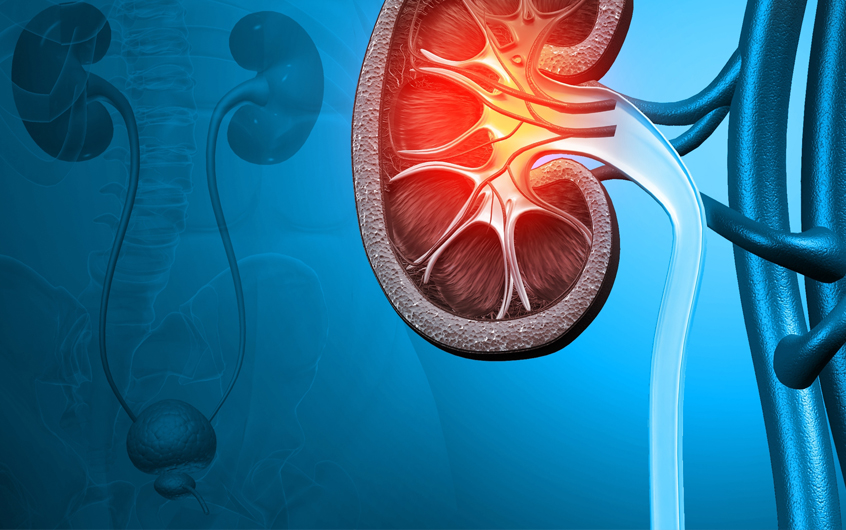
The kidneys are highly resilient organs. They filter approximately 50 gallons of blood per day, regulate fluid balance, control blood pressure, maintain electrolyte stability, and remove metabolic waste. Because they compensate well in early stages, damage may go unnoticed until function has significantly declined.
Doctors warn that certain everyday routines — especially when repeated consistently — may increase the risk of early kidney damage.
Below are two of the most common habits linked to kidney strain in young adults.
1. Chronic Dehydration and Excessive Sugary or High-Sodium Beverage Intake
Why Hydration Matters
The kidneys rely on adequate fluid intake to filter toxins efficiently. When the body is dehydrated:
-
Blood becomes more concentrated.
-
Waste products are harder to eliminate.
-
Kidney filtration pressure increases.
-
The risk of kidney stones rises.
Chronic low fluid intake forces the kidneys to work under strain for extended periods.
The Problem with Sugary Drinks
Many young people replace water with:
-
Soft drinks
-
Energy drinks
-
Sweetened iced teas
-
Flavored bottled beverages
These drinks often contain:
-
High levels of sugar
-
Phosphoric acid
-
Sodium
-
Artificial additives
High sugar intake may contribute to:
-
Insulin resistance
-
Obesity
-
Type 2 diabetes
Diabetes is one of the leading causes of chronic kidney disease worldwide.
Additionally, high sodium intake increases blood pressure. Elevated blood pressure damages the tiny filtering units in the kidneys (glomeruli), gradually reducing filtration efficiency.
Long-Term Consequences
Over time, chronic dehydration combined with high-sugar or high-sodium beverage consumption may lead to:
-
Kidney stones
-
Hypertension
-
Protein leakage in urine
-
Reduced kidney filtration rate (eGFR decline)
Young adults often underestimate these risks because symptoms may not appear early.
2. Frequent Use of Over-the-Counter Painkillers Without Medical Supervision
Common Medications Involved
Nonsteroidal anti-inflammatory drugs (NSAIDs) such as:
-
Ibuprofen
-
Naproxen
-
Certain combination pain relievers
These medications are widely available and commonly used for:
-
Headaches
-
Menstrual pain
-
Muscle soreness
-
Sports injuries
How They Affect the Kidneys
NSAIDs reduce the production of prostaglandins — compounds that help maintain blood flow to the kidneys.
When taken frequently or in high doses:
-
Blood flow to the kidneys may decrease.
-
Filtration efficiency may decline.
-
Risk of acute kidney injury increases.
-
Long-term chronic kidney damage may develop.
The risk is higher in individuals who:
-
Are dehydrated
-
Exercise intensely without proper hydration
-
Combine painkillers with alcohol
-
Have underlying health conditions
Young athletes and students under academic stress may unknowingly overuse these medications.
Silent Progression
Kidney damage from medication overuse may develop quietly, with no early warning signs. By the time symptoms such as swelling or fatigue appear, significant damage may already have occurred.
Why Kidney Damage Often Goes Unnoticed
Early kidney disease is typically asymptomatic.
Common late-stage signs include:
-
Swelling in legs or face
-
Persistent fatigue
-
Changes in urination
-
Foamy urine (protein loss)
-
High blood pressure
Routine blood and urine tests are often the only way to detect early kidney dysfunction.
Additional Risk Factors in Young Adults
Beyond the two major habits mentioned above, physicians also note contributing factors such as:
-
High-protein extreme diets without supervision
-
Excessive gym supplements
-
Smoking
-
Chronic sleep deprivation
-
Poorly controlled diabetes or hypertension
-
Frequent consumption of highly processed foods
Kidney health is influenced by overall metabolic balance.
How to Protect Kidney Function Early
Preventive strategies include:
-
Drinking adequate water daily (unless medically restricted)
-
Limiting sugary and high-sodium beverages
-
Using pain medication only as directed
-
Monitoring blood pressure regularly
-
Maintaining a balanced diet rich in fruits and vegetables
-
Avoiding unnecessary supplement overuse
-
Scheduling routine health check-ups
Early prevention is significantly more effective than treating established kidney disease.
The Importance of Awareness
Kidney damage before 30 is not inevitable. In many cases, it is preventable.
The kidneys do not fail overnight. They gradually lose efficiency under repeated strain. Because symptoms appear late, awareness of risk factors is critical.
Small, consistent habits — especially hydration and responsible medication use — can make a significant difference in preserving kidney health long term.
Final Thoughts
Physicians warn that early kidney damage is increasingly observed in young adults, often linked to everyday routines such as chronic dehydration, excessive sugary drink consumption, and frequent unsupervised use of painkillers.
The encouraging reality is that these habits are modifiable. With informed lifestyle choices and regular monitoring, kidney function can often be preserved for decades.
Protecting kidney health is not about fear — it is about consistent, responsible daily decisions that reduce long-term strain on one of the body’s most essential organs.