Constipation is often brushed aside as a minor inconvenience - something uncomfortable but temporary, a problem that will “sort itself out” with more water, more fiber, or simply a little patience. For many people, that assumption holds true. But for others, constipation becomes a silent and escalating condition that gradually strains the body in ways that are not immediately visible.
For one young woman, what began as a seemingly ordinary digestive issue developed into a serious medical condition — one that only became fully clear when an X-ray revealed what had been building inside her for weeks.
Her case is not just a medical anomaly. It is a powerful reminder that persistent digestive symptoms should never be dismissed.
A Quiet Problem That Slowly Intensified
At first, her symptoms seemed manageable.
She experienced occasional bloating, mild abdominal discomfort, and the frustrating sensation of incomplete bowel movements. Like many people, she assumed it was temporary. She increased her water intake. She adjusted her diet. She tried home remedies and waited for relief.
But relief never came.
Days passed. Then more days.
Her abdomen began to feel heavier, tighter. Cramping became sharper and more frequent. She noticed her energy levels declining. Sleep became restless. Her appetite diminished. A constant feeling of fullness lingered, even when she hadn’t eaten much.
Still, she hesitated to seek medical help. Constipation did not seem serious enough to warrant a hospital visit.
By the end of the second week, however, the discomfort had transformed into something impossible to ignore. The pain was no longer mild. Her body felt strained, and something clearly was not functioning as it should.
The X-ray That Changed Everything
When she finally sought medical attention, doctors quickly ordered imaging to assess the situation.
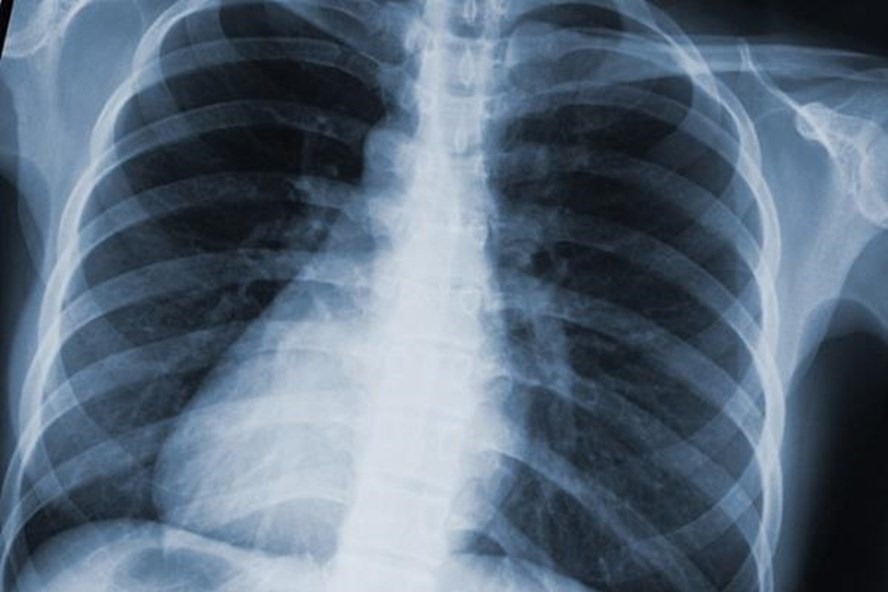
The abdominal X-ray revealed an alarming picture.
Her large intestine was significantly distended and filled with hardened, compacted stool. The accumulation extended through much of the colon, leaving minimal space for normal intestinal movement.
This was not simple constipation. It was severe fecal impaction approaching bowel obstruction.
The imaging showed:
-
Extensive stool compaction throughout the colon
-
Visible enlargement and stretching of the intestinal walls
-
Limited passage for normal digestive flow
-
Evidence that the condition had been developing for longer than she realized
The image was striking. What had felt like internal discomfort now had a clear and concerning visual explanation.
Doctors explained that the colon had been under significant pressure. If left untreated, the situation could have progressed to bowel perforation, infection, or life-threatening complications.
When Constipation Becomes Dangerous
Chronic constipation is more than an inconvenience. When persistent, it can lead to serious complications, including:
-
Hemorrhoids due to prolonged straining
-
Anal fissures
-
Fecal impaction
-
Severe abdominal distension
-
Rectal prolapse
-
Bowel obstruction
-
Increased risk of intestinal infection
In extreme cases, prolonged pressure within the colon can compromise blood supply or cause structural damage.
The key issue is duration. Occasional constipation is common. Persistent constipation lasting more than several days — especially when accompanied by pain — requires evaluation.
Treatment and Gradual Recovery
Her treatment was carefully managed to avoid further strain on the colon.
1. Medical Intervention
Doctors administered stool softeners and controlled laxatives to gradually break down the hardened mass.
2. Hydration Therapy
Intravenous fluids helped restore hydration levels. Proper hydration is essential because water helps soften stool and support normal bowel movement.
3. Dietary Reconstruction
Her long-term recovery plan included:
-
Increasing dietary fiber through vegetables, fruits, and whole grains
-
Adding fermented foods to support gut microbiota
-
Reducing processed foods and refined carbohydrates
-
Maintaining consistent daily water intake
4. Lifestyle Adjustments
She was advised to:
-
Engage in daily physical activity to stimulate intestinal motility
-
Establish a consistent bathroom routine
-
Avoid delaying bowel movements
-
Reduce chronic stress, which can disrupt digestive function
5. Ongoing Monitoring
Follow-up visits ensured her colon was returning to normal function and that recurrence would be prevented.
Recovery was gradual. The digestive system, once strained, requires time to restore balance.

Understanding Why Constipation Happens
Chronic constipation may result from multiple overlapping factors:
-
Low fiber intake
-
Insufficient hydration
-
Sedentary lifestyle
-
Psychological stress
-
Hormonal fluctuations
-
Certain medications
-
Irritable bowel syndrome (IBS)
-
Slow-transit colon
-
Neurological conditions
In many cases, it is not one single cause but a combination of habits and physiological responses.
Identifying the root cause is essential for effective, long-term treatment.
Warning Signs That Should Not Be Ignored
Medical attention is recommended if you experience:
-
No bowel movement for 3–5 days
-
Severe or persistent abdominal pain
-
Hard, painful stools
-
Significant bloating or visible distension
-
Nausea or vomiting
-
Blood in stool
-
Unexplained fatigue
These symptoms may indicate more than routine constipation.
Listening to the Body Before It Escalates
One of the most important lessons from her experience is that the body often sends warning signals long before a condition becomes critical.
Persistent bloating. Ongoing fatigue. Changes in bowel habits. Discomfort that does not improve.
These are not minor inconveniences. They are messages.
Ignoring them allowed her condition to progress silently. Acting sooner could have prevented the severity seen on the X-ray.
A Broader Perspective on Digestive Health
Digestive health is deeply connected to overall well-being. The gut influences:
-
Immune function
-
Nutrient absorption
-
Energy levels
-
Hormonal balance
-
Emotional regulation
When bowel function becomes irregular for extended periods, the effects extend beyond discomfort.
Maintaining digestive health requires consistency — balanced nutrition, hydration, movement, and stress management.
Conclusion
The X-ray image of this young woman’s severe constipation was more than a medical snapshot. It was a wake-up call.
Constipation may begin quietly, but when persistent, it can evolve into a serious and potentially dangerous condition.
Her experience reminds us:
-
Do not dismiss ongoing symptoms.
-
Seek evaluation when discomfort persists.
-
Support digestive health proactively.
-
Understand that chronic constipation is a medical issue, not merely a nuisance.
With early intervention and consistent care, even severe cases can be reversed. Awareness, attention, and timely action are the most powerful tools for protecting long-term digestive health.