Heart disease is the leading cause of death in the U.S., but research shows adding six key foods to your diet—along with adopting other healthy lifestyle choices like getting enough physical activity and quitting smoking—can help reduce your risk.
The research, published in 2023 in the European Heart Journal, suggests a diet filled with whole fruits, vegetables, legumes, nuts, fish, and whole-fat dairy products can help lower a person’s risk of cardiovascular disease, including heart attacks and strokes.1
"This study emphasizes the power of nutrition, and that low intakes of heart healthy foods are associated with poor outcomes," Martha Gulati, MD, director of preventive cardiology and associate director of the Preventive and Rehabilitative Cardiac Center in the Smidt Heart Institute at Cedars-Sinai, told Health.
The 6 Key Foods for Heart Health

Overall, researchers who worked on the study recommend eating two to three daily servings of both fruit and vegetables, two daily servings of dairy, and one daily serving of nuts.1
"The score also includes three to four weekly servings of legumes and two to three weekly servings of fish," Andrew Mente, MSc, PhD, lead researcher for the study and associate professor at McMaster University, told Health. "Possible substitutes included whole grains at one serving daily, and unprocessed red meat or poultry at one serving daily."
This study differs from other papers because researchers focused on a broad range of natural foods eaten in moderation rather than a diet limited to a small number of foods, Sheri Berger, RDN, CDCES, registered dietitian nutritionist at El Camino Hospital Cardiac & Pulmonary Wellness Center, told Health.
"[Their findings] suggest it is better to consume key quality foods such as fruits, vegetables, nuts, legumes, fish, and dairy rather than focus on limiting foods high in saturated fat such as whole fat dairy and meat," she said.
According to Berger, “the most interesting aspect of this study” is the finding that dairy—about two daily servings of whole-fat milk, yogurt, or cheese—can be included with other beneficial foods as part of a nutritious diet.
"We advise, currently, that the consumption of saturated fat—which often comes from animal products—increases the risk for cardiovascular disease and this study does not support that," she said. "We may need to re-evaluate how we advise about whole-fat [dairy] products but I still think that it is more [that] the diet was overall better."
The study also provided more evidence that increasing consumption of foods known to be cardio-protective—fish, nuts, vegetables, and legumes—does indeed protect heart health, said Gulati.
How To Eat To Prevent Heart Disease
An inclusive plant-based diet is a great choice for heart disease prevention, said Berger. This type of diet focuses on whole plant foods like fruits, vegetables, legumes, and nuts. However, dairy and quality protein from animals can be included too.
"For example, meals could feature a large portion of colorful fruits and vegetables, quality protein from fish, meat, nuts, and/or legumes, fiber rich whole grains such farro, brown rice, or quinoa, and a source of dairy a couple times per day," Berger said. "Generally, there is no one magic food or property of one food that by itself protects the heart. It is what we eat regularly that will affect heart health and overall health."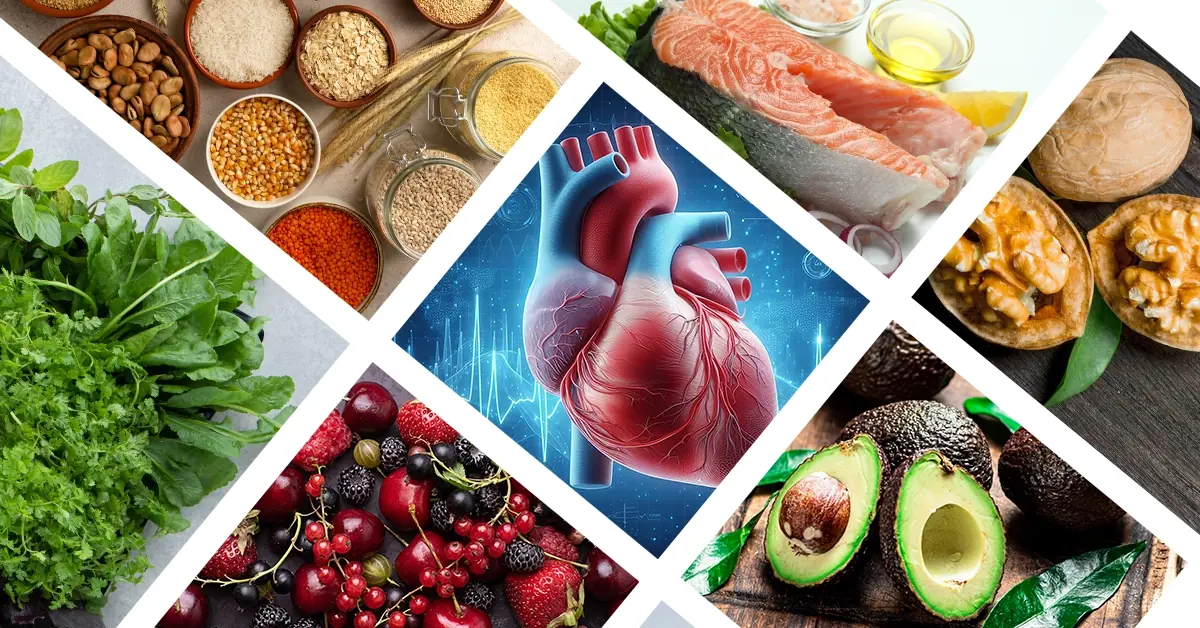
There’s no need to worry if you can’t eat nuts, fish, or any of the other recommended foods identified in the study, experts told Health. Not having them in your diet doesn’t necessarily mean you’re at greater risk for cardiovascular disease.
Nuts can also be replaced with pumpkin seeds, chia seeds, or ground flaxseed, said Gulati. Additionally, algal oil supplementation can fill in nutrient gaps for omega-3s.2
Gulati noted that a heart-healthy diet doesn't include large amounts of foods high in saturated fats and should include no trans fats, such as fried foods and packaged baked goods. She said that many processed foods tend to be a mainstay of diets worldwide because they are relatively cheap and easy to access. These foods don't make as much room for heart-healthy foods in a person's diet.
"We all need variety in our diet, and joy with the meals we eat, which is partially the food, [but also] the access to healthy food choices," Gulati said. “The important element is overall diet quality from nourishing foods."