Rats are highly adaptable animals. They are intelligent, cautious, and capable of squeezing through surprisingly small openings. Once they find access to food, water, and shelter, they may establish nests and reproduce quickly.
While severe infestations require professional pest control, many early-stage rat problems can be reduced through simple household methods combined with proper sanitation and environmental control.
It is important to understand that no single home remedy guarantees complete elimination of an entire colony. However, certain common household ingredients may help deter rats by targeting their strong sense of smell and preference for safe nesting environments.
Below are practical and humane methods to help discourage rats from settling in your home.

1. Peppermint Oil: A Natural Scent Deterrent
Rats rely heavily on their sense of smell. Strong, sharp scents can disrupt their navigation and discourage them from lingering.
How to Use:
-
Mix 10–15 drops of peppermint essential oil with water.
-
Soak cotton balls in the mixture.
-
Place them near entry points, cabinets, basements, and corners.
-
Replace every few days to maintain scent strength.
Why it works:
Peppermint contains menthol compounds that may overwhelm a rodent’s sensitive olfactory system.
Limitations:
This method works best as a deterrent, not as a solution for heavy infestations.
2. Vinegar for Scent Masking
White vinegar has a strong odor that may discourage rodents from staying in treated areas.
How to Use:
-
Mix equal parts white vinegar and water.
-
Spray along baseboards, entry cracks, and garage corners.
-
Wipe surfaces regularly to refresh the scent.
Vinegar may help mask food odors that attract rats.
Limitations:
The smell dissipates quickly, so reapplication is necessary.
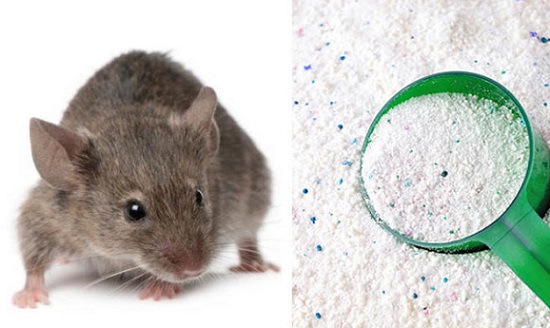
3. Baking Soda (Indirect Control)
Baking soda is sometimes mentioned as a rodent control method because it reacts with stomach acid and produces gas. However, this method is unreliable and inconsistent.
A more practical use of baking soda is for odor control. Reducing food and waste odors helps make your home less attractive to rodents.
Best approach:
Use baking soda to clean and deodorize trash bins and pantry areas.
4. Onions and Garlic
Strong natural odors from onions and garlic may deter rodents in enclosed spaces.
How to Use:
-
Place slices near suspected entry points.
-
Replace frequently before they spoil.
However, this method is short-term and requires frequent maintenance.
Important:
Spoiled onions can become a hygiene issue, so use cautiously.
5. Chili Powder or Cayenne Pepper
Capsaicin, the compound responsible for heat in chili peppers, may irritate rodents' nasal passages.
How to Use:
-
Sprinkle chili powder along cracks or gaps.
-
Mix with water to create a light spray solution.
Caution:
Avoid using in areas accessible to pets or small children.
Environmental Control: The Most Effective Strategy
While household ingredients may help deter rats, environmental management is far more important.
Key Steps:
-
Seal Entry Points
-
Close gaps larger than 1/4 inch.
-
Use steel wool and caulking for small holes.
-
-
Eliminate Food Sources
-
Store food in sealed containers.
-
Clean spills immediately.
-
Avoid leaving pet food overnight.
-
-
Remove Clutter
-
Clear basements and garages.
-
Reduce cardboard storage.
-
-
Secure Garbage
-
Use tightly sealed trash bins.
-
Remove trash regularly.
-
-
Control Outdoor Conditions
-
Trim vegetation near walls.
-
Remove woodpiles close to the home.
-
Eliminate standing water.
-
Without removing food and shelter, scent-based methods alone are rarely effective.

When to Seek Professional Help
If you notice:
-
Frequent droppings
-
Gnaw marks
-
Nesting materials
-
Persistent scratching noises
-
Rapid increase in activity
A licensed pest control professional may be necessary.
Large infestations require comprehensive strategies beyond home remedies.
A Humane Perspective
Rats are opportunistic animals seeking survival resources. Preventing access is often more effective than attempting elimination.
The goal of household methods should be deterrence and prevention — not harm.
Final Thoughts
Simple household ingredients such as peppermint oil, vinegar, chili powder, and strong natural scents may help discourage rats when used strategically. However, lasting success depends on sanitation, sealing entry points, and removing food sources.
No single ingredient will drive away an entire rat colony overnight. Sustainable prevention requires consistent environmental control.