In recent years, global migration and work permit policies have shifted significantly. While many countries actively compete to attract foreign talent and long-term residents, others have tightened entry requirements or imposed restrictions that make it harder for U.S. citizens to live and work there. In some cases, these changes stem from local labour market priorities, economic protectionism, or diplomatic tensions, and they can affect Americans even if they previously enjoyed relatively open pathways.
It’s important to note that none of these countries have universally “banned” Americans outright — in most cases, the changes mean more restrictions, harder requirements, or reciprocal visa limitations rather than an absolute prohibition on entry. However, these policies do make long-term residency and employment more difficult than before.
Below are five countries currently seeing growing barriers for Americans wishing to live or work there.
1. Japan — Stricter Residency and Work Authorization Rules
Historically, Japan has been a popular destination for expats, including Americans, students, and professionals. However, in response to evolving immigration concerns, the Japanese government has introduced stricter requirements for long-term stays and work permits.
According to recent reports, Japan is moving toward a system requiring more rigorous pre-departure authorization, expanded documentation, and closer tracking of long-stay visitors. These changes aim to address issues such as illegal overstays and improve security, but they also mean that Americans may need to satisfy more conditions to live and work there compared with previous years.
As a result, digital nomads, freelancers, and people without clear sponsorship are likely to face more obstacles securing visas, and some long-standing expats have reported unexpected renewals or denials.

2. United Arab Emirates — Tightening for Non-High-Skilled Workers
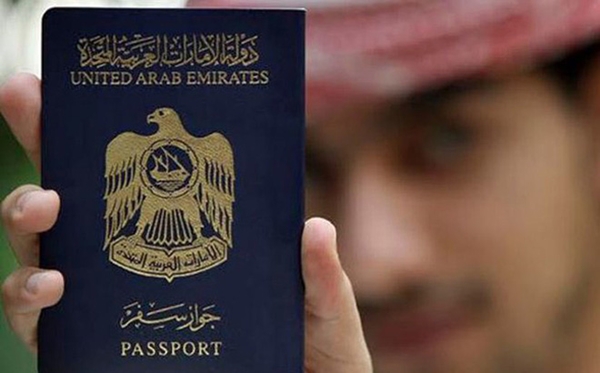
The United Arab Emirates — particularly cities like Dubai and Abu Dhabi — has long attracted Americans seeking tax-free income and international careers. However, recent shifts in immigration policy have tightened residency renewals, especially for individuals without highly skilled or high-earning jobs.
Reports indicate that U.S. citizens working in lower-wage sectors or as small business owners may find it harder to renew long-term visas unless they meet stricter qualifications related to income, professional skills, or investment. This reflects a broader trend in the Gulf region as governments fine-tune expatriate labour policies based on economic goals.
3. Canada — More Competitive and Slower Immigration Pathways
Canada has been one of the most accessible destinations for Americans seeking to live or work abroad, thanks to geographic proximity, cultural similarities, and relatively straightforward immigration routes. However, recent policy changes have reduced overall immigration targets and tightened some work permit and permanent residency streams.
While Canadians have not implemented any U.S.-specific bans, reduced quotas and greater competition for visas make it harder for Americans to secure long-term residency or employment authorization through traditional immigration pathways. This shift reflects Canada’s own efforts to balance local labour market needs, housing pressures, and service capacity.

4. Mali and Burkina Faso — Reciprocal Travel Restrictions
Some countries have instituted direct visa restrictions on U.S. citizens as part of reciprocal diplomatic responses. In late 2025, both Mali and Burkina Faso — two West African nations — announced bans on issuing visas to American nationals in response to U.S. travel restrictions affecting their citizens. Officials cited the principle of reciprocity and national sovereignty as the basis for their decisions, effectively closing conventional entry channels.
These reciprocal bans are less about local employment policy and more about diplomatic tensions. Nevertheless, they mean that Americans currently cannot obtain standard visas to live or work in these countries under typical circumstances.
5. Countries with Strict or Complex Entry Rules (e.g., Eritrea, Equatorial Guinea, Turkmenistan)
Beyond specific bilateral tensions, there are countries with historically stringent visa policies for all foreign nationals, including U.S. citizens.
Examples include:
-
Eritrea — Visa access is limited and often restricted for many Western travelers.
-
Equatorial Guinea — Requires rigorous pre-approval and can be difficult for long-term work authorization.
-
Turkmenistan — Known for complex and expensive visa requirements.
These places do not necessarily “ban” Americans outright, but the regulatory burden, opaque processes, and travel prerequisites make relocation very challenging for anyone without legal sponsorship or special permission.
Why These Changes Are Happening
Several broader trends help explain why some countries are tightening their doors:
1. Labour Market Priorities
Many countries prioritize local employment and skill shortages, leading to stricter work permit eligibility that screens out applicants without targeted qualifications.
2. National Security and Administrative Control
Visa reforms that require more documentation and pre-screening reflect efforts to tighten border management and demographic tracking.
3. Diplomatic Reciprocity
In certain cases, restrictions are direct responses to policies imposed on citizens of those countries — especially in Africa and parts of Asia — where governments cite diplomatic balance and national dignity.
4. Economic and Social Pressures
Reduced immigration quotas, tighter residency targets, and controlled foreign worker pathways often respond to housing shortages, public service capacity, or social integration goals.
What This Means for Americans Considering Relocation
If you’re thinking about moving abroad for work, retirement, or long-term residence, it’s important to:
-
Research visa requirements well before planning a move
-
Consult official government immigration pages or consulates
-
Consider alternative pathways like digital nomad visas or skilled worker programs
-
Understand that entry policies can change with little notice
Countries that were once open and inviting may adjust their policies based on economic, political, or security considerations — and U.S. citizens are not immune to those shifts.
Final Thoughts
Global migration policies are in flux. While many nations still welcome Americans as workers, students, and residents, several are tightening entry, residency, or work permit conditions. Japan and the UAE are updating requirements for long-term work authorization. Canada has become more competitive. Mali and Burkina Faso have imposed reciprocal bans. And other nations maintain difficult visa regimes.
Understanding these changes is essential for anyone planning to live and work abroad, as what was once a relatively open door can become a more challenging path.