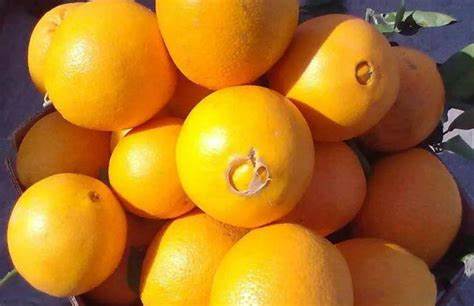
Large vs. Small Navel Oranges — Which Is Better for People Over 50?
Navel oranges are a popular fruit around the world — juicy, sweet, and packed with nutrients. For people over age 50, choosing the right foods becomes especially important to support overall health, immunity, digestion, and energy levels. But do large and small navel oranges differ in nutritional value? And if so, which one should older adults pick?
Let’s break it down.
Nutritional Value: Big vs. Small Oranges
At their core, both large and small navel oranges come from the same fruit family and offer similar health benefits. Both sizes are rich in:
-
Vitamin C
-
Fiber
-
Antioxidants
-
Natural sugars
-
Potassium
These nutrients help support the immune system, protect cells from damage, and promote healthy digestion — all especially beneficial for older adults.
However, there are subtle differences based on size:
Large Navel Oranges
-
Tend to provide more overall vitamin C and calories simply because they contain more fruit.
-
One large orange may be the equivalent of 1.5–2 small ones in nutrient content.
-
Good choice for older adults who want a bigger snack or more vitamin C per serving.
That said, eating a whole large orange may feel heavy for some, especially if eaten right before a meal.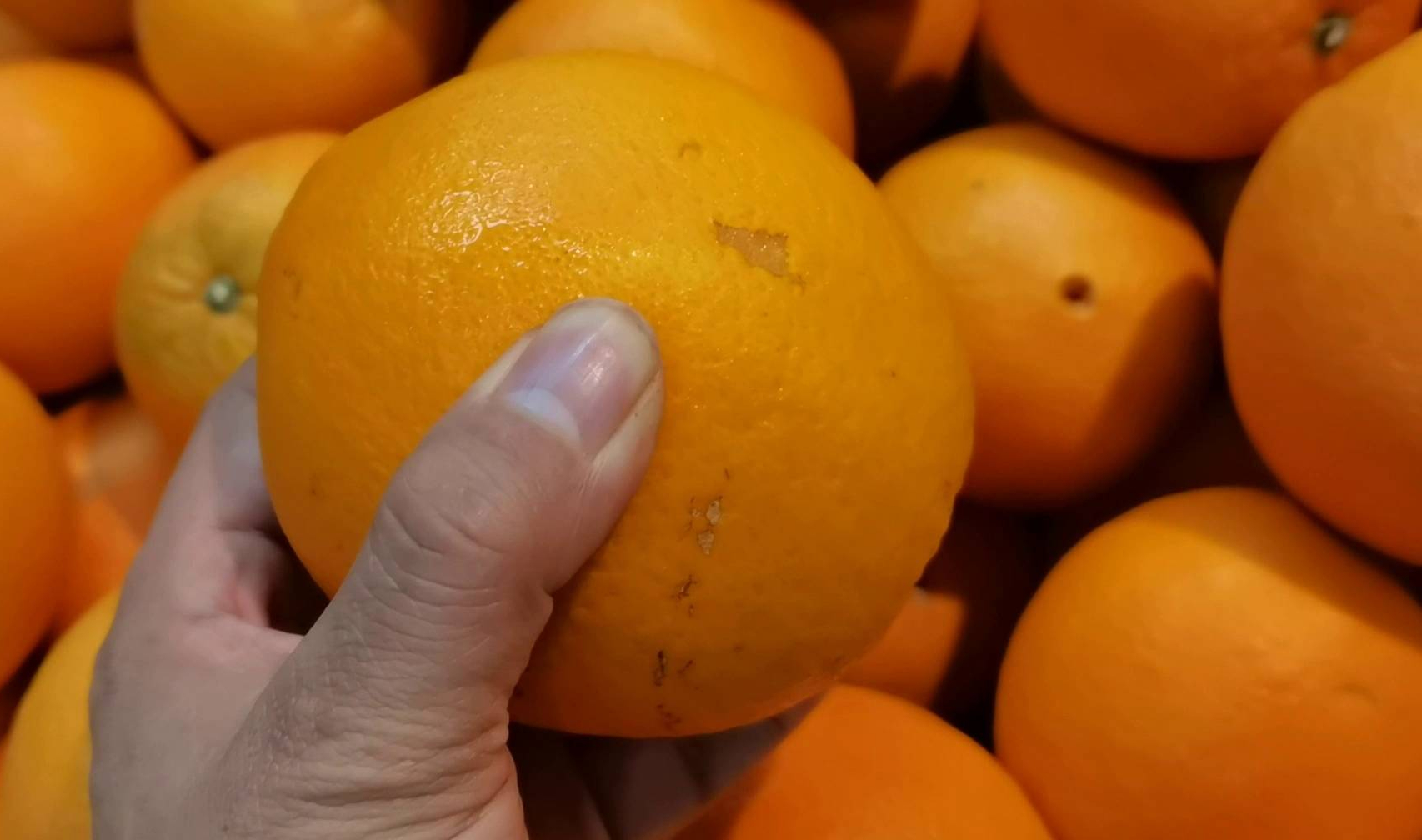
Small Navel Oranges
-
Smaller oranges are easier to eat in one sitting.
-
They may help control portion size while still providing plenty of nutrients.
-
Their sweeter taste often makes them a preferred snack for people who want something lighter.
Smaller oranges can also be more convenient for on-the-go eating or packing in a lunch.
Health Benefits Important for People Over 50
Whether large or small, navel oranges offer age-friendly benefits:
1. Supports Immune Health
Vitamin C plays a key role in immune function. Getting enough of it helps older adults better fight infections and support overall immune response.
2. Promotes Heart Health
Potassium and antioxidants can contribute to heart health by supporting healthy blood pressure and reducing oxidative stress — both important as cardiovascular risks increase with age.
3. Aids Digestion
The fiber in oranges helps promote regular bowel movements and supports gut health — something many people over 50 notice becomes more important as metabolism changes.
4. Skin Health and Anti-Aging
Vitamin C also contributes to collagen production, which helps keep skin firm and healthy — a benefit for mature skin.
Which Size Is “Better”?
There’s no strict rule that large or small oranges are inherently superior. The best choice depends on your personal needs and eating habits:
-
Choose large oranges if you want a bigger boost of nutrients in one sitting.
-
Choose small oranges if you prefer lighter snacks or want easier portion control.
Both sizes deliver excellent nutrition.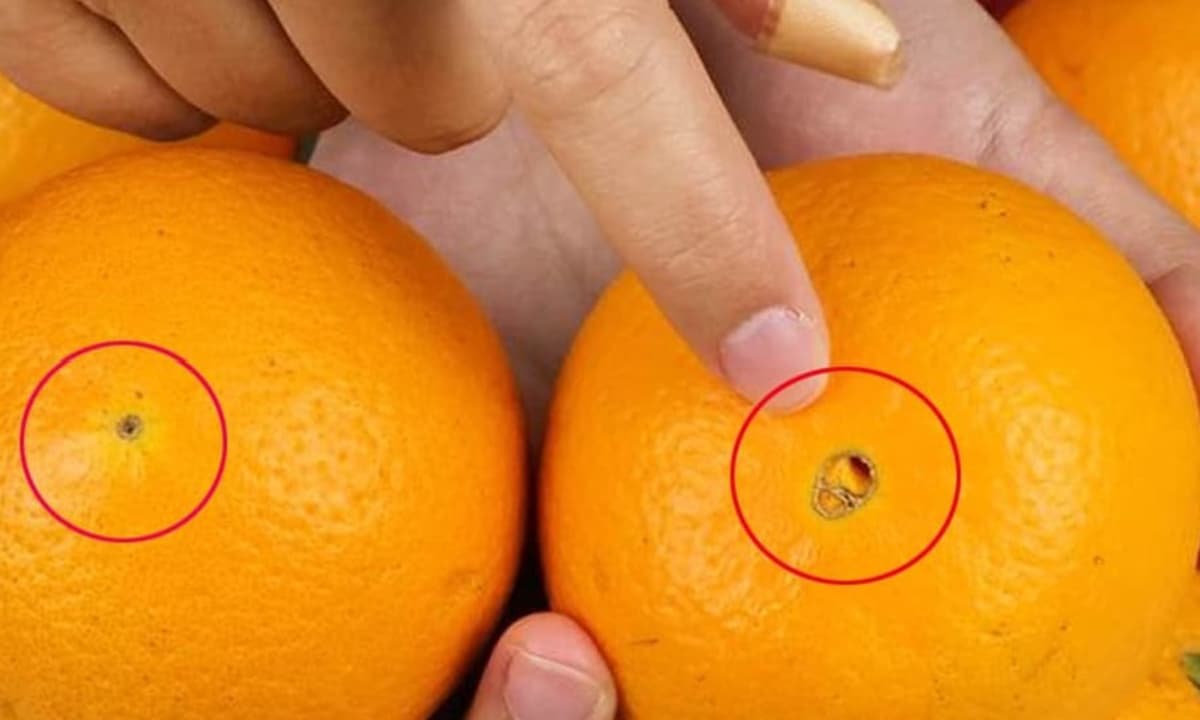
Tips for Enjoying Oranges Safely
✔ Wash the fruit thoroughly before eating.
✔ Eat oranges with other foods to avoid blood sugar spikes.
✔ Avoid drinks or sweets immediately after — this helps keep sugar levels stable.
✔ For digestion support, eat the peel or zest cooked with dishes (in moderation), as it contains beneficial compounds.
Final Thought
For adults over 50, both large and small navel oranges are a nutritious, delicious choice that fits well into a balanced diet. Instead of focusing on size alone, aim to include citrus fruits like oranges regularly to enjoy their immune-boosting and heart-supporting benefits.
At the end of the day, whether you pick a big juicy orange or several small sweet ones, you’re choosing a healthy snack that contributes to lifelong wellness.