In many households, rice is a daily staple. Before cooking it, most people rinse the grains and pour the cloudy water straight down the drain. However, what appears to be waste may actually be a valuable resource. Rice water — the starchy liquid left after rinsing or soaking rice — has been used for generations in various cultures for beauty, cleaning, and gardening purposes.
Experts say that when used correctly, rice water can become a simple yet effective multipurpose solution around the home.
A Natural Beauty Booster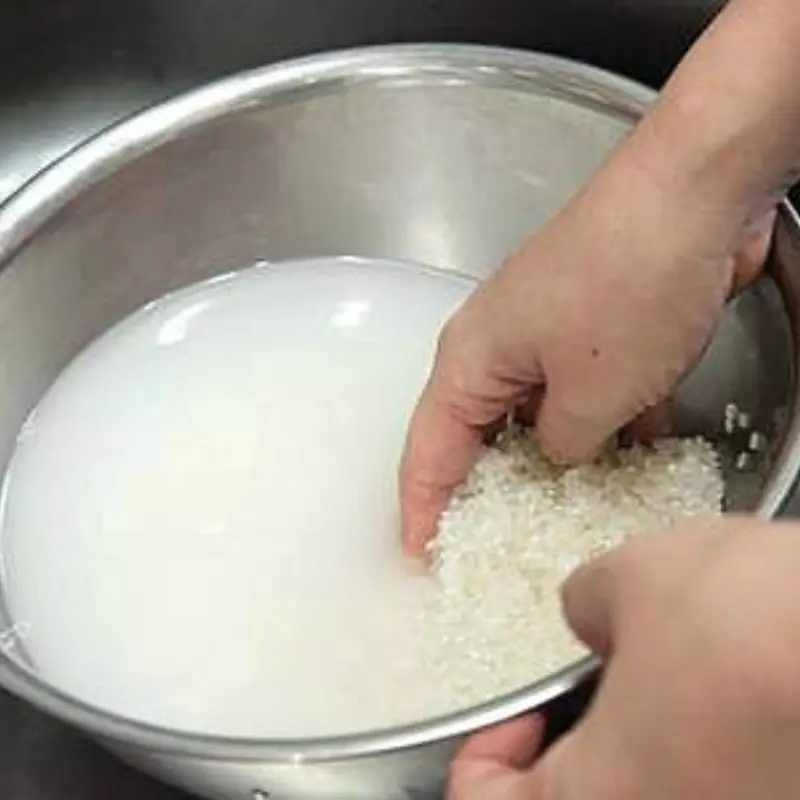
One of the most popular uses of rice water is in skincare and haircare. Rich in vitamins, minerals, and antioxidants, rice water contains compounds such as amino acids and inositol that may help support skin and hair health.
Many people use rice water as a facial rinse. It is believed to help soothe irritated skin, tighten pores, and improve overall texture. Because it is gentle and free from harsh chemicals, it can be suitable for sensitive skin when properly diluted.
In haircare, rice water has gained widespread attention for its potential to strengthen strands and enhance shine. Some users report smoother hair and reduced breakage after regular use. While scientific evidence is still developing, the popularity of rice water treatments continues to grow in beauty communities worldwide.
A Gentle Household Cleaner
Beyond personal care, rice water can also serve as a mild cleaning solution. The starch in rice water may help lift dirt and grease from certain surfaces. Some households use it to clean kitchen utensils, wipe countertops, or polish stainless steel.
Because it is a natural byproduct, rice water offers an eco-friendly alternative to chemical-based cleaners. However, experts recommend using it promptly and not storing it for extended periods unless refrigerated, as it can ferment and develop an unpleasant odor.
A Boost for Plants
Gardeners have long recognized the benefits of rice water for plants. The nutrients and starch content may provide a small energy boost to soil microorganisms, which play a vital role in plant growth. When diluted properly, rice water can be used to water indoor and outdoor plants.
It is important not to overuse it, as excessive starch buildup could potentially attract pests or create mold issues. Used occasionally and in moderation, rice water can become a helpful addition to routine plant care.
Supporting Sustainable Living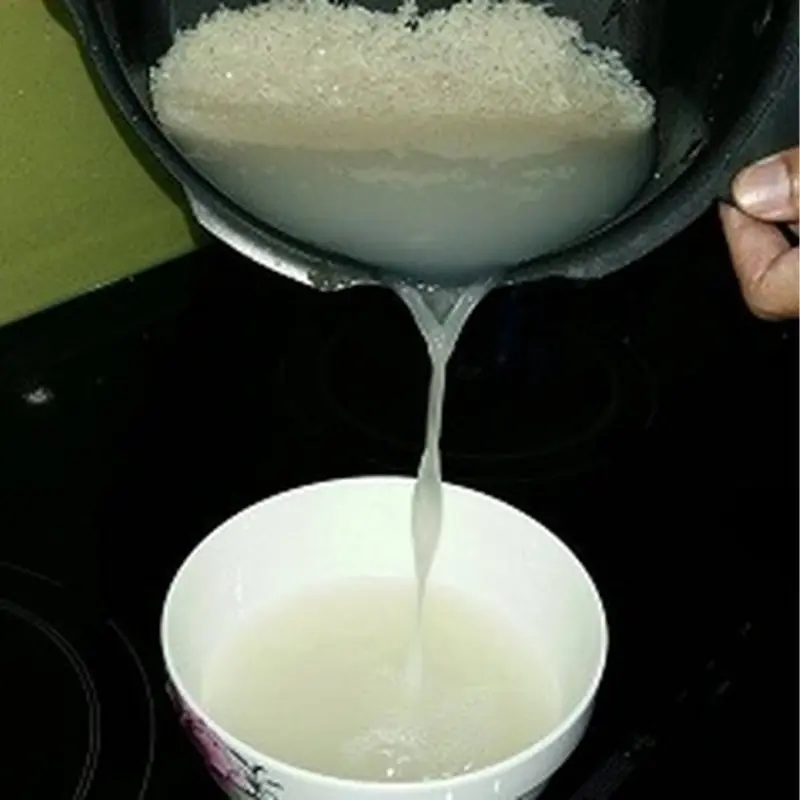
As more people look for ways to reduce waste, rice water represents a simple example of sustainable living. Instead of discarding it, repurposing rice water aligns with eco-conscious practices and promotes a “zero-waste” mindset in the kitchen.
Reusing byproducts like rice water not only reduces household waste but also minimizes reliance on commercial products. In this way, a small daily habit can contribute to broader environmental awareness.
How to Prepare and Store Rice Water Safely
Preparing rice water is simple. After rinsing rice thoroughly to remove dirt, soak it in clean water for about 15 to 30 minutes. Strain the liquid into a clean container. The water can be used immediately or stored in the refrigerator for up to a few days.
Some people prefer fermented rice water, which involves leaving it at room temperature for a day or two before refrigeration. Fermentation may increase certain beneficial compounds, but it also changes the smell and acidity. Anyone using fermented rice water for skin or hair should test a small amount first to avoid irritation.